Pêcheur Québec
Published on June 30, 20263 min read
New to fishing in Quebec? Which licence to pick by duration, resident or not, and what it actually allows.
Want to get into fishing but don't know which license to choose? Good news: it's simpler than it looks. This sub-article complements our Quebec fishing license guide and focuses on one question: which license to get as a beginner, based on how often you'll fish, your residency status, and the species you're after.
Key takeaway — For a resident beginner, the choice comes down to two options: the annual license at $26.73 if you plan to fish more than twice a year, or the 3-day license at $15.30 for a first trial outing. The standard sport license covers walleye, trout, bass and pike — but not Atlantic salmon, which needs a separate permit.
Annual or 3-day: which one for your frequency?
The beginner's first instinct is to work it out by the number of outings planned for the year.
- 3-day license ($15.30, resident): perfect to test fishing without committing. You pick three consecutive days, head out for a weekend, and see if you like it. It's also the right choice for a one-off trip with friends or family.
- Annual license ($26.73, resident): as soon as you plan two outings or more, the annual becomes the better deal. For barely $11 more than the 3-day, you fish freely from April 1 to March 31. It's the default choice for the vast majority of anglers.
The math is quick: two 3-day licenses ($30.60) already cost more than one annual license. When in doubt, get the annual — you won't regret it.
Key takeaway — Two 3-day outings cost more than one annual license. Beyond a single weekend per year, the annual is always the best value.
Resident or non-resident?
Your status sets the price, not the type of fishing allowed.
- Quebec resident: you pay the reduced rate ($26.73 annual, $15.30 for 3 days).
- Non-resident: the rate is higher ($95.68 annual, $38.36 for 3 days, $22.36 for a single day). If you're only visiting once, the 1-day or 3-day license is far cheaper than the non-resident annual.
In both cases, the allowed species and rules are identical: only the price changes.
Which species with the standard sport license?
This is often the beginner's big worry: am I allowed to catch this fish? With the standard sport license, the answer is yes for the vast majority of Quebec species:
- walleye, the star of Quebec tables;
- brook trout, ideal for starting out on a lake or stream;
- smallmouth and largemouth bass, scrappy and accessible;
- northern pike, spectacular and found almost everywhere.
The one big exception: Atlantic salmon, which requires a separate, pricier permit. As long as you're not after salmon in rivers, your standard license is plenty. Note too that there are cases where you can fish without a license (exceptions) — under 18, the Fishing Festival, certain zones — but these are special situations.
Starter gear: simple and affordable
No need to empty your wallet to begin. A versatile basic setup does the job nicely:
- a versatile 6-to-7-foot rod, medium action — it suits walleye, trout and bass alike;
- a light spinning reel, easy to handle for a beginner;
- monofilament line in 8 to 10 lb, forgiving of knot mistakes;
- a small box of hooks (size 6 to 10), split shots and a few swivels;
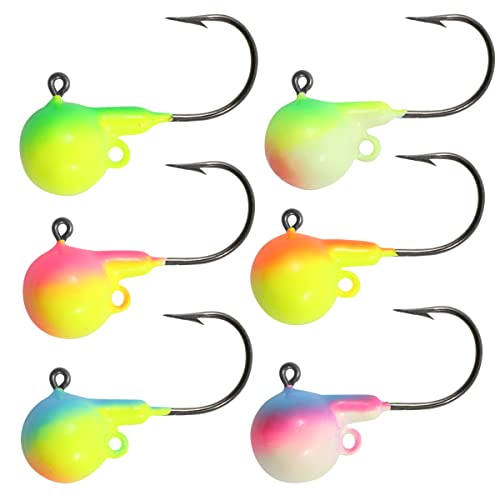
- earthworms or basic lures: a spinner, a small jig and a soft plastic are enough for your first catches.
This kit covers 90% of situations. You'll refine it later by species and water body. To find where to cast near you, open the spots map and target an accessible lake or river.
Check your zone before heading out
The last step, and no small one: rules vary from zone to zone. Catch limits, minimum sizes, open seasons — it all depends on where you fish. Before each outing, check your fishing zone and review the opening dates for your target species. A valid license never replaces reading the local rules: that's the responsible angler's reflex, from the very first outing.
?Frequently asked questions
Which fishing license should a beginner choose in Quebec?
Is the annual or 3-day license cheaper?
Does a beginner pay more as a non-resident?
Which species can I catch with the standard sport license?
Do I need a special permit for Atlantic salmon?
What starter gear does a beginner need?
How much does beginner fishing gear cost?
Should I check my fishing zone before heading out?
Can a beginner fish without a license in Quebec?
Buyer’s guides