Pêcheur Québec
Published on June 30, 20265 min read
The best walleye spots in Quebec: the known lakes and rivers by region, when to go and which lures actually produce.
Quebec is one of North America's premier destinations for walleye fishing: thousands of lakes, huge reservoirs and a vast river system give this prized fish exactly what it loves — cool water, structured bottoms and an abundance of prey. As a result, quality walleye can be found across the province, from the farmed south to the northern reservoirs. This 2026 guide covers the best walleye lakes and rivers, the best time to fish them, the lures that work and the depths to target by season.
Key takeaway — Walleye are found all over Quebec, but they shine in big, structure-rich waters: Lac Saint-Pierre, Baskatong Reservoir, Lac Saint-Jean, Lake Abitibi, Gouin Reservoir. The season usually opens on the 3rd Saturday of May. Always check your fishing zone and the opening dates before you go.
Find your spot on the interactive map
Before diving into regions, the easiest way to find water near you is our spots map. You can filter by species and target yellow walleye directly, then cross-check with local regulations. The waters listed below are well-known general references: exact details (limits, sizes, sectors) should always be confirmed on the map and in the official regulations.
The best walleye lakes in Quebec
Walleye love big, shallow, productive lakes where water warms, wind stirs the food shelf and bottoms alternate between shoals, holes and drop-offs. Here are reputable areas, described by region.
| Water | Region | Why it's good |
|---|---|---|
| Lac Saint-Pierre | Centre-du-Québec / Mauricie | River widening, huge, very rich in walleye |
| Baskatong Reservoir | Outaouais / Laurentides | The "walleye paradise," vast and structured |
| Gouin Reservoir | Mauricie / Haute-Mauricie | Sprawling wild reservoir, abundant walleye |
| Lac Saint-Jean | Saguenay–Lac-Saint-Jean | Large productive lake, walleye and landlocked salmon |
| Lake Abitibi | Abitibi-Témiscamingue | Shallow fertile lake, quality walleye |
| Lake Témiscamingue | Abitibi-Témiscamingue | Large boundary lake, deep structure |
| Lac des Deux Montagnes | Laurentides / Montérégie | Walleye accessible near Montreal |
| Lac Saint-François | Montérégie | River widening, walleye and northern pike |
| Missisquoi Bay | Montérégie (Lake Champlain) | Warm productive bay, spring walleye |
The big reservoirs (Baskatong, Gouin and other northern hydro reservoirs) deserve special mention: their countless bays, points and flooded shoals create endless ideal structure for walleye, often with less fishing pressure than in the south.
The best walleye rivers
Walleye aren't just a lake fish. Big rivers and the St. Lawrence, whose current oxygenates the water and concentrates prey, rank among the best areas in the province.
| Waterway | Region | Why it's good |
|---|---|---|
| St. Lawrence River | From Montreal to Quebec City and beyond | Immense, walleye everywhere in holes and channels |
| Ottawa River | Outaouais | Big boundary river, renowned walleye |
| Saint-Maurice River | Mauricie | Long river with reservoirs, good walleye |
| Rivière des Prairies / Mille Îles | Greater Montreal | Accessible urban walleye in current |
| Richelieu River | Montérégie | Moderate current, walleye and other species |
On a river, look for holes below rapids, confluences, current points and drop-offs near the main channel: walleye hold there to let food drift by.
Key takeaway — Lake or river, walleye always hold near structure and a depth break close to food. Find bottom changes, rocky shoals, weedbeds and holes: that's where it happens.
When to fish walleye in Quebec
Walleye season usually opens on the 3rd Saturday of May in most zones (dates vary by zone — confirm on our opening dates). Each season has its logic.
- Spring (May–June): right after spawning, walleye feed hard in warming shallow water. It's often the most productive stretch of the year, especially at dusk and after dark.
- Summer (July–August): as water warms, walleye drop to cool holes and deep breaks by day and climb onto shoals at dawn and dusk. Trolling becomes very effective.
- Fall (September–October): walleye feed up for winter and school. Big fish gather near breaks and points, often in daylight as water cools.
Walleye have a light-sensitive eye: the best windows remain dawn, dusk, night and grey or windy days that break up the surface.
Which lures for walleye
You don't need an endless box. A few classic rigs cover most situations.
| Technique | When to use | How |
|---|---|---|
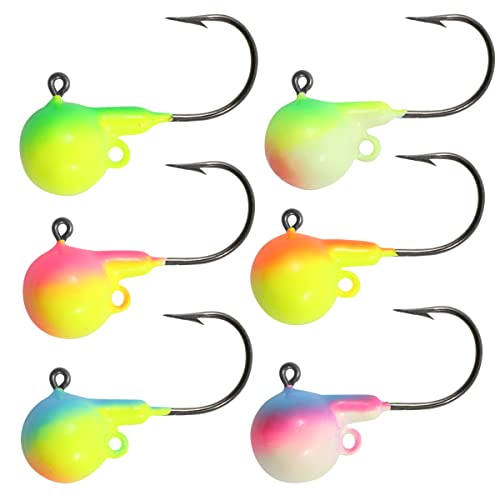
| Jig + worm or minnow | All season, precision | Vertical jigging or casting on breaks and holes |
| Worm harness (trolling) | Summer, searching | Slow troll behind a weight or controlled drift |
| Crankbaits | Summer–fall, cover water | Troll or cast along breaks and shoals |
| Drifting bottom rig (lindy / drop-shot) | Fish glued to bottom | Slow drift along structure |
The jig tipped with a worm or minnow remains the number-one go-to for Quebec walleye: slow, precise, deadly on breaks. A worm harness trolled slowly excels at covering big flats in summer, while crankbaits let you search fast and find active fish. When walleye are sluggish and pinned to the bottom, a gently presented drifting bottom rig often makes the difference.
What depth to target by season
Depth is the key variable for walleye. Broadly:
| Season | Typical depth | Where to look |
|---|---|---|
| Spring | 1–4 m (3–12 ft) | Warm shoals, river mouths, bays |
| Summer | 5–10 m (15–30 ft)+ | Holes, deep breaks, by day |
| Fall | 4–8 m (12–25 ft) | Breaks and points, walleye schools |
These numbers are starting points: every water has its own depth map. A sonar helps enormously to find the right break. Remember walleye follow their food: find the prey and the right depth, and you find the walleye.
Ready to fish walleye?
Make sure you have a valid fishing license, check the regulations and opening dates for your zone, then open the spots map to find your next walleye lake or river. To learn everything about the species, see the yellow walleye profile.
Going further
This guide is part of our complete Quebec fishing guide. Dig deeper into walleye fishing:
?Frequently asked questions
What are the best walleye lakes in Quebec?
What are the best walleye rivers in Quebec?
When does walleye fishing open in Quebec?
What is the best time of day to fish walleye?
What is the best season for walleye?
Which lure is most effective for walleye?
What depth to fish walleye?
Do you need a license to fish walleye in Quebec?
Is walleye better in lakes or rivers?
How do I find a walleye spot near me?
Does a worm harness really work for walleye?
Are reservoirs good for walleye?
What is the catch limit for walleye?
Do walleye bite at night?
Do you need a sonar to fish walleye?
Buyer’s guides