Chargement...
Complete guide
Goldfish
Overview
The goldfish, better known as the goldfish, is a well-known species among aquarists and amateur anglers in Quebec. Although it is often perceived as a simple aquarium fish, it has established itself in some freshwater bodies, mainly due to accidental or intentional releases. This fish is not particularly valued for sport fishing, as it is generally not very combative. However, it can represent an interesting challenge for young anglers or for those looking to diversify their practice. The goldfish is mainly found in the southern regions of Quebec, where it adapts well to calm, vegetation-rich waters.
Angler indices
Identification
Identification
The goldfish has a robust, oval body, often rounder than that of its wild counterparts. Its color ranges from bright gold to orange, although some individuals may display duller shades or even spotted patterns. The mouth is small, without barbels, and the fins are generally long and tapered, especially in ornamental varieties. The tail is usually forked but may be fan-shaped in some domestic varieties. The scales are large and easily visible. Young goldfish are often duller, becoming more colorful with age. During the breeding season, males often develop small white growths called breeding tubercles on their heads and pectoral fins.
How to tell it apart
The goldfish can be confused with the common carp.
| Criterion | Goldfish | Common Carp |
|---|---|---|
| Size | 15 to 30 cm | 40 to 100 cm |
| Barbels | Absent | Present |
| Color | Gold to orange | Brown to olive green |
Distribution in Quebec
Distribution in Quebec
In Quebec, the goldfish is primarily found in the southern regions, including Montérégie, Estrie, and the Montreal area. It prefers calm waters of ponds, small lakes, and slow-moving rivers. Its abundance is generally low to moderate, and it is often found in bodies of water where it has been introduced by humans. The species is not native to Quebec, and its introduction can cause ecological imbalances if not controlled.
Habitat
Habitat
The goldfish prefers calm, shallow waters rich in aquatic vegetation. It is often found in ponds, marshes, and small rivers where the current is weak. It adapts well to slightly eutrophicated waters and can tolerate a wide range of temperatures, although it prefers waters between 18 and 24 °C. It is often observed near the surface or in the mid-water layers, where it forages among aquatic plants.
Life cycle
Life cycle
Goldfish spawning occurs in spring when the water temperature reaches around 18 °C. Females lay thousands of adhesive eggs on aquatic plants, which hatch after a few days. The fry grow quickly, reaching sexual maturity in 2 to 3 years. The lifespan of goldfish is generally 5 to 10 years in the wild, although some individuals may live longer in captivity. Spring → Spawning and hatching of eggs → Summer → Rapid growth of young → Fall → Preparation for winter → Winter → Reduced activity, survival in sediments.
Behaviour
Behaviour
The goldfish is a social fish, often observed in small groups, especially during the breeding season. It is not territorial and tolerates the presence of other fish species well. Its reactions to noise and weather changes are generally moderate, although it may become more cautious in the event of sudden disturbances. It is more active in clear, warm weather and tends to take refuge in deeper, vegetated areas on cloudy or windy days.
Diet
Diet
The diet of the goldfish is omnivorous. Young fry primarily feed on zooplankton and microscopic algae. As they grow, their diet expands to include small invertebrates, insect larvae, plant debris, and algae. Adults continue to consume a variety of foods but show a preference for plant materials. Their diet varies little with the seasons, although they may reduce their feeding activity in winter.
Seasons & best times
Seasons & best times
In spring, the goldfish is more active due to the spawning period. The best times to fish for them are generally in the morning and late afternoon when temperatures are milder. In summer, they are often more active early in the morning and in the early evening, trying to avoid the heat of the day. In autumn, their activity decreases as temperatures drop, but they continue to actively feed in preparation for winter. In winter, the goldfish becomes lethargic and takes refuge in deeper areas, making it difficult to catch them. They are generally more sensitive to atmospheric pressure changes, preferring calm, stable days.
Fishing techniques
Fishing techniques
Float fishing
This technique is ideal for targeting goldfish in shallow waters. Use a small float and natural bait, such as worms or pieces of corn. Be patient and adjust the depth of your bait to place it just above the bottom.
Fly fishing
Although unconventional, fly fishing can be effective for goldfish. Use small nymphs or insect imitations. The animation should be slow and subtle to mimic the natural movement of aquatic prey.
Pole fishing
A simple and effective technique for targeting goldfish. Use a pole fishing rod with natural bait. Position yourself in an area with plenty of aquatic vegetation, where goldfish like to feed.
Feeder fishing
This technique uses a feeder filled with a bait mix to attract goldfish. Ideal for bodies of water where fish feed near the bottom. Adjust your setup to release the bait slowly and attract the fish.
Lures & colours
Recommended lures & flies
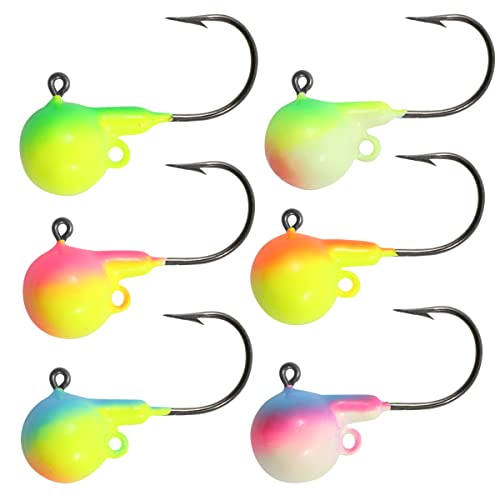
For goldfish, natural baits are often more effective than artificial lures. However, if you opt for lures, choose bright colors like yellow or orange, which mimic their natural food. In clear water, more natural-colored lures may also work. In murky water, opt for fluorescent colors to attract fish attention.
Recommended gear
Recommended gear
To fish for goldfish, a lightweight rod with moderate action is ideal. A length of 5 to 7 feet is sufficient. Use a lightweight reel with a 4 to 6 lb line for better sensitivity. Hooks sized 10 to 14 are generally sufficient to catch these fish. A fluorocarbon leader can be useful for more discretion in the water.
Handling & release
Handling & release
The goldfish is a robust fish, but it is important to handle it carefully to avoid stressing the animal. Use a net to lift it out of the water and handle it with wet hands to protect its mucus. If you wish to release it back into the water, do so quickly and ensure it is well-oxygenated before releasing it.
Predators
Predators
In Quebec, the natural predators of the goldfish include herons, cormorants, and certain species of carnivorous fish like pike. Young goldfish are particularly vulnerable to aquatic birds and larger fish.
Conservation & status
Conservation & status
The goldfish is not a native species of Quebec, and its presence is mainly due to human introductions. It is not considered a threatened species, but it can have negative impacts on local ecosystems. It is important not to release it into the wild to avoid spreading and causing ecological imbalances.
Surprising facts
Surprising facts
- ›The goldfish is one of the first species of fish to be domesticated.
- ›Goldfish can change color depending on their environment and diet.
- ›They can survive in waters with low oxygen levels.
- ›Their adaptability allows them to live in a wide variety of climatic conditions.
- ›Goldfish can recognize their owner and react to their presence.
- ›They have a short-term memory that can last several months.
- ›The goldfish can live over 20 years in captivity.
- ›They have been introduced to many countries around the world, often by accident.
- ›In China, they have been bred for over 1,000 years.
- ›Goldfish can learn behaviors through observation.
- ›They are often used in scientific research due to their hardiness.
- ›Goldfish can survive temperatures close to 0 °C for extended periods.
Frequently asked questions
Frequently asked questions
Is the goldfish native to Quebec?+
Can goldfish be fished year-round?+
What is the best season to fish for goldfish?+
Is the goldfish edible?+
How to distinguish a goldfish from a common carp?+
Can goldfish survive in winter?+
Is the goldfish a threat to local ecosystems?+
What is the maximum size a goldfish can reach?+
Can lures be used to fish for goldfish?+
Can goldfish be kept in an aquarium?+
Is the goldfish aggressive towards other fish?+
Why does the goldfish change color?+
Is it legal to release goldfish into the wild?+
What is the lifespan of a goldfish in captivity?+
Do goldfish have natural predators in Quebec?+
Buyer’s guides
The gear we recommend


Member catches
No catches yet for this species. Be the first!
Have you caught goldfish?
Share your photo with fellow anglers — show off your catch!
Be the first to share your catch of this species.
A photo, your first name and the spot are enough — no account needed.
Our picks
Gear for Goldfish

Piscifun Tackle Backpack
Discover an exceptional fishing tackle backpack designed to meet the needs of fishing enthusiasts. This multifunction…
74.99 $

UCEC 150pcs Circle Hooks
Discover the UCEC fishing hook set, perfect for freshwater and saltwater fishing enthusiasts. These high carbon steel…
16.98 $

Catfish Casting Rod 8'
If you are passionate about catfishing, this 8-foot rod is the perfect tool to enhance your fishing sessions. Designe…
52 $