
Pêcheur Québec
Published on June 30, 20263 min read
Smallmouth bass fishing in Quebec: its rocky habitat, finesse presentations and the times of day that actually matter.
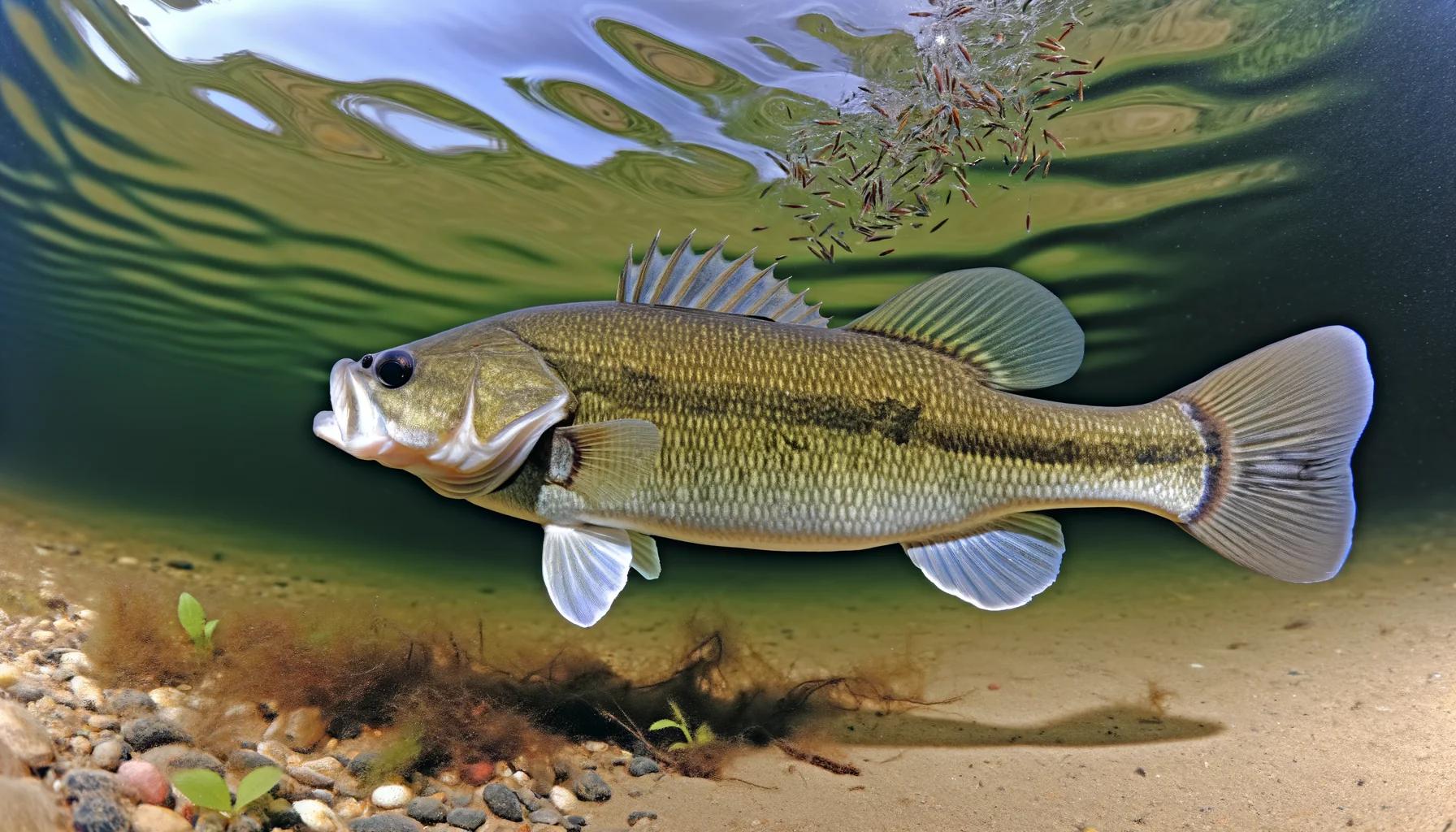
The smallmouth bass is arguably the hardest-fighting fish in Quebec's waters: fast, powerful and spectacular when it leaps out of the water. To fool it, you must understand where it lives and present your lures with finesse. This guide shows you how to catch it effectively, from reading rocky bottoms to the fight. For an overview of the species and its cousins, start with our guide to bass fishing in Quebec.
Key takeaway — Smallmouth bass love rocky bottoms, shoals and points in clear water. Present finesse lures (drop shot, ned rig, tube, jig) slowly near the bottom, set the hook firmly and be ready for spectacular jumps. Release it quickly to protect the resource.
Where to find smallmouth bass
Unlike its largemouth cousin that favours weed beds and warm water, the smallmouth bass seeks hard, rocky structure. Focus your search on:
- rocky bottoms and boulder fields, where it hunts crayfish;
- shoals and flats between 2 and 6 metres, especially when wind-swept;
- rocky points that drop into deep water;
- ledges, rockslides and slopes of large cobble;
- clear, well-oxygenated areas, often offshore rather than in muddy bays.
The smallmouth is a structure fish: locate depth breaks (drop-offs) and transitions between sand and rock. That's where it sits to ambush prey. A good sonar (fish finder) makes all the difference in locating these bottoms. To learn everything about the biology and habitat of the species, see the smallmouth bass profile.
Finesse presentation: the key to success
Smallmouth bass are wary, especially in clear water where they see very well. Finesse fishing with light gear (medium-light rod, thin braid and a fluorocarbon leader) is often the most productive. Here are the essential rigs:
- The drop shot: a small soft plastic tied above a weight, presented just off the bottom. Deadly for fish holding on breaks and shoals.
- The ned rig: a stubby piece of soft plastic on a light jig head. Its slow fall and upright stance on the bottom trigger bites even in tough conditions.
- The tube: a perfect crayfish imitation that skips across rocky bottoms. A timeless smallmouth classic.
- The jig: a rock jig or football jig, dragged slowly, works the boulders where crayfish hide.
The watchword is slow. Let your lure work near the bottom, impart small twitches and watch your line: the bite is often subtle, a simple "tick" or unusual tension. To compare all the rigs and choose by conditions, read the best lures for smallmouth bass.
The best times to catch them
Timing matters as much as the spot. The best windows:
- The spawn (early season): after the opener, males guard nests on the shoals. They're aggressive but fragile — practise careful catch-and-release.
- Summer: in hot weather, smallmouth hold deeper during the day and move up onto shoals at dawn and dusk to feed.
- Windy days: wind churning a shoal creates activity and makes fish less wary — a bonus.
- Fall: before winter, smallmouth feed heavily and follow baitfish schools. Trophy catches are common.
Generally, dawn and dusk remain the most reliable periods, when the light is soft and fish move up to feed.
Setting the hook and the fight
This is where the smallmouth earns its reputation. The moment you feel the bite, set the hook firmly to drive it into its hard mouth. Then hang on: this fish delivers an outsized fight for its size.
Expect spectacular jumps out of the water — the smallmouth "candles" to try to throw the lure. Keep your rod tipped and constant tension on the line: too much slack and it frees itself on the jump, too much stiffness and you risk tearing its mouth. A well-set drag absorbs its runs. Tire it gradually before bringing it to the net.
Catch and release
The smallmouth bass is a precious resource and catch-and-release is strongly encouraged, especially during the spawn. To maximise its chances of survival:
- handle it with wet hands and minimal time out of the water;
- use a barbless hook (or crimped barb) for quick release;
- support the fish horizontally and let it swim off on its own;
- avoid holding it out long in very hot weather, when water oxygen is lower.
Always respect the size and catch limits of your zone, as well as the opening dates. Before you go, make sure you have a valid fishing license. And to master every aspect of fishing in Quebec, dive into our complete guide.
?Frequently asked questions
Where can you fish for smallmouth bass in Quebec?
What is the best technique for smallmouth bass?
Which lure should I choose for smallmouth?
What is the best time to catch smallmouth bass?
What is the difference between smallmouth and largemouth bass?
How do you set the hook on a smallmouth bass?
Why does the smallmouth bass jump out of the water?
Should you release smallmouth bass?
What gear should I use for smallmouth bass?
Buyer’s guides