Pêcheur Québec
Published on June 30, 20263 min read
Which species to fish through the ice in Quebec: perch, walleye, northern pike, lake trout and brook trout, and where to find them.
Ice fishing unlocks a whole season the open-water months ignore: on the ice, some species become even more accessible than in summer. Before picking your target, understand what truly changes between the two seasons with our winter vs summer fishing guide. Here are the fish species to catch in winter in Quebec and how to approach them.
Key takeaway — The undisputed queen of ice fishing is the yellow perch. Walleye and northern pike are reliable classics, rainbow smelt offers famed night fishing, and lake trout rewards those who fish deep. Always check the season and your zone's rules: several waters close to certain species in winter.
Yellow perch, queen of ice fishing
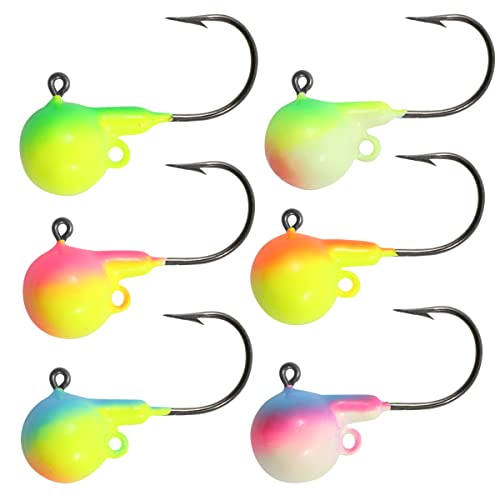
The yellow perch is Quebec's number-one winter species: abundant, schooling and biting even in deep cold. Find them in schools over 3 to 8 m bottoms, near dead weed beds and drop-offs. A small weighted jig tipped with a maggot or worm, worked in short sharp lifts, triggers the bites. When a school arrives, the action is frantic: keep your line active and lift a metre if bites stop, since the school often rises in the water column.
Walleye, the reliable twilight target
Walleye bite mostly at dawn and dusk, when low light activates them. Look for them on 4 to 9 m flats and drop-offs plunging toward the holes. A tip-up baited with a live minnow stays deadly, backed up by a bright or glow jigging spoon. Check the species sheet among the species profiles for current sizes and limits.
Northern pike, power under the ice
The northern pike hunts all day in winter. Set your tip-ups over 2 to 5 m weed beds and shallow bays, with a big minnow or dead bait on a steel leader (pike cut ordinary line). Bites are firm: let it take before setting the hook.
Lake trout, the deep-water reward
The lake trout (grey trout) lives in large cold, deep lakes. In winter it is fished between 15 and 30 m, often on a sonar, with a heavy spoon or a white jig worked energetically near the bottom. A technical but spectacular fishery.
Brook trout, the small-lake classic
The brook trout (speckled trout) is caught on small lakes of 2 to 6 m, often stocked and open in winter in several zones. A small hook baited with a worm or larva, under a light tip-up, works wonders. Check openings: many trout lakes stay closed in winter.
Rainbow smelt, the famed night fishing
The rainbow smelt offers one of the friendliest winter fisheries, often at night, on tidal rivers like the Sainte-Anne at Sainte-Anne-de-la-Pérade. You fish with a smelt rig (several small hooks baited with shrimp or liver) inside a heated hut. Catches sometimes number in the dozens.
Burbot, the bottom surprise
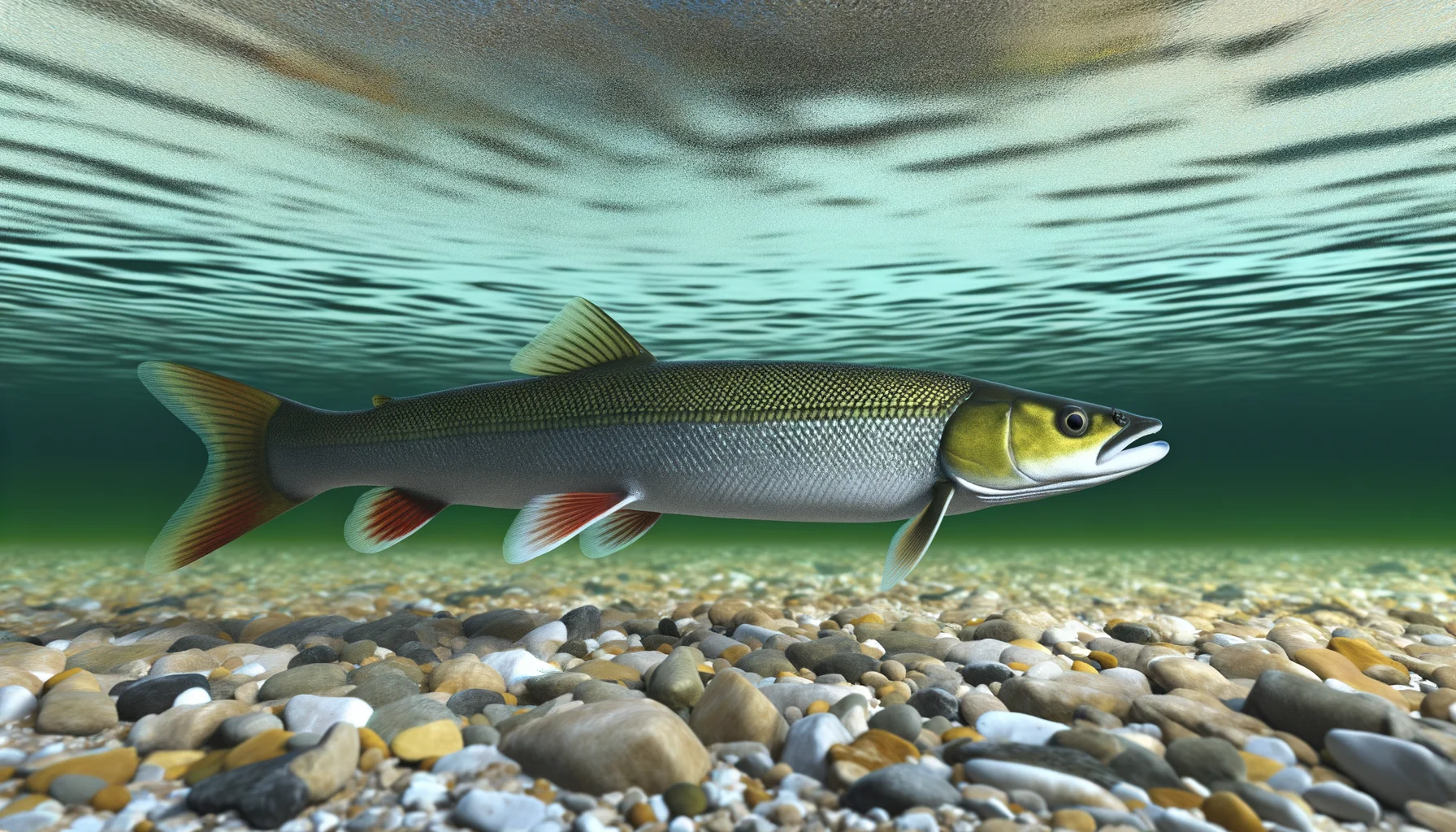
The burbot (the only freshwater cod) bites at night, over muddy bottoms of 5 to 20 m. Little known, it is caught on a dead minnow resting on the bottom and offers excellent flesh. A fine target to vary the fun.
Winter species summary table
| Species | Where / depth | Rig |
|---|---|---|
| Yellow perch | Weed beds, 3-8 m | Jig + maggot |
| Walleye | Flats/drop-offs, 4-9 m | Tip-up + minnow, spoon |
| Northern pike | Weed beds/bays, 2-5 m | Tip-up + big minnow, steel leader |
| Lake trout | Large lakes, 15-30 m | Heavy spoon / white jig |
| Brook trout | Small lakes, 2-6 m | Light tip-up + worm/larva |
| Rainbow smelt | Tidal rivers, shallow | Smelt rig (shrimp) |
| Burbot | Muddy bottoms, 5-20 m | Dead minnow on bottom (night) |
New to the ice? Start with our guide to ice fishing for beginners, covering gear, safety and first rigs.
Key takeaway — Each species has its depth and rig: perch and walleye near drop-offs, pike in the weeds, lake trout deep in big lakes, smelt and burbot at night. Adapt and move if nothing bites.
Before you go: license and rules
Ice fishing requires a valid fishing license, exactly like open water. Catch limits, sizes and seasons vary by zone and species — some are closed in winter. Always check your zone's regulations before drilling. To put it all in perspective, see our complete guide to fishing in Quebec.
?Frequently asked questions
Which species should you target first in winter in Quebec?
Can you catch walleye through the ice?
How do you catch northern pike in winter?
Where do you find lake trout in winter?
Can brook trout be caught on the ice?
Why is smelt fished at night?
What is burbot and how do you catch it?
Do you need a license for ice fishing?
Are all species open in winter?
Buyer’s guides