
Ice auger: buyer’s guide for Quebec
— Buyer’s guide 2026
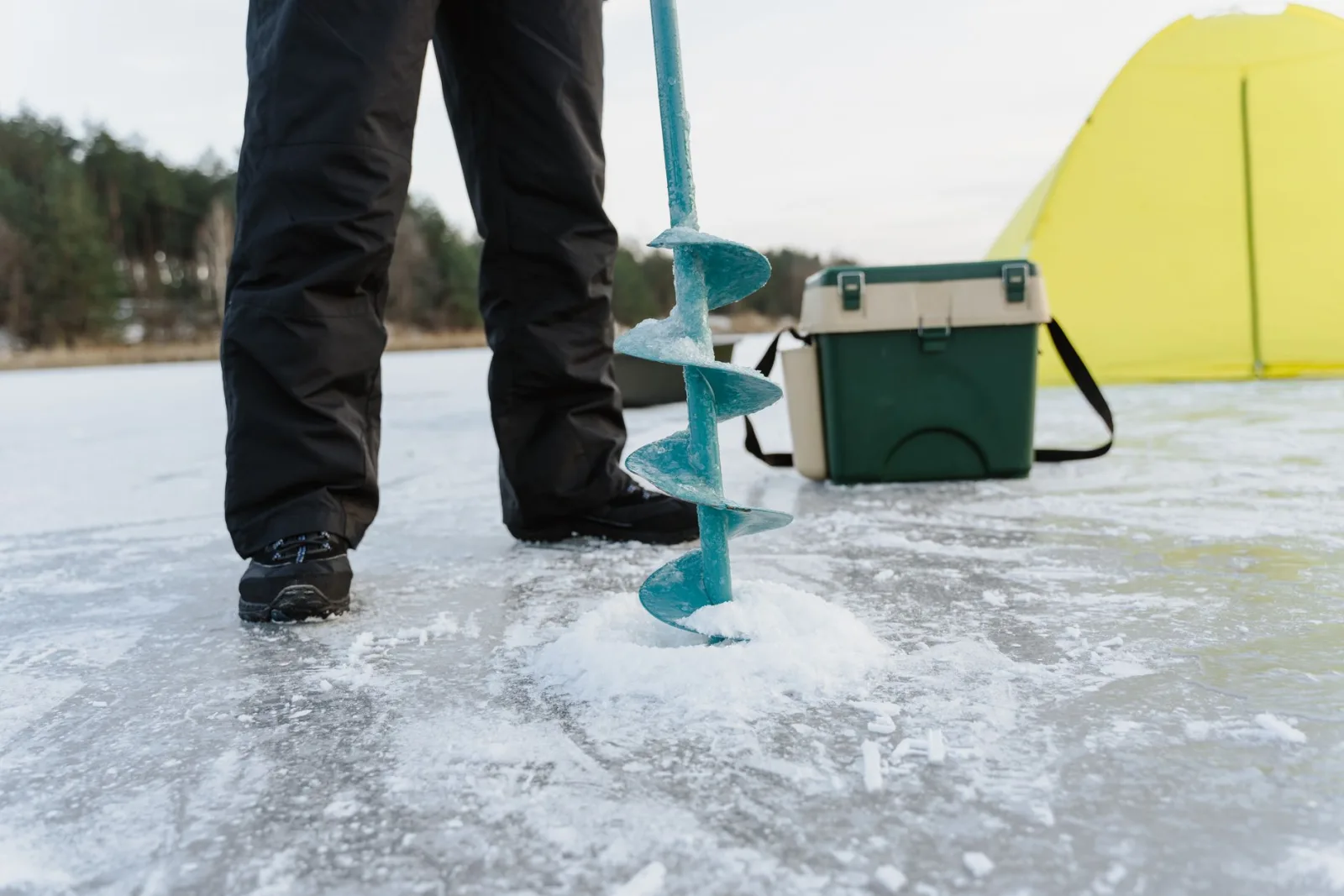
On the ice, drilling fast without wearing yourself out changes the whole day. Manual, gas or electric: here’s how to pick the right auger for your ice thickness and mobility.
Disclosure: this page contains Amazon affiliate links. If you buy through them, we may earn a small commission — at no extra cost to you. It helps cover our operating and development costs and keep improving the platform.
How to choose your auger
Manual: light, quiet and maintenance-free, perfect early season on thin ice (up to ~12 in). Takes elbow grease as the ice thickens.
Gas: the most powerful for fast drilling through thick late-winter ice, but heavy, loud and demanding fuel and upkeep.
Electric / battery (lithium): the best all-round choice today — instant start, quiet, no fumes, and enough torque to cut dozens of holes per charge.
Blade diameter (6 to 10 in): a 6 in drills fast and is plenty for perch and trout; an 8 in is versatile; a 10 in lets a big walleye or pike through but takes more effort.
Blade type: straight blades cut fast but dull on dirty ice; keep a blade guard and a sharp spare on hand.
Weight and transport: on a lake where you move a lot, weight matters. A compact electric drags easily from hole to hole.
Torque in the cold: a good electric keeps its torque below -20 °C; tuck the battery somewhere warm between holes to preserve runtime.
Safety: keep the ice clear, check thickness before venturing out, and store the blade guarded after use.
Popular brands
StrikeMaster
North-American benchmark for ice augers, with a range spanning tough gas models and modern lithium electrics. Known for reliable cutting and a wide choice of replacement blades. Downside: top-tier models cost more and carry some weight. For whom: the regular angler who wants a safe bet, from backup to main auger.
View on Amazon ↗ION
One of the pioneers of the lithium electric auger: instant start, quiet running and zero fumes on the ice. The focus is on simplicity and relative lightness rather than raw power. Downside: less torque than a big gas unit in very thick ice. For whom: the mobile angler who values comfort and no maintenance.
View on Amazon ↗Eskimo
Accessible brand offering gas and electric models at contained prices. A solid entry point to equip a whole family without breaking the budget. Downside: finish and durability trail higher-end lines. For whom: the occasional angler or beginner drilling a few holes per outing.
View on Amazon ↗Nils
Renowned for its cutting blades and light hand augers that bite fast into the ice. A reference for anyone who likes drilling by hand, with no motor or fuel. Downside: the physical effort climbs as soon as the ice thickens. For whom: the early-season purist and fans of lightweight gear on thin ice.
View on Amazon ↗Replacement blades
The most overlooked yet decisive consumable: a sharp blade cuts effort and drilling time in half. Always keep a blade guard and a spare set matched to your model. Downside: blades are brand-specific, so check compatibility before buying. For whom: everyone — the accessory that saves an outing.
View on Amazon ↗Which auger for your use?
Early season / thin ice
View on Amazon ↗A 6 in manual, light and quiet, perfect when the ice is still thin.
All-round (perch, trout, walleye)
View on Amazon ↗An 8 in lithium electric: instant start and enough torque for the day.
Thick late-winter ice
View on Amazon ↗A powerful gas or electric in 8–10 in to drill fast through 2 ft of ice.
Mobile angler (run-and-gun)
View on Amazon ↗A compact, light electric that drags easily from hole to hole.
Maintenance & spares
View on Amazon ↗Sharp spare blade, blade guard and backup battery so you’re never stuck.
Buyer’s guides


