
Fishing rods: buyer’s guide for Quebec
— Buyer’s guide 2026
The rod is an extension of your arm: it transmits bites, absorbs the fight and gives your cast its accuracy. Here’s how to pick the right one for the fish and the technique.
Disclosure: this page contains Amazon affiliate links. If you buy through them, we may earn a small commission — at no extra cost to you. It helps cover our operating and development costs and keep improving the platform.
How to choose a rod
Action (extra-fast → slow): where the rod bends. Fast action reacts at the tip for sharp hooksets; slow action bends along its whole length and is more forgiving.
Power (ultra-light → heavy): the rod’s backbone. Ultra-light for trout and small lures, heavy for pike and big muskie.
Length: a short rod (6 ft) casts accurately on small streams; a longer one (7–9 ft) casts farther and keeps control from a dock or boat.
Material: graphite/carbon is light and sensitive (great for feeling bites); fiberglass is softer and tougher; composite blends both.
Spinning vs casting (baitcaster): spinning is easy and versatile to start; a baitcaster gives more power and accuracy for heavy lures once mastered.
Multi-piece rods: 2, 4 or 6 pieces pack into a backpack — perfect for hiking, travel or kayak.
Cork or EVA grip: cork is light, warm and sensitive; EVA (foam) is more durable and handles water and grime better.
Match the rod to the fish and technique: there’s no single rod — pick it for the target species and how you fish.
Popular brands
Ugly Stik
The rod with a reputation for being nearly unbreakable. Its fiberglass/graphite composite build shrugs off knocks, car doors and rough handling, all at a friendly price. Downside: heavier and less sensitive than pure graphite, so you feel subtle bites less. For whom: a first rod, a kid’s rod or a do-everything stick you won’t worry about abusing.
View on Amazon ↗Shimano
One of the broadest names on the market, with a spinning lineup that runs from entry-level to light, sensitive rods. Downside: the name spans so many tiers that you need to target the right model, not just the brand. For whom: from the beginner who wants something reliable to the angler ready to move up without switching brands.
View on Amazon ↗St. Croix
A brand tied to high-end graphite, with series assembled in the USA and a reputation built on sensitivity and finish. Downside: a pricier position, especially on the premium series. For whom: the angler who prioritizes in-hand sensitivity and a rod they’ll keep for years.
View on Amazon ↗Okuma
Good value across a wide range, including trolling rods and multi-piece travel models. Downside: a less prestigious image than the big names and finish that varies by series. For whom: those who want versatility or a specific use (trolling, travel) without paying for the name.
View on Amazon ↗Fenwick
A historic name, especially loved for fly rods and precision builds. Downside: a narrower mainstream spinning and casting offering than the industry giants. For whom: the fly enthusiast and anyone after a refined rod with brand heritage.
View on Amazon ↗Daiwa
Spinning and casting rods known for their balance, with a range from entry-level to technical models. Downside: like the other big brands, you need to pick the right series for your budget. For whom: from beginner to expert wanting a well-balanced rod, notably in baitcasting.
View on Amazon ↗Which rod for your use?
Trout / light casting
View on Amazon ↗An ultra-light 6–7 ft rod, fast action, for small lures and finesse.
Walleye / all-round
View on Amazon ↗A medium spinning, fast action: perfect for jigging, worms and light casting.
Bass / baitcaster
View on Amazon ↗A medium-heavy casting rod for heavy lures, jigs and frogs with accuracy.
Pike / powerful
View on Amazon ↗A sturdy medium-heavy to heavy for big lures and hard fights.
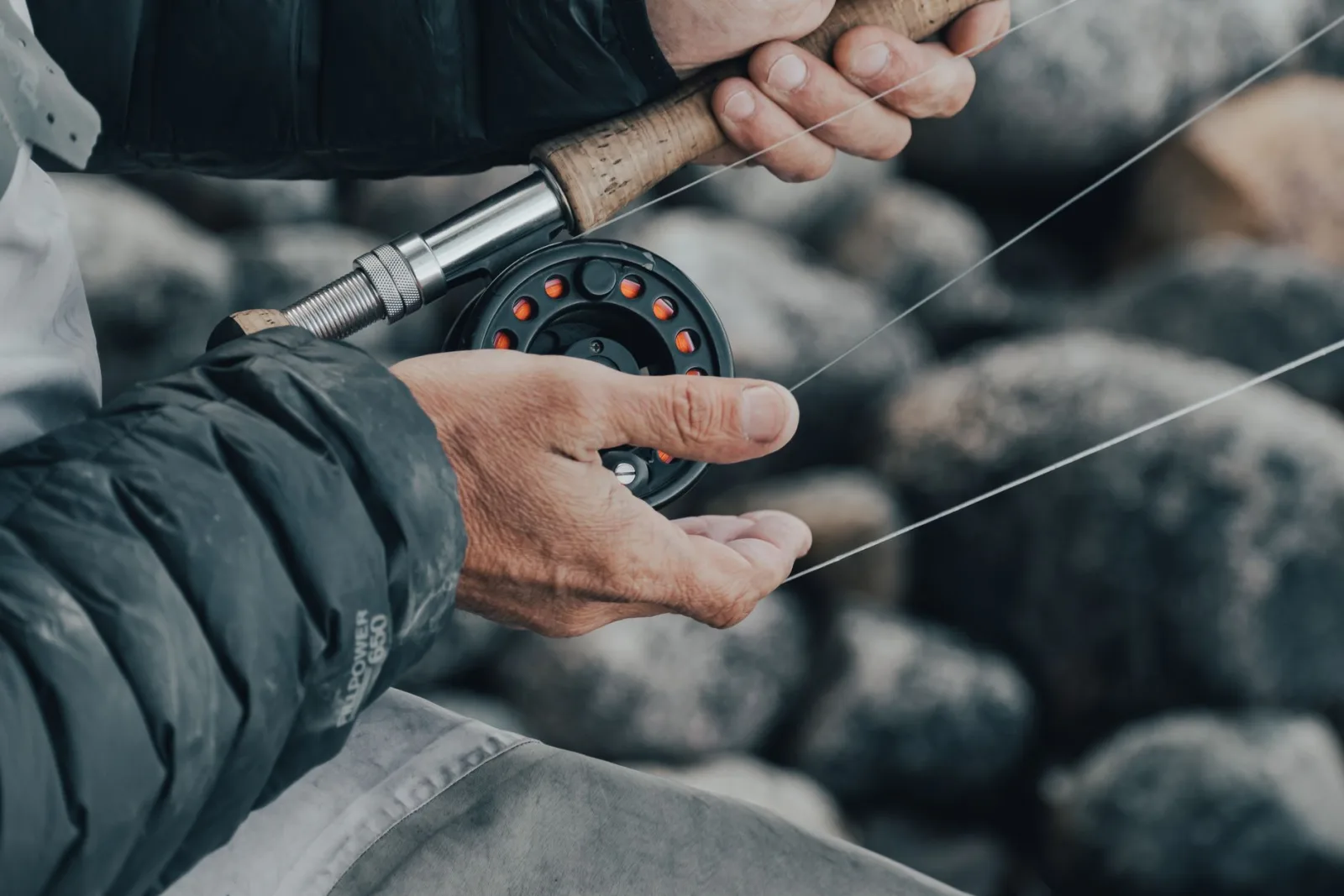
Fly fishing
View on Amazon ↗A fly rod matched to the line weight (#4–#6 for trout) and your river.
Buyer’s guides

