Chargement...
Complete guide
River Catfish
Overview
The brown bullhead is a freshwater fish widely distributed in Quebec. Although often overlooked by sport anglers, it has some appeal due to its availability and ability to withstand varied water conditions, including turbid waters. It is particularly popular among beginner anglers and children, as it is relatively easy to catch and does not require sophisticated equipment. It is mainly found in the watersheds of southern Quebec, including shallow rivers and lakes. Its fight is not the most vigorous, but its resilience and ability to struggle make it an interesting catch for novices.
Angler indices
Identification
Identification
The brown bullhead has a relatively stocky and robust body, with a color generally ranging from brown to greenish, sometimes dotted with dark spots. Its head is broad and flattened, equipped with well-developed barbels around the mouth, characteristic of fish in the Ictaluridae family. Its mouth is wide with thick, fleshy lips. The fins are usually dark-colored, and its caudal fin is slightly forked. Young bullheads closely resemble adults, although their coloration may be a bit brighter. Males and females are difficult to distinguish with the naked eye, except during the spawning period when males may develop darker colors.
How to tell it apart
The brown bullhead is often confused with the black catfish.
| Criterion | Brown Bullhead | Black Catfish |
|---|---|---|
| Size | ≈ 8-12 inches | ≈ 12-16 inches |
| Color | Brown to greenish | Uniform black |
| Barbels | 8 long | 8 long but thicker |
Distribution in Quebec
Distribution in Quebec
The brown bullhead is primarily found in southern Quebec, notably in the watersheds of the Saint Lawrence River and the Richelieu River. It is also abundant in the lakes and rivers of the southwest, including the Estrie and Montérégie regions. It is generally found in abundance in warmer, stagnant waters, often near the shores. Although it is absent from the northern regions of Quebec due to too cold temperatures, it is well established in temperate zones.
Habitat
Habitat
The brown bullhead prefers calm, shallow waters with plenty of vegetation. It is often found in ponds, marshes, lakes, and rivers with low currents. It particularly favors areas with muddy or sandy bottoms and abundant plant cover. It can be found in waters with temperatures ranging from 68 to 80 °F, often at depths of 3 to 10 feet. It is also very tolerant of turbid waters, allowing it to thrive in environments where other species might struggle to survive.
Life cycle
Life cycle
The spawning season for the brown bullhead generally begins in spring when the water temperature reaches about 68 °F. Males choose a nesting site, often in shallow areas with abundant plant cover. Females lay between 2000 and 4000 eggs, which are then guarded by the male until hatching. The fry hatch after about a week and remain under the protection of the male for several days before becoming independent. The brown bullhead reaches sexual maturity around 2 to 3 years of age and can live up to 8 years. Life cycle: Spring (spawning) → Summer (growth) → Fall (winter preparation) → Winter (relative inactivity)
Behaviour
Behaviour
The brown bullhead is a social fish, often observed in small groups, especially young individuals. It is not particularly territorial but can become aggressive if disturbed during the spawning period. It is generally active at night, making it less visible to predators. It is quite tolerant of variations in light and temperature but prefers calm waters. Sudden changes in atmospheric pressure have little effect on its feeding behavior.
Diet
Diet
The brown bullhead is omnivorous and opportunistic. Fry primarily feed on zooplankton and small aquatic invertebrates. As they grow, their diet expands to include aquatic insects, crustaceans, small fish, and plant materials. It is particularly active at dusk and during the night to feed, using its sensitive barbels to detect prey in the dark.
Seasons & best times
Seasons & best times
In spring, the brown bullhead becomes more active with rising water temperatures, and its spawning period begins. In summer, it is easier to catch early in the morning or late in the evening when temperatures are cooler. Fall sees a decrease in its activity as it prepares for winter, feeding intensively to build reserves. During winter, the brown bullhead enters a period of inactivity, retreating to deeper areas. The best conditions for fishing are on cloudy days or after light rain, which reduces water clarity and increases its activity.
Fishing techniques
Fishing techniques
Float Fishing
Primarily used for young or beginner anglers, this technique involves using a float to keep the bait at a constant depth. Ideal in shallow areas with plenty of vegetation. Avoid jiggling the line too much to not scare the fish.
Bottom Fishing
This method is effective in deeper or murky waters. It uses a sinker to keep the bait close to the bottom where the brown bullhead often feeds. Be careful not to leave too much slack in the line to detect bites.
Rod Fishing
A simple fishing rod with natural bait like earthworms can be very effective. Cast near structures such as fallen trees or rocks. The key is to keep the line tight to feel the bites.
Light Casting
Use light lures, such as spoons or jigs, in dense vegetation areas. The brown bullhead reacts well to slow and steady movements. Be careful not to speed up the retrieve too much.
Lures & colours
Recommended lures & flies
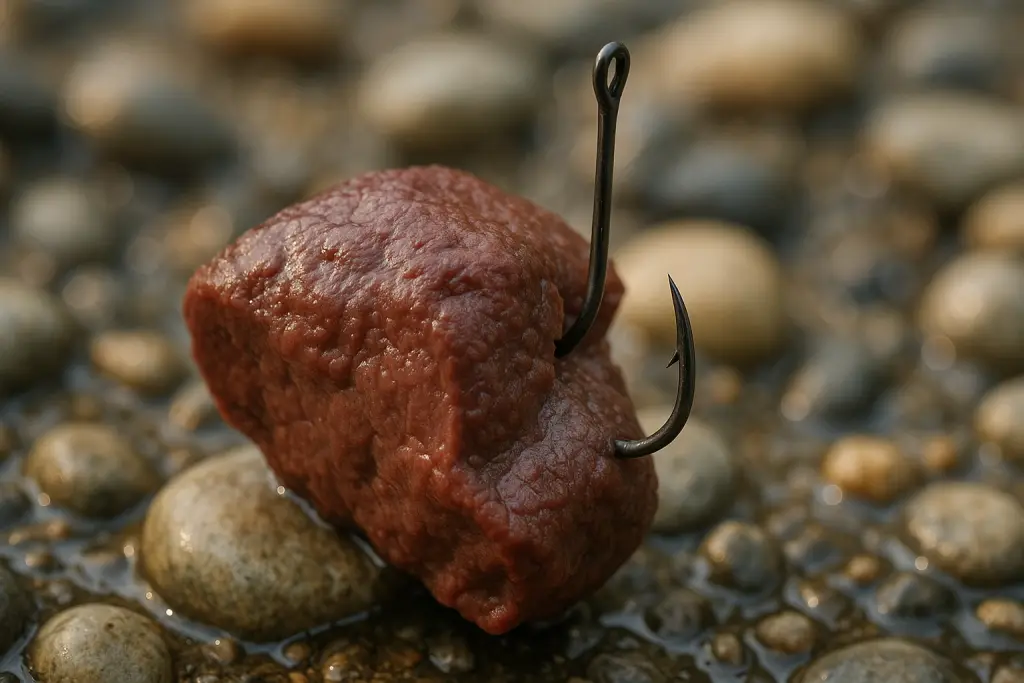
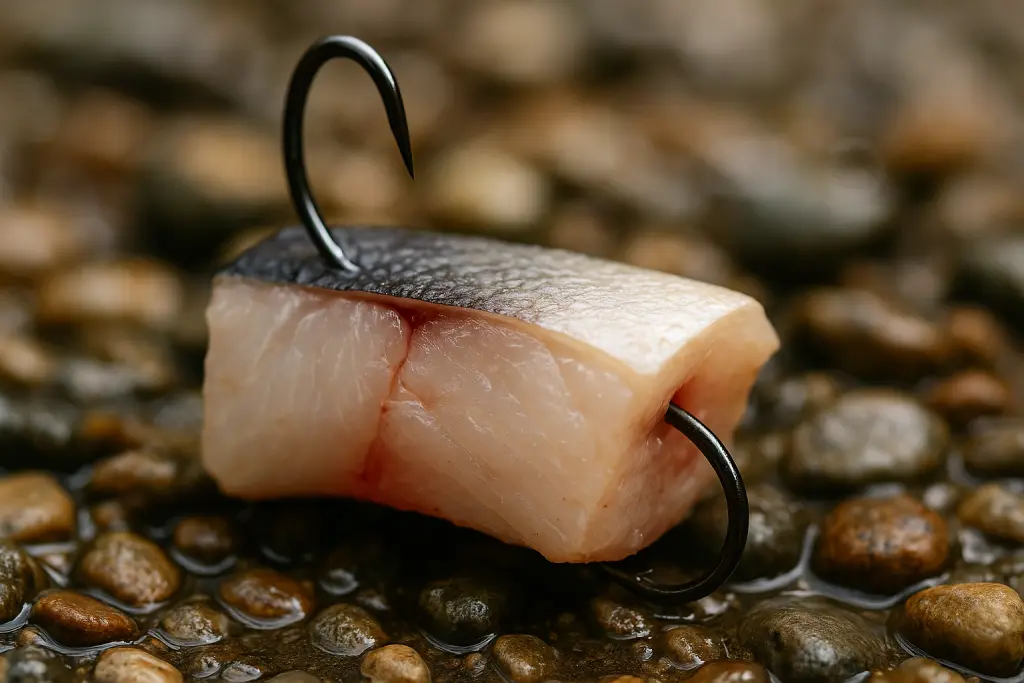
For fishing the brown bullhead, dark and natural colors are often the most effective, especially in murky waters. Brown, black, and green shades mimic natural prey well. In clear water, brighter colors can be experimented with but generally remain less effective. Phosphorescent lures can also be useful when fishing at night.
Recommended gear
Recommended gear
A rod between 6 to 7 feet in length with light to medium power and moderate action is ideal for the brown bullhead. A light spinning reel or open-faced reel spooled with 6 to 12 lb monofilament line works well. Use size 4 to 6 hooks, with a fluorocarbon leader if the water is very clear.
Handling & release
Handling & release
The brown bullhead should be handled with care to avoid getting pricked by its dorsal and pectoral spines. Use a cloth or gloves to hold it firmly. For a successful release, ensure the fish is well oxygenated before letting it go. For a photo, support the fish under the belly and avoid holding it out of the water for too long.
Predators
Predators
Natural predators of the brown bullhead include pike, muskellunge, and certain birds of prey such as herons. Young ones are particularly vulnerable to larger fish and aquatic birds.
Conservation & status
Conservation & status
The brown bullhead is not considered a threatened species in Quebec. It is abundant and is generally not subject to strict fishing regulations. However, it is always recommended to practice catch and release to maintain local populations and preserve ecological balance.
Surprising facts
Surprising facts
- ›The brown bullhead can survive in waters with very low oxygen levels due to its ability to breathe air at the surface.
- ›It has very sensitive barbels that allow it to detect prey in total darkness.
- ›Although often considered a bottom fish, it can be seen near the surface at night.
- ›It can produce a sound by rubbing its pectoral spines to scare off predators.
- ›The brown bullhead is sometimes used as an indicator of water quality due to its tolerance to polluted waters.
- ›Males actively protect the nest and young after hatching.
- ›It can live up to 8 years under ideal conditions.
- ›It is one of the few fish species that can survive in very warm and stagnant waters.
- ›It is often confused with other catfish species due to its similar morphology.
- ›The brown bullhead plays an important role in the ecosystem by helping to control populations of aquatic invertebrates.
Frequently asked questions
Frequently asked questions
How to identify a brown bullhead?+
Where can you fish for brown bullhead in Quebec?+
What is the best time to fish for brown bullhead?+
What type of lure is effective for brown bullhead?+
Is the brown bullhead edible?+
What is the diet of the brown bullhead?+
Is the brown bullhead a threatened species?+
Can you fish for brown bullhead in winter?+
What are the distinctive characteristics of young bullheads?+
How to safely handle a brown bullhead?+
What is the average size of a brown bullhead?+
Is the brown bullhead sensitive to changes in atmospheric pressure?+
What predators threaten the brown bullhead?+
Buyer’s guides
The gear we recommend


Member catches
No catches yet for this species. Be the first!
Have you caught river catfish?
Share your photo with fellow anglers — show off your catch!
Be the first to share your catch of this species.
A photo, your first name and the spot are enough — no account needed.
Our picks
Gear for River Catfish

Piscifun
Flame Spinning Reel
Compact and lightweight: Weighing only 173g, the Flame reel is perfect for fishing enthusiasts on the go. Its hollow…
39.99 $

Trudscend
TRUSCEND Easy Catch SwimMax
Discover the TRUSCEND Easy Catch SwimMax lure, designed to attract fish like never before. This innovative lure is pe…
27.99 $

PLUSINNO Combo 2.1m
Experience the ultimate fishing adventure with the PLUSINNO fishing rod and reel combo, designed to meet the needs of…
69.97 $