Chargement...
Complete guide
Sunfish
Overview
The pumpkinseed, known scientifically as Lepomis gibbosus, is a freshwater fish highly appreciated by anglers in Quebec. Although it is small in size, it is popular for its ease of capture and abundance in many bodies of water. It is mainly found in lakes and rivers where it can be relatively aggressive for its size. Beginner anglers, including children, love it because it is often the first fish they catch. Its distribution is vast, covering most of southern Quebec, making it an easy target for those wishing to practice fishing.
Angler indices
Identification
Identification
The pumpkinseed has a laterally compressed body, typical of members of the Centrarchidae family. Its coloration is particularly bright, with shades of blue, green, yellow, and orange. Its flanks are adorned with irregular vertical bands, and it often sports a red or orange spot on the operculum, near the base of the pectoral fin. Its mouth is small, suited to its varied diet. The dorsal fins are spiny at the front, followed by a softer section. The tail is slightly notched. Young pumpkinseeds display less vibrant colors than adults. During the spawning period, males become more colorful to attract females, which are generally more drab.
How to tell it apart
The pumpkinseed can be confused with other species of sunfish.
| Criterion | Pumpkinseed | Rock bass |
|---|---|---|
| Size | ≈ 20 cm | ≈ 25 cm |
| Color | Bright with red spot on operculum | Less bright, no red spot |
| Habitat | Calm waters | Fast waters |
| Mouth shape | Small | Larger |
Distribution in Quebec
Distribution in Quebec
The pumpkinseed is widely distributed in southern Quebec, particularly in the watersheds of the Saint-Lawrence and Outaouais. It is found abundantly in shallow lakes, ponds, and slow-moving rivers. It is absent from more northern regions where temperatures are less favorable for its survival. In areas where it is present, it can become very abundant, forming dense populations that often coexist with other fish species such as yellow perch or pike.
Habitat
Habitat
The pumpkinseed prefers calm, shallow waters with plenty of aquatic vegetation. It likes to hide among weeds, submerged branches, or artificial structures like docks. It is often found at depths ranging from 1 to 3 meters, where the water temperature is warmer. Areas with a sandy or muddy bottom and dense vegetation are ideal for the pumpkinseed, as they provide both food and protection from predators.
Life cycle
Life cycle
The spawning period of the pumpkinseed generally begins in late spring, when the water temperature reaches around 20 °C. Males build nests by digging shallow depressions in the sandy or muddy bottom. They then attract females to deposit their eggs. After spawning, males guard the nest and protect the eggs until hatching, which occurs about a week later. The young grow rapidly, reaching sexual maturity in two to three years. Their longevity is six to eight years under optimal conditions.
Spring → Spawning and egg-laying → Summer → Young growth → Fall → Winter preparation → Winter → Slowed life under the ice
Behaviour
Behaviour
The pumpkinseed is a social fish, often observed in small groups. It is territorial, especially males during the spawning period, where they vigorously defend their nest against intruders. It is relatively tolerant to changes in weather conditions but prefers calm, warm waters. It is more active on sunny days when light penetrates well into the water but may be less active in windy or rainy weather.
Diet
Diet
The pumpkinseed's diet is varied. Young fish primarily feed on zooplankton and aquatic invertebrates. As they grow, they add insects, small crustaceans, and sometimes small fish to their diet. Their feeding habits change little with the seasons, although they are more active and opportunistic during the warm months when food is abundant. In winter, their metabolism slows down, and they eat less, mainly feeding on what they can find under the ice.
Seasons & best times
Seasons & best times
In spring, the pumpkinseed becomes active as the water warms, typically by late April or early May. This is a good time for fishing, especially near shorelines where they gather to spawn. In summer, they remain active, especially early in the morning and late in the afternoon when temperatures are cooler. Fall sees a decrease in activity, but they continue to bite until the water cools significantly. In winter, although they are less active, they can still be fished under the ice, but patience is required. Weather conditions, such as overcast skies or stable barometric pressure, influence their feeding behavior.
Fishing techniques
Fishing techniques
Dry fly fishing
Mainly used in summer, this technique mimics surface insects. Favor small, brightly colored flies. The movement should be gentle to avoid spooking them. Avoid sudden movements.
Natural baits
Worms and small insects are very effective. Fish on the bottom or mid-water, depending on the depth. Use a small hook to increase catch chances.
Spinner
Ideal for exploring areas of dense vegetation. A slow and steady retrieve is often key. Be careful not to snag the spinner in the weeds.
Bobber fishing
Effective for beginners, this technique keeps the bait at the right depth. Let the bobber drift gently. Watch for subtle bites.
Light tackle fishing
Use small soft lures. Bright colors are often more attractive. Cast near structures and retrieve with slight twitches.
Lures & colours
Recommended lures & flies
In clear water, favor lures with natural colors like green or brown. In murky water, opt for bright colors like yellow or orange, which are more visible. On sunny days, metallic lures that reflect light can be very effective, while on cloudy days, darker colors may stand out better. In deeper water, bright and fluorescent colors attract attention more easily.
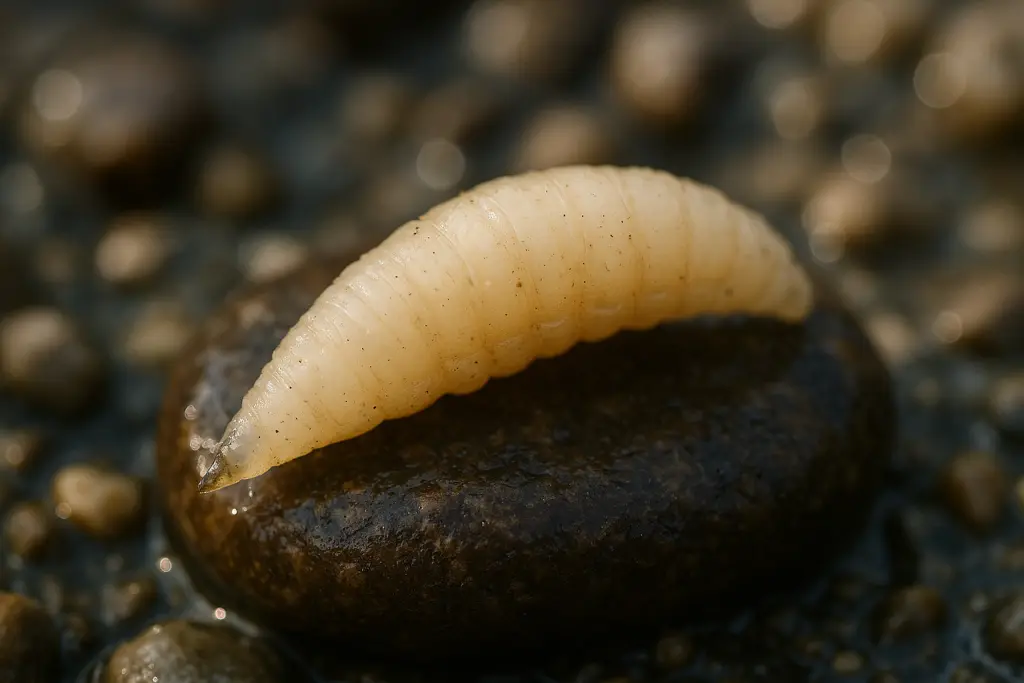
Asticots
Ideal for yellow perch, brook trout, and sunfish, effective in calm and clear water.
★★★★
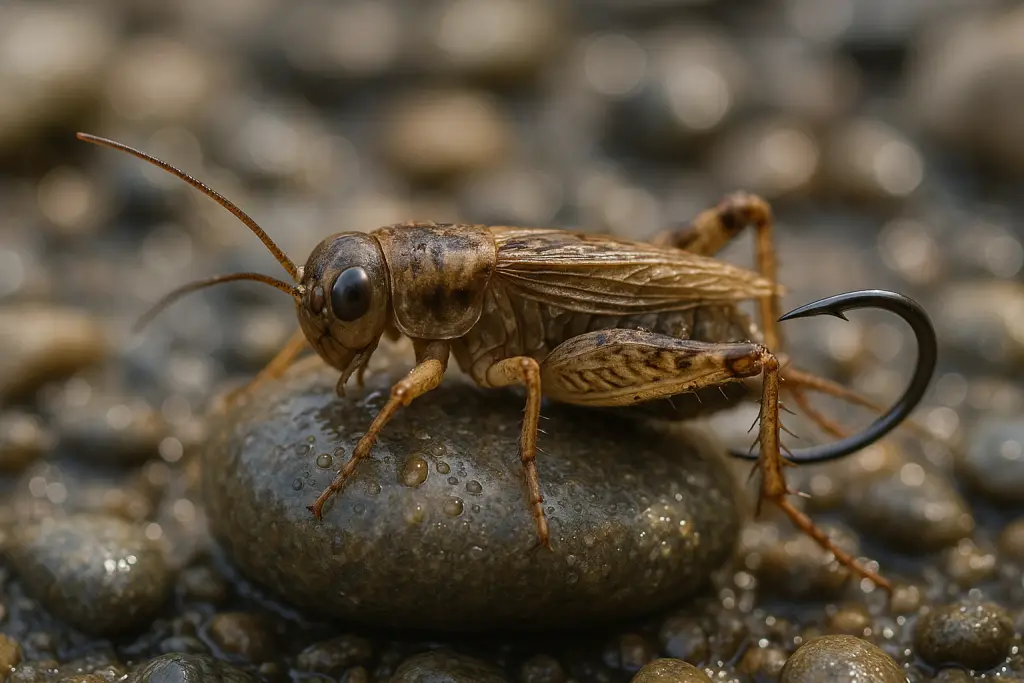
Cricket
Summer insect, effective on surface presentation.
★★★
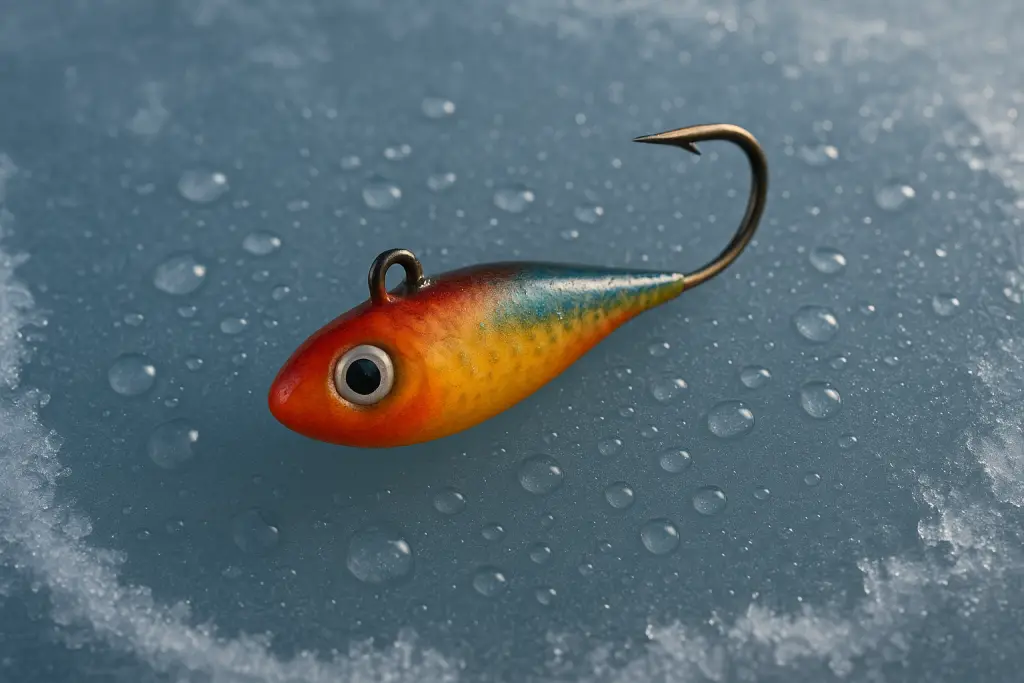
Ice jig
Ideal for ice fishing, attracts perch, yellow pike, and sunfish.
★★★★★
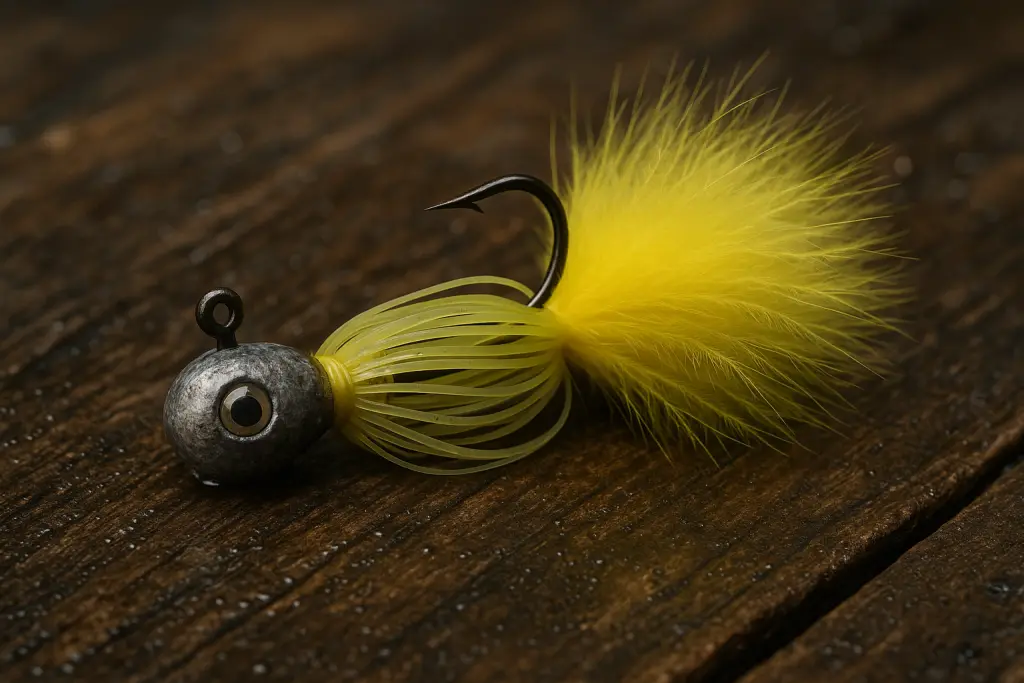
Marabou jig
Perfect for perch and yellow walleye, the marabou jig excels in murky water.
★★★
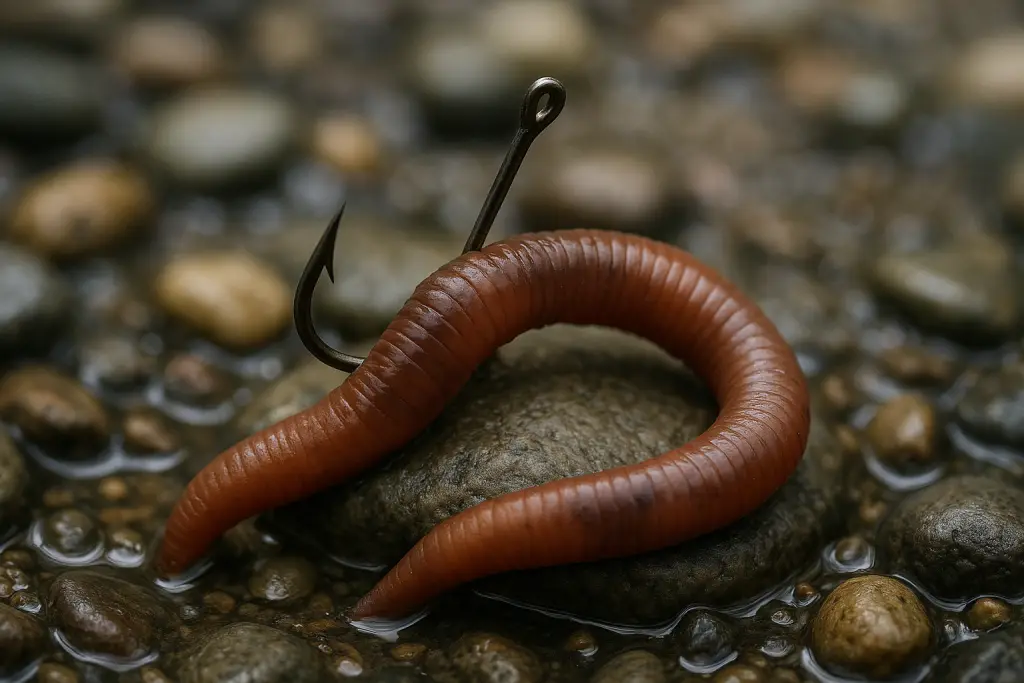
Bread
Bread ball — emergency bait for carp and sunfish.
★★
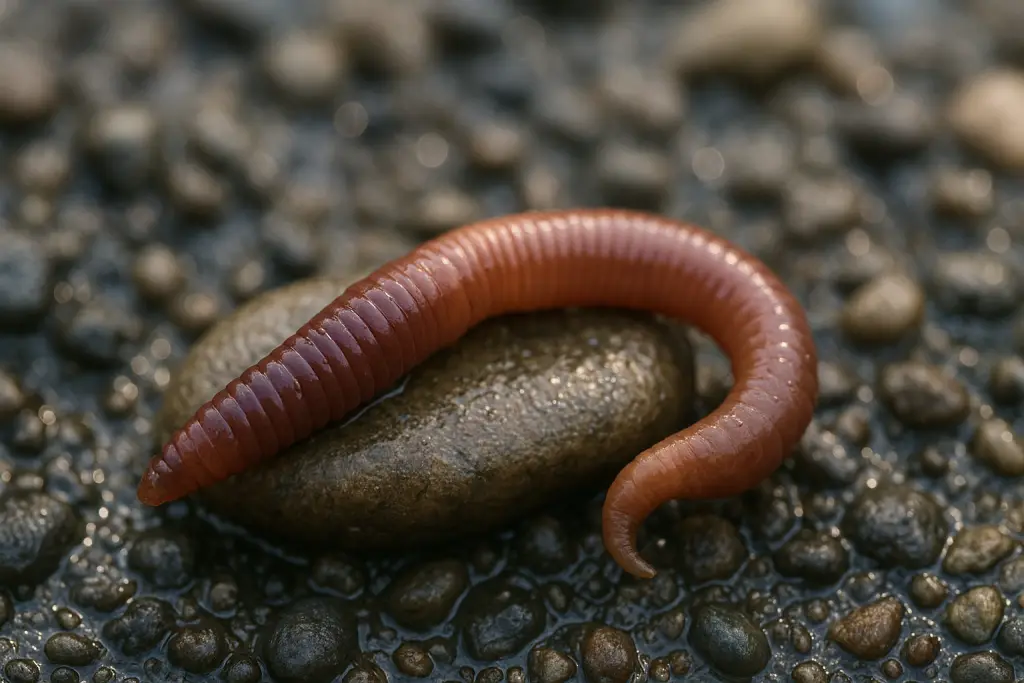
Manure worm
Small lively worm, excellent for trout and yellow perch.
★★★★
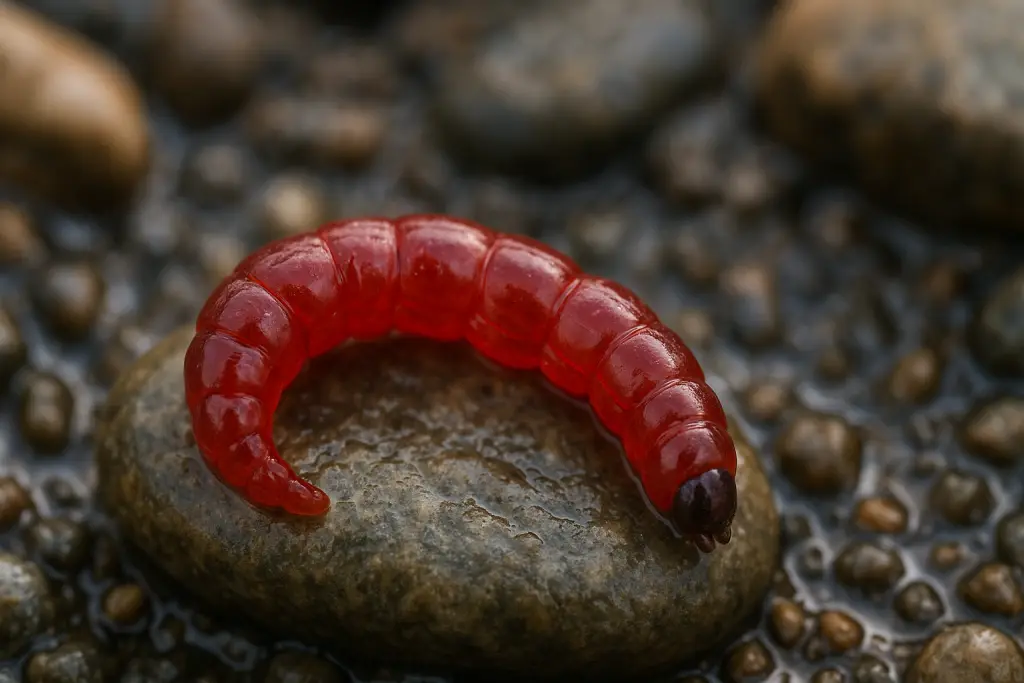
Bloodworm
Red larva typical for winter perch fishing.
★★★
Recommended gear
Recommended gear
To fish for pumpkinseed, a light rod of 1.5 to 2 meters in length is ideal, with an ultralight to light power and a fast action to feel the bites well. An open-faced reel, size 1000 to 2000, spooled with 4 to 6 lb line, is perfect for this type of fishing. Hooks size 6 to 10 are recommended, and a fluorocarbon leader can be useful for clear waters, although often unnecessary.
Handling & release
Handling & release
The pumpkinseed should be handled carefully to avoid damaging its scales or fins. Use wet hands to hold it, and if possible, return it to the water quickly after capture. For photos, make sure to support it flat to avoid injuring it. If you want to release it, do so gently, allowing it to recover before letting it go.
Predators
Predators
In the waters of Quebec, the pumpkinseed is preyed upon by larger fish such as pike and perch. Piscivorous birds such as herons and ospreys also hunt it. Young fish are particularly vulnerable to attacks from these predators.
Conservation & status
Conservation & status
The pumpkinseed is not a threatened species in Quebec. It is often considered an introduced fish, having been moved by human activity. There are no strict regulations limiting its capture, but catch and release is encouraged to maintain local populations and allow young anglers to learn fishing.
Surprising facts
Surprising facts
- ›The pumpkinseed can change color according to its mood and environment.
- ›It can survive in waters with low oxygen levels.
- ›Males build and fiercely defend their nests.
- ›It is a highly adaptable fish, capable of surviving in various habitats.
- ›Its English name, Pumpkinseed, comes from its shape and bright colors.
- ›It is often used as bait fish to catch larger predators.
- ›Pumpkinseeds can sometimes hybridize with other sunfish species.
- ›They contribute to controlling aquatic insect populations.
- ›Due to their abundance, they are rarely fished for human consumption.
- ›They are known for their curious behavior, often approaching divers.
- ›Their small size and fighting nature make them an excellent fish for learning to fish.
- ›They can survive in ponds where other fish cannot.
- ›Their spiny fins protect them from predators.
Frequently asked questions
Frequently asked questions
What is the best time to fish for pumpkinseed?+
Can you eat pumpkinseed?+
What is the maximum size of a pumpkinseed?+
How can you differentiate a male from a female?+
Where do they usually hide?+
Is the pumpkinseed sensitive to temperature changes?+
How to catch a pumpkinseed without sophisticated equipment?+
Do pumpkinseeds form schools?+
What is the best bait for pumpkinseed?+
Do you need a permit to fish for pumpkinseed in Quebec?+
What is the ecological role of the pumpkinseed?+
Can you fish for pumpkinseed in winter?+
What are the natural predators of the pumpkinseed?+
Is the pumpkinseed invasive in Quebec?+
Buyer’s guides
The gear we recommend


Member catches
No catches yet for this species. Be the first!
Have you caught sunfish?
Share your photo with fellow anglers — show off your catch!
Be the first to share your catch of this species.
A photo, your first name and the spot are enough — no account needed.
Our picks
Gear for Sunfish

TacklePro 153
Discover a comprehensive fishing kit that caters to all your needs, whether you're a beginner or an expert. This pack…
26.99 $

Reaction Tackle Blue Camo
Experience unparalleled fishing with Reaction Tackle's blue camo braided fishing line. Designed for serious anglers,…
20.09 $

Red Pliers 8.8"
Discover the essential tool for all fishing enthusiasts. These stainless steel fishing pliers are designed to provide…
16.99 $