Chargement...
Complete guide
Black Walleye
Overview
The black walleye, also known by its scientific name Sander canadensis, is a freshwater fish highly sought after by sport fishermen in Quebec. Although it is often overshadowed by its cousin, the yellow walleye, the black walleye remains an exciting catch due to its moderate fighting ability. This fish is widely distributed in the rivers and lakes of Quebec, particularly in the watersheds of the Outaouais and Saint-Maurice. Its ability to adapt to murkier waters and moderate fishing pressure makes it an interesting target for anglers of all levels. The black walleye is prized for its tasty flesh, adding to its appeal as a sport fish.
Angler indices
Identification
Identification
The black walleye has a slender, fusiform body, typical of the perch family. Its color ranges from silver-gray to dark brown, with irregular black spots that give it its name. The back is generally darker than the sides, and the belly is a creamy white. The dorsal fins are spiny, with the first dorsal fin sprinkled with black spots, while the second is lighter. The mouth is large, equipped with sharp teeth suitable for capturing live prey. The scales are small and rough to the touch. Young black walleyes display more pronounced patterns than adults, making them easier to identify. During spawning, males may develop brighter coloration, but the difference between males and females remains subtle.
How to tell it apart
The black walleye can be confused with the yellow walleye, but a few key differences distinguish them.
| Criterion | Black walleye | Yellow walleye |
|---|---|---|
| Size | 30 to 50 cm | 40 to 70 cm |
| Color | Silver-gray to dark brown | Golden yellow |
| Scale | Small and rough | Slightly larger |
| Dorsal fins | Distinct black spots | Fewer spots |
| Preferred habitat | Muddy waters | Clear waters |
Distribution in Quebec
Distribution in Quebec
In Quebec, the black walleye is primarily found in the southern regions, particularly in the watersheds of the Outaouais, Saint-Maurice, and in certain areas of the Saint-Laurent. It is also found in the rivers and lakes of Abitibi-Témiscamingue. Its ability to tolerate murky waters allows it to colonize habitats where the yellow walleye is less abundant. Although it is not as widespread as the yellow walleye, it is still present in many water bodies, often cohabiting with other species of predatory fish.
Habitat
Habitat
The black walleye prefers freshwater rivers and lakes, often with sandy or muddy bottoms. It is typically found at depths ranging from 2 to 10 meters, although it may venture deeper depending on seasonal conditions. It particularly appreciates submerged structures such as fallen trees, rocks, and aquatic vegetation, which provide hiding spots to ambush its prey. Turbid waters, where visibility is reduced, constitute a prime habitat for the black walleye, which uses its keen senses to hunt.
Life cycle
Life cycle
The spawning of the black walleye occurs in spring, typically between April and June, when the water temperature reaches about 10 to 15 °C. Females lay their eggs on rocky or sandy substrates, often in shallow areas. Males guard the eggs until they hatch, which occurs after about 10 to 20 days, depending on the water temperature. Fry grow quickly and reach sexual maturity between 2 and 4 years. In captivity, the black walleye can live up to 12 years, although its lifespan is often shorter in the wild due to predation and environmental conditions.
Spring → Spawning → Summer → Growth → Fall → Winter preparation → Winter → Rest
Behaviour
Behaviour
The black walleye is a social fish, especially outside of the spawning period when it can be more territorial. It is known to hunt in small groups, which increases its chances of capturing prey. This fish is sensitive to changes in light, preferring cloudy days or low-light periods, such as dawn and dusk, to feed. Although it tolerates murky waters, it is cautious and may become wary in the event of sudden disturbances such as noise or abrupt movements in the water.
Diet
Diet
The diet of the black walleye varies according to its age and the seasons. Fry primarily feed on zooplankton and small aquatic insect larvae. As they grow, their diet expands to include small fish, crayfish, and other aquatic invertebrates. Adults are opportunistic predators, primarily feeding on fish such as perch and minnows, but also on aquatic insects and crustaceans. In winter, their metabolism slows down, and they become less active, feeding more sporadically.
Seasons & best times
Seasons & best times
The black walleye is active year-round, but the best times to catch it are in spring and fall when water temperatures are moderate. In spring, just after spawning, black walleyes are particularly aggressive and responsive to lures. In summer, they move to deeper waters to avoid the heat but remain active early in the morning and late in the evening. Fall is an excellent season for fishing, as they actively feed to build reserves before winter. In winter, ice fishing can be productive, although the black walleye is less active during this time. Cloudy days and periods of low atmospheric pressure are often the most favorable for fishing.
Fishing techniques
Fishing techniques
Jigging
Jigging is an effective technique for catching black walleye, especially in summer and winter. Use a brightly colored jig to attract the fish's attention in murky waters. The animation should be slow and steady, lifting the rod slightly and letting it drop. Avoid abrupt movements that may scare the fish.
Trolling
Ideal in spring and fall, trolling allows you to cover large areas of water. Use diving lures or medium-sized spoons. Adjust the trolling speed according to depth and water temperature. Avoid trolling too fast, as the black walleye prefers slow-moving prey.
Light casting
Light casting is perfect for shallow areas and submerged structures. Use soft lures or light spoons. Cast near structures and slowly retrieve the lure with frequent pauses. Ensure good control to avoid snags.
Ice fishing
In winter, black walleye can be caught through the ice. Use jigs or metal lures suitable for ice fishing. The key is to remain patient and adjust the animation to the day's conditions. Areas with underwater structures are often the most productive.
Drop shot
This technique is effective in deep, clear waters, especially in summer. Use a drop shot rig with a soft lure. Let the lure sink to the bottom, then slowly raise it with small twitches. Avoid pulling too hard to keep the lure at the right depth.
Lures & colours
Recommended lures & flies
For clear waters, favor lures in natural colors like gray, brown, or green that mimic the black walleye's usual prey. In murky waters, brighter colors like chartreuse or orange may be more effective in attracting attention. On sunny days, metal lures and reflective spoons can be very attractive. In overcast weather, opt for lures with a matte finish to avoid excessive glare. Depth also plays a role: in deeper waters, use lures that sink quickly and maintain their shine.
Recommended gear
Recommended gear
To fish for black walleye, a 6 to 7-foot rod with medium power and moderate action is ideal. A spinning reel sized 2500 to 3000, spooled with 8 to 12 lb monofilament line, offers a good balance between sensitivity and strength. Hooks sized 2 to 4 are generally sufficient. A fluorocarbon leader can be used for more stealth, especially in clear waters. Ensure you have a variety of jigs, soft lures, and spoons to adapt to changing conditions.
Handling & release
Handling & release
To handle the black walleye, use wet hands to avoid damaging its protective mucus. If you plan to release it, minimize the time out of the water and handle it carefully to avoid injury. For photos, hold it horizontally while supporting the belly. Release it gently, ensuring it is well-oxygenated before letting it go.
Predators
Predators
The black walleye has few natural predators once it is adult, but younger ones can be preyed upon by larger fish like pike and muskellunge. Aquatic birds such as herons and ospreys may also target young black walleyes. In some cases, mammals like otters can also pose a threat.
Conservation & status
Conservation & status
The black walleye is currently stable in Quebec, but its management is crucial to ensure its sustainability. Fishing regulations include size and catch limits to prevent overfishing. Releasing unwanted or undersized specimens is encouraged to maintain populations. Anglers should always check local regulations before fishing.
Surprising facts
Surprising facts
- ›Black walleyes can change color to blend into their environment.
- ›They are more active during the night and low-light periods.
- ›The black walleye is often confused with the yellow walleye, but it is generally smaller.
- ›It can tolerate murkier waters than the yellow walleye, allowing it to live in varied habitats.
- ›The current world record for black walleye is approximately 4.5 kg.
- ›Males protect the eggs until they hatch.
- ›The black walleye uses its sharp teeth to capture its prey.
- ›It can live up to 12 years under suitable conditions.
- ›The ideal temperatures for black walleye are between 15 and 23 °C.
- ›It primarily feeds on fish and aquatic invertebrates.
- ›Spawning generally occurs in spring, between April and June.
- ›The black walleye can detect vibrations in the water to locate its prey.
- ›It is an opportunistic predator, adapting to available prey.
- ›The scales of the black walleye are small and rough, providing protection against predators.
Frequently asked questions
Frequently asked questions
What is the best season to fish for black walleye?+
What is the maximum weight of a black walleye?+
Is the black walleye sensitive to light?+
What is the difference between black walleye and yellow walleye?+
Can you fish for black walleye in winter?+
What are the predators of black walleye?+
What type of lure is most effective for black walleye?+
What is the lifespan of a black walleye?+
How to handle a black walleye for release?+
What is the average size of a black walleye?+
Does the black walleye prefer clear or murky waters?+
What type of fishing rod is recommended for black walleye?+
Is the black walleye a social fish?+
What is the ideal temperature for black walleye?+
Does the black walleye exhibit territorial behaviors?+
Recommended gear
What to use for walleye
Our go-to picks, from our ranking of 8 compared products.
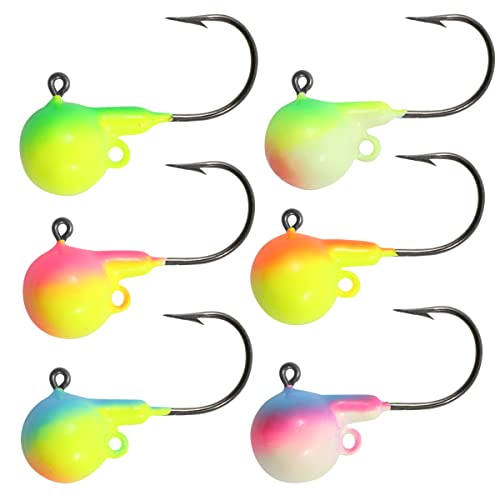


Also: The Best Fishing Rods for Walleye · The Best Reels for Walleye
Affiliate links: as an Amazon Associate we earn from qualifying purchases, at no extra cost to you. Prices from Amazon, may vary.
Member catches
No catches yet for this species. Be the first!
Have you caught black walleye?
Share your photo with fellow anglers — show off your catch!
Be the first to share your catch of this species.
A photo, your first name and the spot are enough — no account needed.