Chargement...
Complete guide
Coho Salmon
Overview
The coho salmon, scientifically known as Oncorhynchus kisutch, is a popular species among sport fishermen in Quebec due to its fighting spirit and aggressiveness. This fish is valued for its ability to provide an exciting fight when caught, often jumping out of the water and making fast runs. Primarily distributed in the rivers and coastal lakes of Quebec, the coho salmon is also introduced in some water bodies to support recreational fishing. Its main appeal lies in the quality of its flesh and the challenge it presents during sport fishing.
Angler indices
Identification
Identification
The coho salmon is distinguished by its streamlined and elongated body, covered with silver scales that give it a metallic appearance. During the spawning period, its body color changes, adopting darker shades with hues of red and pink, particularly pronounced in males. Its mouth is relatively large, with a slightly elongated lower jaw. The dorsal and anal fins are well developed, while the caudal fin is slightly forked. Young cohos, called tacon, display vertical markings on their sides that fade as they grow. Males during spawning develop a hook on the lower jaw, called a kype, which is absent in females.
How to tell it apart
The coho salmon can be confused with other salmon, but certain criteria allow for its distinction.
| Criterion | Coho Salmon | Atlantic Salmon |
|---|---|---|
| Size | 50 to 80 cm | 70 to 100 cm |
| Color during spawning | Bright red | Brownish-red |
| Tail shape | Slightly forked | Almost straight |
Distribution in Quebec
Distribution in Quebec
In Quebec, the coho salmon is primarily found in the coastal rivers of the Côte-Nord and Gaspésie, where it ascends to spawn. Although less abundant than the Atlantic salmon, its presence is supported by reintroduction programs in certain watersheds, notably in the Matane and Rimouski rivers. It is also found in some lakes where it has been introduced for sport fishing. Its distribution is limited to areas where temperature and water quality conditions are optimal for its development.
Habitat
Habitat
The coho salmon prefers cold, well-oxygenated waters of rivers and lakes. It is often found in streams with moderate to fast currents, with gravel or pebble bottoms that are ideal for spawning. In lakes, it frequents deep areas during summer to avoid high temperatures. Structures such as submerged trees and rocks provide shelter and hunting opportunities for this active predator. Anglers should target confluence areas, ledges, and deep pools to maximize their chances of success.
Life cycle
Life cycle
The life cycle of the coho salmon begins with spawning, which typically occurs in the fall. Females dig nests called 'redds' in the gravel, where they lay their eggs. The fry emerge in spring and generally spend one to two years in the river before migrating to the ocean. After reaching sexual maturity at two to three years of age, adults return to their natal river to spawn. Most coho salmon die after spawning, although a few may survive for another breeding season. Spring: Fry emergence → Summer: River growth → Fall: Spawning → Winter: Post-spawning death or rare survival.
Behaviour
Behaviour
The coho salmon is a social fish, especially in the juvenile phase, where it forms schools to protect itself from predators. As it grows, it becomes more territorial, especially during spawning. Sensitive to changes in light and temperature, it is more active at dawn and dusk. Cohos can be alerted by noise and sudden movements, requiring a stealthy approach for fishing. Weather conditions also influence their behavior, with increased activity during overcast or rainy weather.
Diet
Diet
The diet of the coho salmon varies depending on its age. Fry primarily feed on zooplankton and small aquatic invertebrates. As they grow, their diet expands to include aquatic insects, small fish, and crustaceans. Adults, especially those in the ocean, feed on fish such as herring and anchovies, as well as squid. During the spawning period, their feeding decreases significantly as they devote their energy to reproduction.
Seasons & best times
Seasons & best times
The coho salmon is most active in spring and fall when water temperatures are cooler. In spring, cohos are often caught early in the morning or late in the afternoon. In summer, they take refuge in deeper waters to avoid the heat, while in fall, they return in numbers to the rivers to spawn. Anglers should aim for overcast or slightly rainy days, as these conditions increase fish activity. In winter, cohos are less active but can still be caught in areas where the water remains ice-free.
Fishing techniques
Fishing techniques
Fly Fishing
Ideal in spring and fall, this technique mimics the aquatic insects that the coho salmon loves. Use a 9-foot fly rod with a floating line. Common mistakes include overly abrupt presentations or choosing an unsuitable fly.
Trolling
Particularly effective in summer in deep lakes. Use a sinking lure or spoon at slow to moderate speeds. Adjust the depth according to the thermocline. Avoid accelerating too much, as this can make the lure less attractive.
Drifting with Eggs
Used in rivers during spawning, drifting with fish eggs is very attractive. Use a sensitive rod and let the bait drift gently in the current. Mistakes include drifting too fast or hooking too early.
Jigging in Lakes
This technique is effective in deep water, especially in summer. Use a jig with bright colors to attract attention. Keep the jigging slow and steady to mimic an injured bait fish. Avoid overly abrupt movements that could scare the fish.
Lures & colours
Recommended lures & flies
For coho salmon, silver and blue lures work well in clear waters and sunny weather, mimicking small fish. In murky water or overcast conditions, opt for bright colors like pink or red. Spoons and sinking lures are effective in deeper waters. Adjust the lure size to the size of the fish present in the water body.
Recommended gear
Recommended gear
To fish for coho salmon, a rod of 8 to 9 feet in length, with medium power and fast action, is recommended. Use a light or medium spinning reel, with a line of 10 to 15 lb. Hooks sized 4 to 1/0 are suitable, depending on the bait or lure used. A fluorocarbon leader of 15 to 20 lb can help increase discretion in clear water.
Handling & release
Handling & release
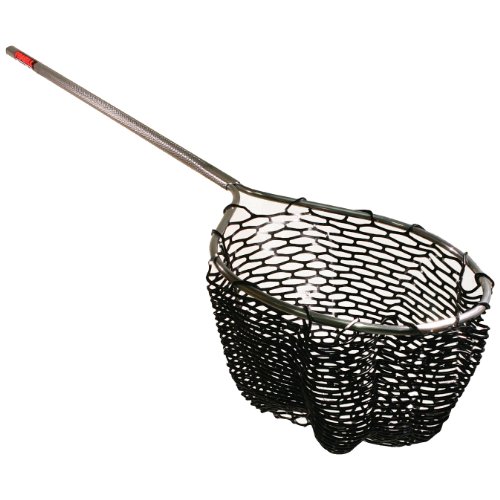
Handle the coho salmon carefully to avoid injury. Use a fine mesh net and keep the fish in the water as much as possible. For a successful release, ensure the fish is well oxygenated before letting it go. For photos, avoid squeezing the fish too much and support it well to minimize stress.
Predators
Predators
In Quebec, the natural predators of coho salmon include piscivorous birds such as the osprey and the great blue heron. In the water, larger fish like pike and muskellunge may prey on young coho salmon.
Conservation & status
Conservation & status
The coho salmon is often subject to conservation and management efforts in Quebec, aimed at maintaining viable populations. Regulations include catch limits and restricted fishing periods, especially during spawning. Catch and release is encouraged to preserve stocks.
Surprising facts
Surprising facts
- ›The coho salmon is also known as 'silver salmon' due to its shiny scales.
- ›Cohos can jump up to 2 meters out of the water to overcome obstacles.
- ›During spawning, males develop a kype, a hook on the lower jaw.
- ›Coho salmon generally return to spawn in the river of their birth.
- ›Young cohos spend between 1 and 2 years in the river before migrating to the ocean.
- ›Cohos are often introduced into lakes for sport fishing.
- ›Their flesh is prized for its taste quality and richness in omega-3.
- ›The scientific name of coho salmon is Oncorhynchus kisutch.
- ›Cohos can change color dramatically during spawning.
- ›Adults typically die after spawning, a behavior known as semelparity.
- ›The coho salmon is an anadromous species, living in the sea but spawning in freshwater.
- ›They are sensitive to environmental changes, making them indicators of ecosystem health.
- ›Cohos can be successfully caught using flies that imitate aquatic insects.
- ›They are often targeted by line anglers for their spectacular fight.
Frequently asked questions
Frequently asked questions
What is the best time to fish for coho salmon in Quebec?+
What are the distinctive signs of a spawning coho salmon?+
Is the coho salmon a good fighter?+
Can coho salmon be fished in winter in Quebec?+
What equipment would you recommend for fishing for coho salmon?+
Can coho salmon live in freshwater their entire life?+
What is the typical lifespan of a coho salmon?+
What are the main predators of coho salmon in Quebec?+
Is it legal to keep all caught coho salmon?+
How can you distinguish a coho salmon from an Atlantic salmon?+
Is the coho salmon sensitive to pollution?+
What is the most effective fishing technique for coho salmon?+
How many eggs can a female coho salmon lay?+
Why is coho salmon introduced into certain lakes?+
How can you improve the release of coho salmon?+
Buyer’s guides
The gear we recommend


Member catches
No catches yet for this species. Be the first!
Have you caught coho salmon?
Share your photo with fellow anglers — show off your catch!
Be the first to share your catch of this species.
A photo, your first name and the spot are enough — no account needed.
Our picks
Gear for Coho Salmon

PLUSINNO 2.1M Combo
Discover the PLUSINNO Fishing Rod and Reel Combo, designed for fishing enthusiasts seeking the perfect blend of perfo…
50.97 $

Daiwa Crossfire LT
Discover a spinning reel that combines performance and lightweight design, perfect for fishing enthusiasts. This mode…
49.49 $

FishPro 126P
Discover a comprehensive fishing lure kit designed to meet the needs of anglers of all levels. Whether you are a begi…
19.99 $