Chargement...
Complete guide
Ulvaire deux-lignes
Overview
The two-lined ulvaria is a little-known fish among sport fishermen in Quebec, due to its small size and limited interest for recreational fishing. This fish is primarily found in salt and brackish waters, inhabiting the estuaries and coastal areas of the St. Lawrence. Its discreet presence and non-aggressive behavior make it less sought after, but it plays an important role in the ecosystem, serving as prey for several larger fish species and seabirds. Although it is not a typical sport fish, the two-lined ulvaria is interesting for biologists and fishermen curious about the aquatic biodiversity of Quebec.
Angler indices
Identification
Identification
The two-lined ulvaria has an elongated and slender body, typically measuring between 10 and 15 centimeters at maturity. Its coloration is often greenish to brownish, allowing it to effectively camouflage in seagrass beds and muddy bottoms. The patterns on its body include two dark lateral lines, from which it gets its name. Its mouth is small and upward-facing, adapted to its diet primarily composed of small invertebrates. The fins are relatively inconspicuous, with a dorsal fin located towards the middle of the back and a slightly forked caudal fin. The scales are small and well embedded, providing effective protection. Young ulvarias closely resemble adults, although they are often lighter. There is no notable difference between males and females during spawning.
How to tell it apart
The two-lined ulvaria can be confused with other small coastal fish.
| Criterion | Two-lined ulvaria | Three-spined stickleback |
|---|---|---|
| Size | 10 to 15 cm | 5 to 10 cm |
| Patterns | Two lateral lines | No distinct pattern |
| Fins | Slightly forked caudal fin | Fan-shaped caudal fin |
Distribution in Quebec
Distribution in Quebec
In Quebec, the two-lined ulvaria is mainly found in the coastal areas of the St. Lawrence River, particularly in estuaries and brackish bays. It is also found in some coastal rivers where the water is slightly brackish. Its abundance is moderate, but it is often overlooked by fishermen due to its small size and lack of interest for sport fishing. It is absent from the inland freshwater waters of Quebec, preferring environments where saltwater and freshwater mix.
Habitat
Habitat
The two-lined ulvaria primarily inhabits the brackish waters of estuaries and shallow coastal bays, where it finds an abundance of food and shelter in seagrass beds and muddy bottoms. It is usually encountered at depths ranging from 1 to 10 meters, where light still penetrates sufficiently to allow the growth of aquatic plants. This species prefers cool temperatures, typical of the waters of the St. Lawrence and coastal environments of Quebec. To spot it, look in areas where the water is calm and aquatic vegetation is dense.
Life cycle
Life cycle
The two-lined ulvaria spawns in the spring, when temperatures begin to rise and the water reaches around 10 °C. Females lay adhesive eggs on aquatic vegetation, where they remain until hatching. The fry emerge after about a week and immediately begin to feed on small planktonic organisms. Growth is rapid during the first year, reaching sexual maturity at about one year. The lifespan of the two-lined ulvaria is relatively short, with an average lifespan of 4 to 6 years.
Spring: Spawning → Summer: Growth of juveniles → Fall: Preparation for winter → Winter: Reduced activity
Behaviour
Behaviour
The two-lined ulvaria is a schooling fish, often observed in small groups that move together to feed and protect themselves from predators. It is not territorial and shows little aggression towards other species. Sensitive to changes in light, it is more active during low-light hours, such as early morning and late afternoon. Weather conditions such as wind and rain do not significantly affect its behavior, but it prefers calm and sheltered waters.
Diet
Diet
The diet of the two-lined ulvaria varies with age. Fry primarily feed on zooplankton and small aquatic organisms. As they grow, they switch to a diet mainly composed of small benthic invertebrates, such as insect larvae, small crustaceans, and mollusks. Their diet is opportunistic and depends on the availability of prey in their habitat. In winter, their feeding activity decreases, but they continue to feed when conditions allow.
Seasons & best times
Seasons & best times
In spring, the two-lined ulvaria is more active due to spawning and rising water temperatures. The best times to observe or catch it are early in the morning and late in the afternoon. In summer, activity remains high, especially in well-oxygenated waters covered in vegetation. Fall sees a gradual decrease in activity as temperatures drop. In winter, the two-lined ulvaria slows its metabolism but remains active in areas where the water does not freeze completely. Overcast days or light rain are often the best times to observe it, as it is less wary and more active.
Fishing techniques
Fishing techniques
Net fishing
Primarily used for scientific study and sample collection, this method is effective in densely vegetated areas where the two-lined ulvaria hides. Be sure to comply with local regulations regarding the use of nets.
Snorkeling
For marine biology enthusiasts, direct observation is an enriching method to study the behavior of the two-lined ulvaria in its natural habitat. Choose days when the water is clear for better visibility.
Lures & colours
Recommended lures & flies
Since the two-lined ulvaria is not a target for sport fishing, lures are generally not used for this species. However, if you are looking to study its reaction behavior to foreign objects, small lures in neutral colors or mimicking aquatic vegetation could be interesting to test.
Recommended gear
Recommended gear
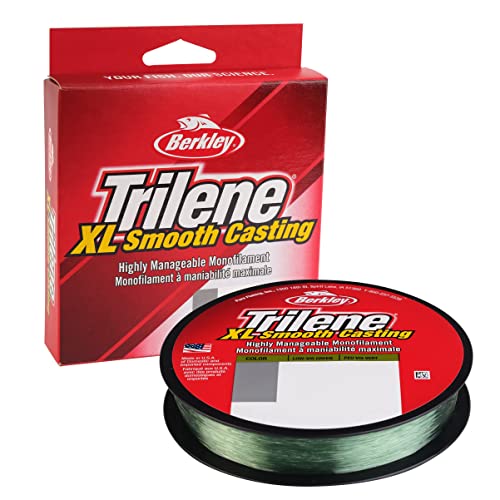
For observation or scientific collection, a light rod of 1.80 to 2.10 meters with a fast action can be used to handle nets or sampling equipment. A light reel with a line of 4 to 6 lb is sufficient. Hooks are generally not necessary, except for specific studies on feeding.
Handling & release
Handling & release
If you need to handle a two-lined ulvaria, do so carefully to avoid damaging it. Use wet hands or gloves to minimize stress and injuries. If you release it back into the water, ensure it is well oxygenated and can swim freely before letting it go. For photos, try to keep it in the water as much as possible to reduce stress.
Predators
Predators
The main predators of the two-lined ulvaria in Quebec include larger fish such as striped bass and silver hake, as well as seabirds like herons and cormorants that hunt in shallow waters.
Conservation & status
Conservation & status
The two-lined ulvaria is not currently considered endangered in Quebec. There are no specific regulations for this species, but protecting its habitat is crucial for maintaining its populations. Catch and release is encouraged to avoid impacting local populations, especially during scientific studies.
Surprising facts
Surprising facts
- ›The two-lined ulvaria is sometimes confused with marine algae due to its scientific name.
- ›It plays an important role in the food web as prey for several marine predators.
- ›This species prefers cold and brackish waters, typical of the St. Lawrence estuaries.
- ›The eggs of the two-lined ulvaria are adhesive and attach to aquatic vegetation.
- ›Its small size makes it less interesting for sport fishing but crucial for biodiversity.
- ›Although it is not aggressive, the two-lined ulvaria can quickly weave through seagrass.
- ›Its diet primarily includes benthic invertebrates and zooplankton.
- ›In captivity, it can be used to study ecological interactions in aquatic ecosystems.
- ›It is often more active during low-light hours.
- ›The greenish color of its body provides excellent camouflage in seagrass.
- ›It is sometimes used as bait to catch larger fish.
- ›The life cycle of the two-lined ulvaria is short, with maturity reached by the first year.
Frequently asked questions
Frequently asked questions
Is the two-lined ulvaria fished for sport?+
Where can the two-lined ulvaria be found in Quebec?+
What is the average size of a two-lined ulvaria?+
What is the diet of the two-lined ulvaria?+
How can you differentiate a two-lined ulvaria from a stickleback?+
What is the lifespan of the two-lined ulvaria?+
Is the two-lined ulvaria sensitive to pollution?+
Is the two-lined ulvaria endangered in Quebec?+
What is the best time to observe the two-lined ulvaria?+
Can the two-lined ulvaria be kept in an aquarium?+
What are its main predators?+
How does the two-lined ulvaria contribute to the ecosystem?+
What are the signs of maturity in the two-lined ulvaria?+
Does the two-lined ulvaria have any special adaptations?+
What is the ideal temperature for the two-lined ulvaria?+
Buyer’s guides
The gear we recommend
Member catches
No catches yet for this species. Be the first!
Have you caught ulvaire deux-lignes?
Share your photo with fellow anglers — show off your catch!
Be the first to share your catch of this species.
A photo, your first name and the spot are enough — no account needed.
Our picks
Gear for Ulvaire deux-lignes

TacklePro 153
Discover a comprehensive fishing kit that caters to all your needs, whether you're a beginner or an expert. This pack…
26.99 $

Reaction Tackle Blue Camo
Experience unparalleled fishing with Reaction Tackle's blue camo braided fishing line. Designed for serious anglers,…
20.09 $

Red Pliers 8.8"
Discover the essential tool for all fishing enthusiasts. These stainless steel fishing pliers are designed to provide…
16.99 $