Pêcheur Québec
Published on June 30, 20264 min read
Bass fishing in Quebec: smallmouth or largemouth, where to find them by season, and the lures that trigger the strike.
Bass is one of the most sought-after sport fish in Quebec, and for good reason: it is an explosive fighter that attacks lures aggressively. There are two species. The smallmouth bass is famous "pound for pound" as one of the hardest-fighting freshwater fish: once hooked, it leaps clear of the water and pulls with astonishing power. The largemouth bass haunts dense weed beds and warm water, where it sets fearsome ambushes. This guide covers the techniques, lures and best baits to catch both species. It is part of our complete guide to fishing in Quebec.
Key takeaway — Bass season opens on the 4th Saturday of June in most zones and runs until late October. Smallmouth prefer rocky structure and clear water; largemouth prefer weed beds and warm, shallow water. A valid fishing license is mandatory from age 18.
Smallmouth or largemouth bass?
Though cousins, the two bass are fished differently. Knowing their preferences helps you pick the right water and presentation. See also the smallmouth bass profile and the largemouth bass profile.
| Criterion | Smallmouth | Largemouth |
|---|---|---|
| Habitat | Clear, cool, rocky bottom | Warm water, weeds, marshes |
| Preferred structure | Rocks, shoals, rubble | Lily pads, submerged wood, docks |
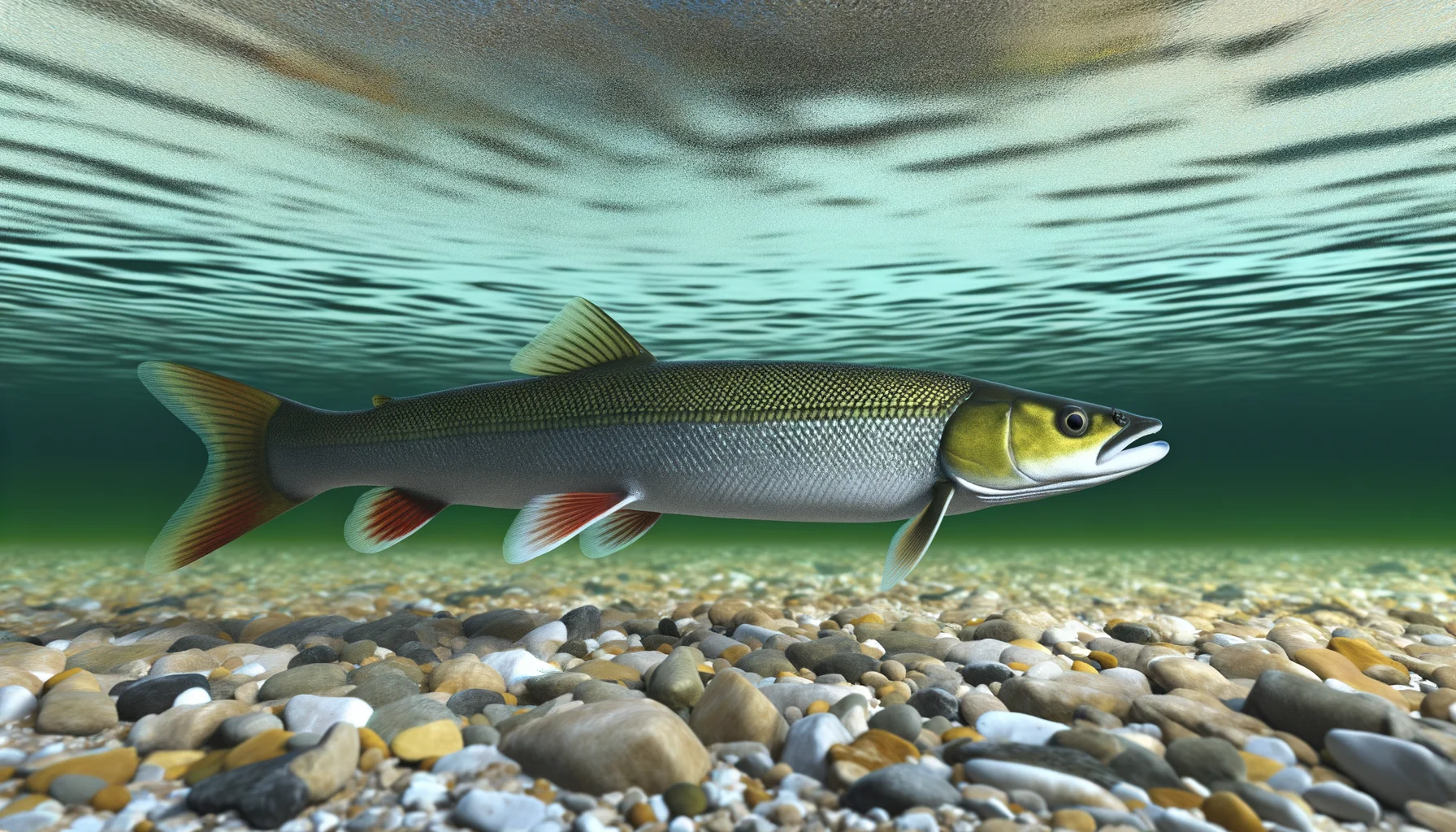
| Mouth | Ends under the eye | Extends past the eye |
| Colour | Bronze, golden-brown, vertical bars | Olive green, dark horizontal band |
| Fight | Spectacular jumps, very strong | Brutal strikes, dives into cover |
| Food | Crayfish, minnows, insects | Baitfish, frogs, crayfish |
Where to find bass
Bass is a structure fish: it almost always hugs an element offering cover, ambush or food. Spot these features with the spots map and focus your casts on:
- Rocky structure: points, shoals, rubble and boulders — prime smallmouth ground, where it hunts crayfish.
- Weed beds: edges of lily pads, cattails and milfoil — largemouth's ambush territory.
- Docks and man-made structure: docks provide shade and cover, especially on hot, sunny days.
- Edges and drop-offs: the line where shallow meets deep concentrates active fish.
- Submerged wood: fallen trees and stumps shelter largemouth and the prey it feeds on.
The best lures for bass
Bass responds to a huge range of lures. Here are the essential categories, from finesse (clear water, wary fish) to power fishing (dense cover, aggressive fish).
| Lure | When to use it | Main target |
|---|---|---|
| Ned rig | Clear water, passive fish, finesse | Smallmouth |
| Drop shot | Deep or wary fish, vertical | Smallmouth |
| Tube | Rocky bottoms, imitates crayfish | Smallmouth |
| Senko (Wacky worm) | Edges, slow hypnotic fall | Both |
| Jerkbait | Cool water, spring/fall, suspended fish | Both |
| Crankbait | Cover water, drop-offs and shoals | Both |
| Spinnerbait | Stained water, weeds, overcast | Largemouth |
| Topwater | Dawn and dusk, calm water | Both |
| Jig | Dense cover, big fish, cold water | Largemouth |
Finesse soft baits — ned rig, drop shot, tube and senko — are deadly on wary smallmouth in clear water. The jig and spinnerbait shine for pulling big largemouth out of cover. Nothing, though, beats the thrill of a topwater lure crushed at dawn in an explosion of water.
The best natural baits
Where regulations allow, live baits are devastatingly effective:
- Minnows: the all-round bait par excellence, on a plain hook under a float or on a slow drift.
- Crayfish: smallmouth's favourite meal, presented near the rocky bottom where their use as bait is permitted.
- Earthworms: accessible and effective for largemouth, especially with young anglers.
- Leeches: excellent early in the season, on a light rig.
Key takeaway — The use and transport of live baitfish is strictly regulated in Quebec to prevent the spread of invasive species and disease. Always check your zone's regulations before using natural bait.
Techniques by season
Bass changes behaviour through the year. Matching your presentation to the season makes all the difference.
- Opener (late June) — post-spawn: fish leave the shallow spawning areas and are still aggressive. Topwater at dawn, senkos and jerkbaits along the edges.
- Summer (July-August): in the heat, bass move to rocky shoals and deeper drop-offs by day, then rise to feed at sunrise and sunset. Drop shot, tube and deep crankbaits by day; topwater early and late.
- Fall (September-October): bass feed voraciously before winter. This is the time for big specimens. Jerkbaits, crankbaits and jigs on drop-offs and baitfish schools.
Opener, season and catch-and-release
In most Quebec zones, bass fishing opens on the 4th Saturday of June and closes in late October. Exact dates and catch limits vary by zone: always check the official opening dates and regulations before your outing.
Bass lends itself especially well to catch-and-release. To maximize the fish's survival: fight it quickly, wet your hands before handling it, remove the hook gently (long-nose pliers) and release it without delay. This protects the populations and guarantees great sport for years to come. Don't forget your fishing license: it is mandatory even for catch-and-release.
Going further
This guide is part of our complete Quebec fishing guide. Dig deeper into bass fishing:
?Frequently asked questions
When does bass season open in Quebec?
What is the difference between smallmouth and largemouth bass?
What is the best lure for bass?
What natural bait should I use for bass?
Where do I find bass on a lake?
Is smallmouth bass really the hardest-fighting fish?
Do I need a license to fish for bass?
Can I keep bass or must I release it?
What is the best time of day to fish for bass?
What rod and rig for bass?
What is a ned rig and why is it so effective?
How do I fish bass in the weeds?
Is crayfish a good bait for bass?
What technique in fall for big bass?
Where can I fish for bass in Quebec?
Buyer’s guides