Pêcheur Québec
Published on June 30, 20264 min read
Ned rig, drop shot, tube, jerkbait, crankbait, spinnerbait and topwater: the best smallmouth bass lures in Quebec.
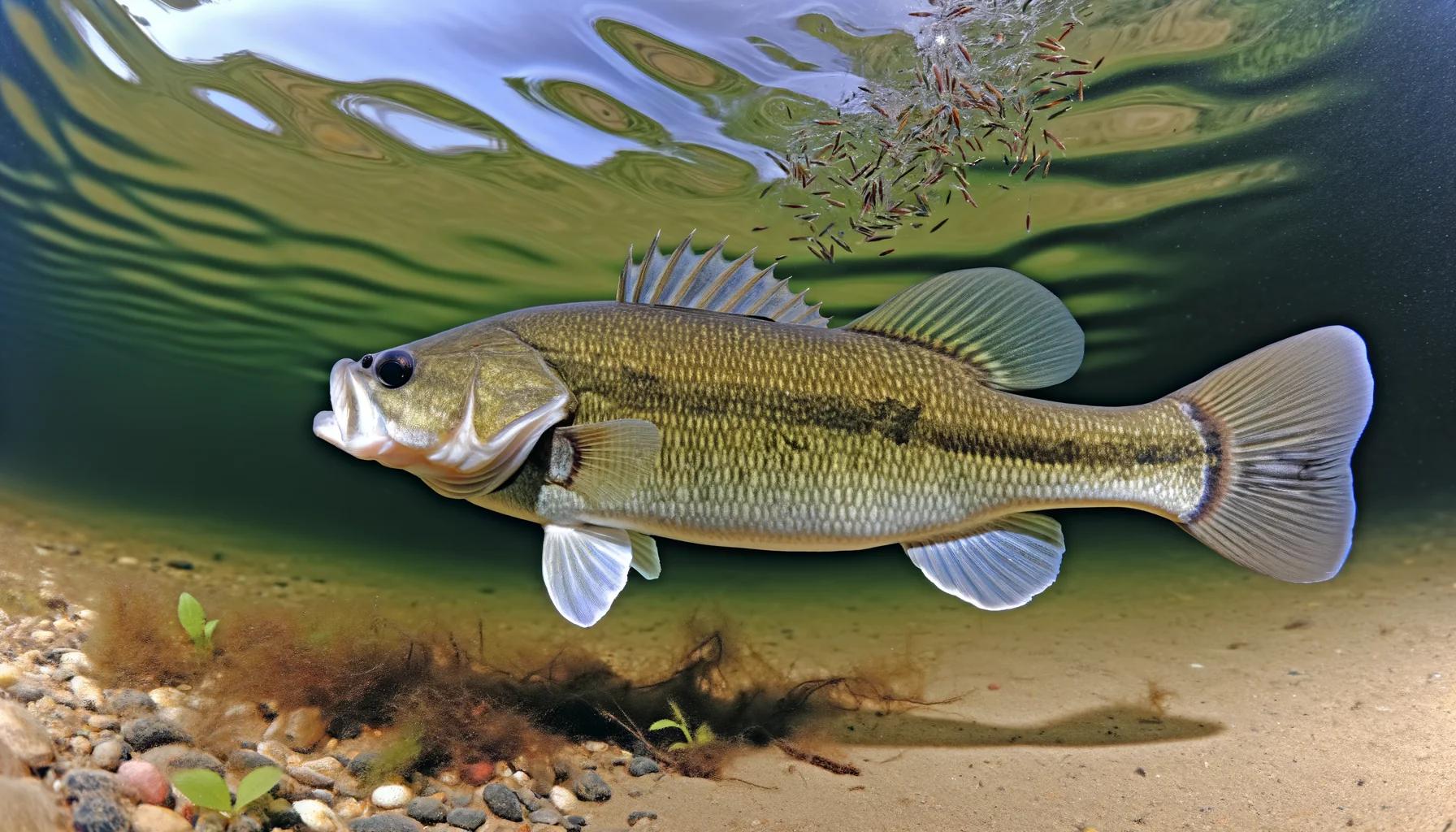
The smallmouth bass is arguably the hardest-fighting sport fish in Quebec's clear waters. Fast rivers, rocky lakes and crayfish-dotted bottoms are its kingdom. To fool it, you need a lure arsenal matched to its diet and its mood of the day. This guide reviews the best lures for smallmouth bass, from finesse rigs to explosive topwater. Before heading out, brush up with our smallmouth bass fishing guide.
Key takeaway — Smallmouth bass feed mainly on crayfish and minnows. In clear water, go with natural tones (brown, green pumpkin, silver) and a varied retrieve. Finesse rigs (Ned rig, drop shot, tube) rule when the bite is tough.
Finesse rigs: the tool for tough days
When the water is clear and the fish are wary, finesse makes the difference. These slow, subtle presentations mimic a vulnerable prey hugging the bottom.
- Ned rig: a short section of worm or creature on a light jighead. Unbeatable for passive bass, it wobbles on the bottom with the profile of a startled crayfish.
- Drop shot: the bait swims freely above the weight. Perfect for working a fish spotted on the sonar, imitating a suspended minnow.
- Tube: rigged on an internal head, it spirals and puffs bubbles as it falls — the ultimate crayfish imitation over rocky bottoms.
- Wacky / senko: a worm hooked in the middle that quivers at both ends as it sinks slowly. Deadly near structure and weed beds.
Suspending jerkbaits: trigger the strike
The suspending jerkbait excels in cool water, in spring and fall. Alternate sharp rod twitches with long pauses: it's often on the stop, when the lure hangs motionless mid-water, that a smallmouth strikes. Minnow tones (silver, blue back, grey) are perfect in clear water.
Crankbaits and minnow baits: cover water
To quickly explore a bay or a hole, nothing beats a crankbait. Models that dive and bang the rocky bottom trigger reflex strikes by imitating a fleeing crayfish. Minnow baits on a steady retrieve or twitching cover the upper layer efficiently when bass chase baitfish. Vary the depth until you find the active zone.
Spinnerbait: versatility and vibration
The spinnerbait shines in stained water or windy weather. Its blades vibrate and flash, drawing bass from a distance. Retrieve it mid-depth over weed beds or along rocky breaks. A Colorado blade for more vibration, a willow blade for more flash in clear water.
Topwater: the spectacular bite
Nothing beats a smallmouth exploding on a surface lure at dawn or dusk. Poppers, walk-the-dog stickbaits and whopper ploppers provoke ferocious hits in summer, especially over rocky shallows. Jerky retrieve, strategic pauses: let the fish commit.
Crayfish jig: the perfect bottom imitation
The jig dressed with a crayfish-shaped trailer is a must in cold water and on hard bottoms. Dragged slowly with small hops, it perfectly reproduces a crayfish moving among the rocks — the bronzeback's favorite meal. Favor brown, green pumpkin and craw-orange colors.
Lure table by conditions
| Lure | Conditions | Color / imitation |
|---|---|---|
| Ned rig | Clear water, passive fish | Green pumpkin, brown (crayfish) |
| Drop shot | Fish spotted on sonar | Natural silver (minnow) |
| Tube | Rocky bottoms, clear water | Brown, smoke (crayfish) |
| Wacky / senko | Structure, weed beds | Green pumpkin, natural |
| Suspending jerkbait | Cool water, spring/fall | Silver, blue back (minnow) |
| Crankbait | Bays, holes, wide areas | Crayfish, fire (craw) |
| Minnow bait | Bass chasing on surface | Silver, natural minnow |
| Spinnerbait | Stained water, wind | White, chartreuse |
| Topwater (popper, walker) | Dawn, dusk, summer | Natural, frog |
| Crayfish jig | Cold water, hard bottoms | Brown, green pumpkin |
Tips for choosing and working your lures
The golden rule: imitate the crayfish and the minnow, the two dominant prey of the smallmouth bass. In clear water, stay subtle with natural tones and light line. In stained or choppy water, dare brighter colors and noisier lures. Above all, vary your retrieve: speed up, slow down, add pauses — a change of pace often triggers the strike. Adjust to temperature too: finesse and slow in cold water, more active lures as the water warms.
To dig deeper into presentation and reading the water, see how to fish for smallmouth bass. And if you prefer natural bait, discover the best natural baits for this fish.
Ready to take action?
With the right lure on your line, all that's left is finding the spot. Don't forget the fishing license before you go, and explore our complete guide to learn everything about fishing in Quebec.
?Frequently asked questions
What is the best lure for smallmouth bass?
What lure color should I use in clear water?
Does the Ned rig really work for smallmouth?
When should I use a suspending jerkbait?
Is topwater effective for smallmouth bass?
Should I imitate crayfish or minnows?
Which rig for a fish spotted on the sonar?
How do I work a crayfish jig?
Why vary the retrieve?
Buyer’s guides