Pêcheur Québec
Published on June 30, 20265 min read
Dressed jigs, worm harnesses, crankbaits, spoons and the jigging rap: the best walleye lures in Quebec, when and how to present them.
Walleye is arguably Quebec's most sought-after fish — its delicate flesh and wariness make it a challenge that rewards precision. Picking the right lure changes everything. This guide reviews the best walleye lures, when to use them and how to present them to boost your catch. Before heading out, scout the right waters with our guide to the best walleye spots.
Key takeaway — Walleye hunt mostly near the bottom, at dawn and dusk. A slow presentation, bright colors in stained water and the right lure for the season: that's the winning recipe.
The dressed jig: the king rig
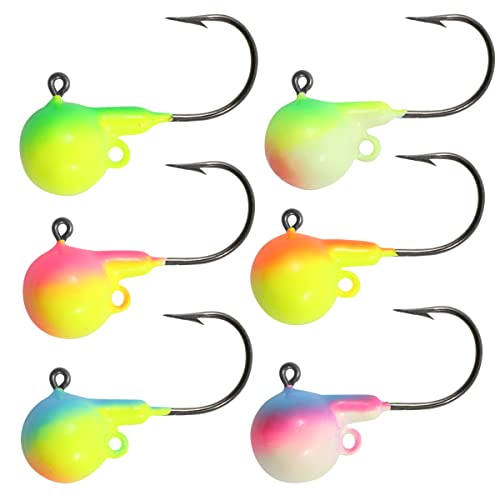
If you keep just one rig for walleye fishing, make it a jig head dressed with a worm or minnow, one of the best jigs for yellow walleye. Versatile, cheap and deadly effective, it lets you fish just above the bottom where walleye patrol. Match the weight to depth and current: 1/8 oz in shallow, calm water, up to 3/8 oz or more in current or depth. Tip the head with a nightcrawler, a live minnow or a soft plastic such as a curly tail, whose tail produces an enticing action that imitates a small baitfish.
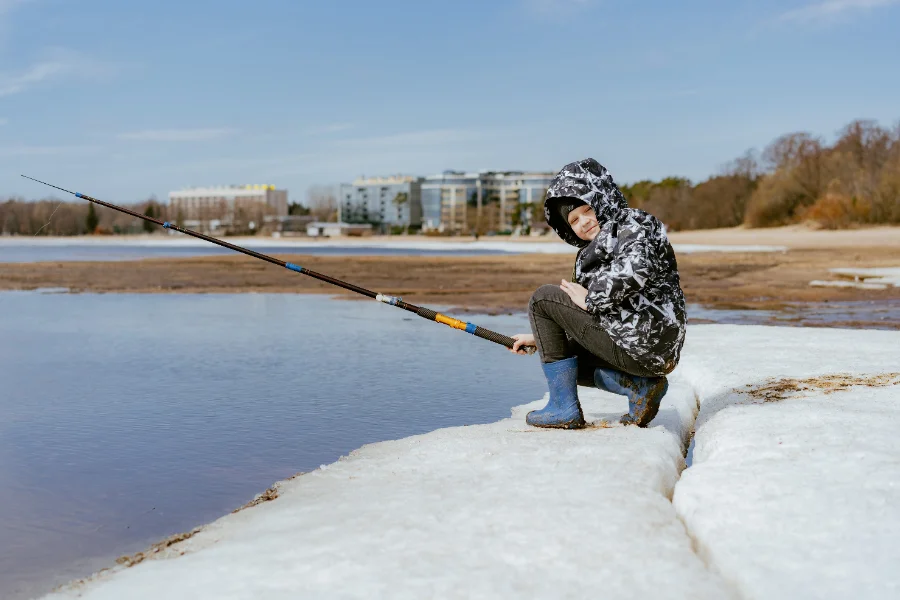
The technique is simple: let the jig fall to the bottom, then hop it back with short lifts (lift and drop) while keeping contact with the bottom, which lets you feel the substrate. Most bites come on the drop — stay alert for the slightest tap. To master shore fishing, read how to fish walleye from shore. And to pick the best worms and minnows, check out our fishing baits for more details on the baits worth using.
The worm harness (bottom bouncer) on a slow troll
When walleye scatter across flats or long shoreline edges, a slow troll with a worm harness behind a bottom bouncer (a bottom walker to some anglers) is hard to beat. The bottom bouncer keeps your harness right at the bottom without snagging, while the colored blades (Colorado or willow) throb and flash to draw fish from a distance; the same rig can also be tipped with leeches or a shiner depending on conditions — leeches work especially well on a slow drift. Troll at 1 to 2 km/h — slow, but that's the speed that triggers strikes, and a drift can work just as well when wind or current helps you cover the flats. Rotate blade colors until you find the day's winner: the right choice of blades and bait improves the harness's effectiveness.
Diving crankbaits and minnowbaits
To cover water fast in walleye fishing and target active fish, nothing beats a diving crankbait or a minnowbait. These lures mimic a fleeing baitfish, and their realistic look as much as their vibrations often triggers the strike — those vibrations are what a walleye picks up first in stained water; they shine when trolled along drop-offs and weed edges, or cast at first light. Pick a model, such as the Wally Diver, whose dive depth matches the fish; casting or trolling, adjust it to the depth the fish are holding at and favor natural finishes in clear water, bright hues in stained water.
Spoons: simple and effective
Often overlooked, the spoon (casting or trolling) is a sure bet. Its flash and vibration trigger reflex strikes, especially early season. Cast it, let it sink near the bottom, then retrieve slowly with varied cadence. Light to carry, it deserves a spot in every box.
The jigging rap: the winter weapon
Through the ice, the jigging rap (balanced jig) is the undisputed walleye champion. Its circular swim imitates a wounded fish, and this jigging action works very well through the ice or fished vertically, sparking aggression even in cold water. Work it with short vertical lifts just above the bottom, or a little lower in the water column depending on the fish's mood, then let it settle: the walleye often hits on the pause, often with success when the fish are sluggish. Vary sizes with the fish's activity.
Hooks: the part everyone skips
This is the link that costs the most fish, and no lure ranking ever mentions it.
Walleye have bony mouths and often bite on the very edge of the lips: a badly set hook comes loose on the first head shake. Three habits change everything.
Sharpen or replace. A hook that will not catch on your thumbnail needs replacing. The factory trebles on cheap crankbaits are often soft; swapping them for better trebles of the same size — same size, so the action stays balanced — noticeably improves the lure's effectiveness.
Single for the jig, treble for the crankbait. On a jig head, a single hook sets better in a hard mouth and comes out faster on release. On a crankbait, trebles are still needed: their job is to catch a fish that strikes sideways.
Match the size to the fish. Too big a hook spoils the action and shows; too small and it will not hold. On light-weight jigs on the drift, a fine medium-gauge hook is enough — the jig head does the work, not brute force.
One last tip: keep long-nose pliers in the box. Unhooking a deep-hooked walleye cleanly is what lets you release it alive.
Lure summary table for walleye
Lure summary list
Here is a shortlist of lures with a few usage tips, so you can choose fast depending on the situation.
| Lure | When | Tip |
|---|---|---|
| Jig + worm/minnow | All season, shore or boat | Keep bottom contact, set on the slightest tap |
| Worm harness (bottom bouncer) | Summer, fish scattered on flats | Troll 1-2 km/h, rotate blade colors |
| Diving crankbait / minnowbait | Active walleye, drop-offs and weeds | Match dive depth to the fish and adjust your line if needed |
| Casting/trolling spoon | Early season, cool water | Slow retrieve near the bottom |
| Jigging rap | Ice fishing (winter) | Work then let settle, bite on the pause |
Colors, presentation and time of day
A few elements make the difference. First, color: in clear water lean on natural tones (silver, white, perch); in stained or brown water bring out bright colors like chartreuse, fire orange or gold. Second, presentation: walleye are patient predators, so slow down and fish slowly, near the bottom, factoring in the gear you use to keep control of the lure. Third, timing: favor dawn and dusk, plus grey, windy days when the dim light makes them bolder; this tactic suits beginners as much as some experienced anglers.
With the right lure and a little patience, Quebec walleye will hold no more secrets. Don't forget the fishing license before your outing, and to master it all from A to Z, see our complete guide; keeping several types of lures on hand remains a good idea depending on light and depth.
?Frequently asked questions
What is the best walleye lure in Quebec?
What lure color should I choose for walleye?
What time of day do walleye bite best?
What jig weight should I use for walleye?
How do you troll for walleye?
What lure works for walleye through the ice?
Can you catch walleye on crankbaits?
Should you fish for walleye near the bottom?
Live bait, worm or lure: what do walleye prefer?
Buyer’s guides