Pêcheur Québec
Published on June 30, 20264 min read
Autumn is the season of big walleye feeding up before winter. Techniques, activity windows and the structure to target.
Fall is THE time to land a big walleye in Quebec. As soon as the water cools, walleye sense winter coming and start to feed heavily to build reserves. The result: they bite harder, and the biggest females, hidden all summer, finally leave their deep holds. If you want your trophy walleye, now is the time. Before heading out, check our guide to the best walleye spots to target the right waters.
Key takeaway — In fall, walleye follow schools of minnows and yellow perch toward deep structure and warming bays. Fish heavy (3/8 to 3/4 oz jigs), slow, near the bottom, and favour overcast days and the end of the day. Always check your zone's closing date before you go.
Why fall is the best season
When the water drops below 15 °C, the walleye knows winter is coming and that it will have to survive months under the ice. Its response is simple: eat as much as possible. It then feeds longer and more aggressively than at the peak of summer, when the heat made it lethargic and selective. Above all, big mature females, tucked away in deep cool water all summer, move up to hunt: fall offers the best chances of the season for a walleye over 60 cm, on quieter water.
Follow the food: minnows and perch
The golden rule of fall: find the food before you find the walleye. Schools of minnows and young yellow perch gather in huge concentrations and migrate toward deep structure and slightly warmer bays. Walleye follow them like a shadow.
Look for these key features:
- Breaklines where the bottom drops sharply from 3-4 m to 8-12 m;
- Rocky points and shoals that plunge toward a hole;
- Deep bays sheltered from the wind, where baitfish pile up;
- River mouths and current zones.
Your sonar becomes your best ally: a big cloud of bait pinned to structure almost always betrays walleye below or along the edge. To find that structure near you, the spots map will save you time.
Techniques that work in fall
Cold water and deep fish call for a heavier, slower approach than in spring. Here are four methods that deliver.
The heavier jig
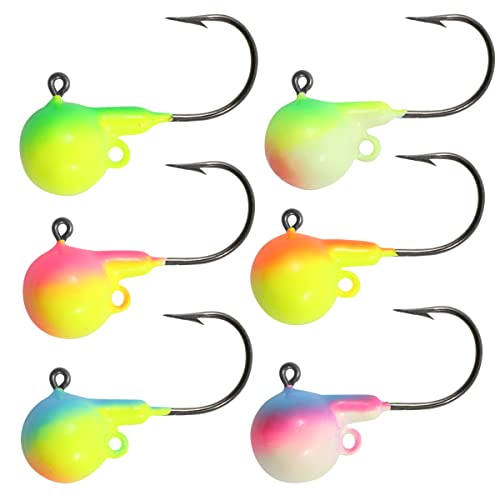
The jig remains the number-one walleye weapon, but in fall you go heavier: 3/8, 1/2, even 3/4 oz to keep bottom contact in 8 to 15 m of water and in strong wind. Tip it with a big live minnow or a bulky soft plastic. The key is slowness: drag gently, let the jig scrape the bottom, add pauses.
Big live minnows
In fall, walleye want big mouthfuls. Break out the large minnows (8-12 cm) on a drifting bottom rig, a Lindy rig, or under a slip float. A big minnow struggling near the bottom is irresistible to a big female looking to load up.
Trolling deep crankbaits
To cover water and locate active fish, nothing beats trolling deep-diving crankbaits. Pick lures that reach 4 to 8 m and run them along breaklines, points and hole edges. Vary your speed (often 3 to 4 km/h in cold water) until the first strikes.
Vertical jigging on sonar
Once you've located a school of walleye pinned to the bottom, vertical jigging is deadly. Hold right above with your electric motor, drop a jig or spoon straight down, and work it with short snaps followed by pauses. You see your presentation and the fish on the screen. To choose your rigs, see the best walleye lures.
The best activity windows
Walleye hate bright light: their eyes, fitted with a reflective layer (tapetum lucidum), are built for low light. Use this biology.
- Grey, overcast days: a cloudy sky extends activity all day long — often the best outings of the season.
- End of day and dusk: as the light fades, walleye move up onto shoals to hunt. The last hour before dark is golden.
- Windy days: wind stirs the water and puts walleye at ease. The famous "walleye chop" is no myth.
Conversely, a bright, windless midday will often be the toughest.
Respect the closure by zone
Crucial point: the walleye season closes on different dates depending on the zone. Several zones close as early as late fall (often late October or early November) to protect the fish ahead of spawning; others stay open longer.
Catching a walleye after the closure, even by accident, costs you dearly in fines and harms the resource. Always check your zone's regulations before every fall outing; catch and size limits also apply. See the closing dates by zone to fish legally.
In summary
Fall rewards the patient, mobile angler: follow the food, fish heavy and slow near deep structure, exploit grey days and watch your zone's closure. It's your best shot of the year at a trophy walleye. To go further, dive into our complete guide.
?Frequently asked questions
Why is fall so good for walleye fishing?
Where do you find walleye in fall?
What jig weight should you use in fall?
Should you use big minnows in fall?
Does trolling work for fall walleye?
What is vertical jigging on sonar?
What are the best hours to fish walleye in fall?
Why does wind help walleye fishing?
When does walleye season close in Quebec?
Buyer’s guides