Pêcheur Québec
Published on June 26, 20263 min read
The round goby is invading the St. Lawrence. How to identify it, why it is banned as bait and where to report it.
An Invader from Afar
The black-spotted goby (Neogobius melanostomus) is not a fish from here. Originating from the Black and Caspian Seas in Eastern Europe, it crossed the Atlantic hidden in the ballast water of merchant ships and colonized the Great Lakes in the early 1990s. Since then, it has moved up to the St. Lawrence River, where it is spreading rapidly. Small, voracious, and resilient, this bottom fish is now one of the most monitored aquatic invasive species in Quebec — and anglers have a direct role to play in slowing its spread.
How to Recognize It
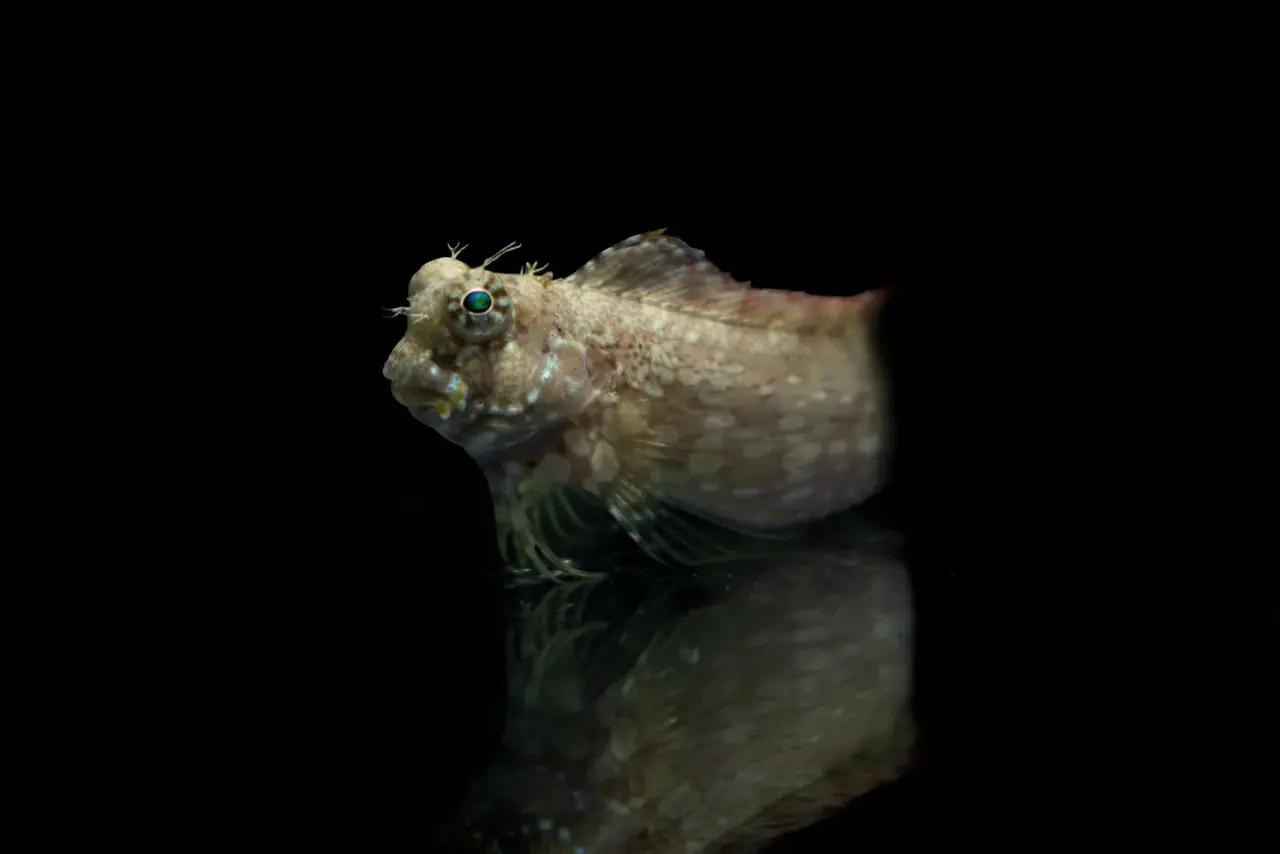
The black-spotted goby generally measures 10 to 18 cm (sometimes up to 25 cm). Three unmistakable clues:
- Pelvic fins fused into a suction cup: under the belly, its two fins form a single disc, like a small suction cup. This is its absolute signature — no native fish in the river has this characteristic.
- Clearly visible black spot at the back of the first dorsal fin.
- Bulging and closely-set eyes, perched high on the head, resembling a frog.
Its body is stout, brown-gray marbled, sometimes almost black in males during spawning season. It is sometimes confused with the sculpin (a native species), but the sculpin has two separate pelvic fins, never a suction cup.
Why It's a Problem
The goby is not just another fish in the river: it is a formidable competitor.
- It devours the eggs and fry of our native species, including the stickleback, sculpin, and even the yellow perch.
- It monopolizes the habitat and food of local bottom fish, which it eventually displaces.
- It is extremely prolific: the female spawns several times during the summer, and the male fiercely guards the nest, causing populations to explode.
- It acts as a vector for botulism: it feeds on zebra mussels (another invasive species) that concentrate the toxin, and then birds that eat the gobies can die from it.
Result: where the goby establishes itself in large numbers, the balance of the ecosystem shifts.
How It Spreads — and the Role of Anglers
The goby initially travels through ballast water, but anglers can unintentionally accelerate its spread: by using it as bait or by transporting live fish from one body of water to another.
This is one of the reasons why Quebec has banned the use of live bait and the transport of live fish since April 1, 2017. The black-spotted goby is among the species that should NEVER be used as bait, even dead. A single thoughtless act can seed a new lake for decades.
What to Do If You Catch One
- Do not release it back into the water. Unlike the usual catch-and-release rule, an invasive species should never be released.
- Identify it (the suction cup under the belly + the black spot on the dorsal fin) and take a photo.
- Report it to the ministry via the Sentinelle tool for invasive exotic species, or by phone at 1 877 346-6763, noting the exact location and date.
- Clean your gear — boots, boat, bucket, lures — before moving to another body of water to avoid transporting eggs or larvae.
A Small Gesture, a Big Impact
Learning to recognize the black-spotted goby, never moving it, and reporting every catch: these are simple actions that genuinely protect our lakes and rivers. The fight against invasive species does not rest solely on biologists — it starts at the end of your line. To do things right, also keep in mind the rules regarding bait and Quebec regulations before each outing.
?Frequently asked questions
Is the black-spotted goby dangerous to humans?
Can you eat the black-spotted goby?
Why shouldn't you release the goby back into the water?
Where should you report the presence of a black-spotted goby?
How do you distinguish the goby from a native sculpin?
Buyer’s guides