Pêcheur Québec
Published on June 30, 20265 min read
The complete guide to muskie fishing in Quebec: telling muskie from northern pike, the best lures, when to cast, the figure-8, gear and 15 FAQs.
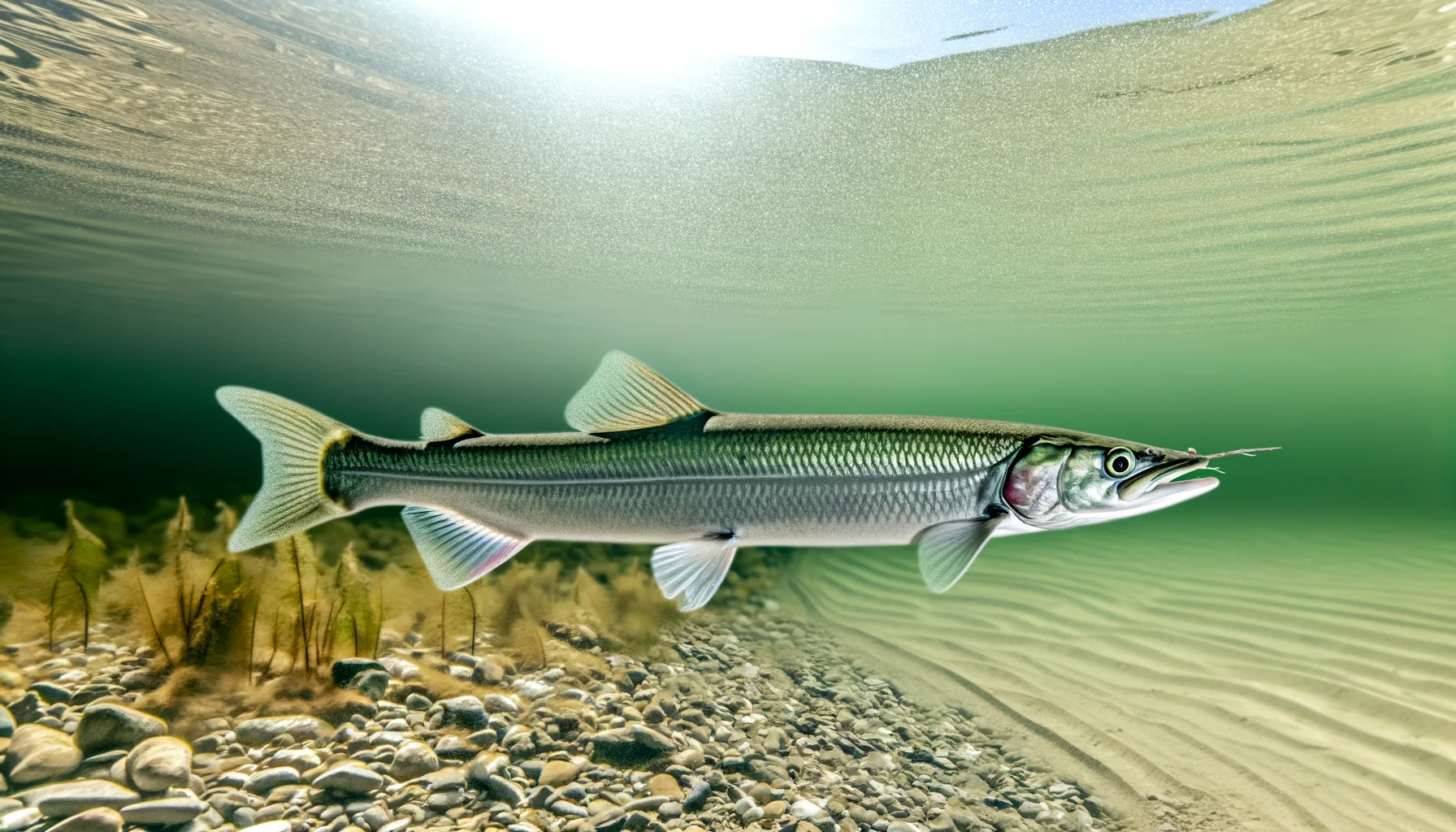
The muskellunge (Esox masquinongy), or muskie, is the ultimate trophy fish of Quebec waters. Nicknamed "the fish of 10,000 casts," it demands patience, sharp water reading and gear that can handle it. It is the largest member of the pike family (Esocidae): a big specimen can exceed 1.5 m and 20 kg. Fishing for muskie means accepting hours of casting without a bite for the day when a top-of-the-food-chain predator finally explodes on your lure. This complete guide covers identification, the best lures, timing, hook-setting technique, gear, and where to find it. For biology, see the muskie species page.
Key takeaway — The muskie is the largest of Quebec's pikes (often 1 m or more), a difficult fish that rewards persistence. A standard fishing license is enough: muskie is covered. Fall = trophy season.
Muskie vs. northern pike: how to tell them apart
Confusing the muskie with the northern pike is common — both share the same elongated shape and toothy jaws. Yet several clues settle it on the water. The most reliable rule: count the sensory pores under the lower jaw.
| Feature | Muskie | Northern pike |
|---|---|---|
| Average size | 70 cm to 1.5 m+ | 45 cm to 1.2 m |
| Trophy weight | 15 to 20+ kg | 8 to 15 kg |
| Coloration pattern | Pale background, dark markings | Dark background, pale markings |
| Flank markings | Dark vertical bars or spots | Rows of light "bean" spots |
| Pores under jaw | 6 to 9 per side | 5 or fewer per side |
| Tail-fin tips | More pointed | More rounded |
| Cheek/gill-cover scales | Upper half only | Cheek fully scaled |
| Difficulty | Very high | Moderate |
Memory aid: the muskie is pale with dark markings, the pike is dark with pale markings. When in doubt, the pores under the jaw never lie.
The best muskie lures
The muskie is a sight hunter that reacts to large prey. You fish big: lures of 15 to 30 cm are standard, and some rigs top 35 cm late in the season. Here are the key families to carry.
| Lure type | When to use | Main strength |
|---|---|---|
| Bucktails / spinnerbaits | Summer, active water, searching | Flash and vibration, covers water |
| Jerkbaits (minnow-baits) | Clear water, following fish | Erratic triggering action |
| Topwater (prop, walk-the-dog) | Dawn, dusk, hot summer | Spectacular surface strikes |
| Big swimbaits | Fall, big fish | Realistic, bulky profile |
| Gliders (non-diving jerkbaits) | Wary fish, cold water | Wide, slow zigzag glide |
- Bucktails and spinnerbaits: the starting point. Cast and retrieve at a steady speed; they excel at locating active fish and covering large areas.
- Jerkbaits: minnow-shaped lures worked with short rod snaps. The irregular action mimics a wounded baitfish.
- Topwater: reserved for low light and hot summer, they draw explosive surface attacks.
- Big swimbaits: unbeatable in fall when muskies load up on calories before winter.
- Gliders: worked in a slalom; their wide, slow glide convinces difficult or following fish.
Key takeaway — Vary the speed and above all the profile of your lures. A muskie that follows without striking will often change its mind if you switch lure types on the next cast.
When to cast: the best times
Muskie can be fished from spring (at the opener per your zone's regulations) until the fall close. Two windows stand out.
- Hot summer: fish are active and aggressive. It is the best time to cover water with bucktails and to draw topwater strikes at dawn and dusk. Bite numbers are higher than at any other time.
- Fall (the trophies): as the water cools, the biggest specimens feed hard for winter. This is the record-fish season, with big swimbaits and gliders worked slowly. Fewer bites, but noticeably heavier fish.
Generally, low light, approaching weather fronts and pressure changes all boost activity.
How to set the hook on a muskie
A muskie's mouth is bony and bristling with teeth. A soft hook-set almost always ends in a lost fish.
- Powerful hook-set: the moment you feel weight or the line takes off, deliver a hard, firm hook-set — sometimes two — to drive the hooks into a hard mouth.
- The figure-8: the muskie's signature move. At the end of the retrieve, when the lure nears the boat, don't lift it out: plunge the rod tip and trace wide 8s with the lure alongside the hull. A fish that followed without biting very often strikes right then. Make wide loops (no tight turns) and vary the depth. Make it a reflex on every cast.
Key takeaway — Do a figure-8 at the end of every cast, even if you saw no follower. A large share of muskies are caught right beside the boat.
Gear for muskie
Fighting a predator this size and power demands rugged tackle — light gear breaks or needlessly exhausts the fish.
| Item | Recommendation |
|---|---|
| Rod | Heavy (heavy/XH), 8 to 9 feet, to cast big lures and work the figure-8 |
| Reel | Rugged casting reel, high capacity, strong smooth drag |
| Main line | 65 to 80 lb braid, no stretch for a firm hook-set |
| Leader | Heavy fluorocarbon (80-130 lb) or wire, essential against teeth |
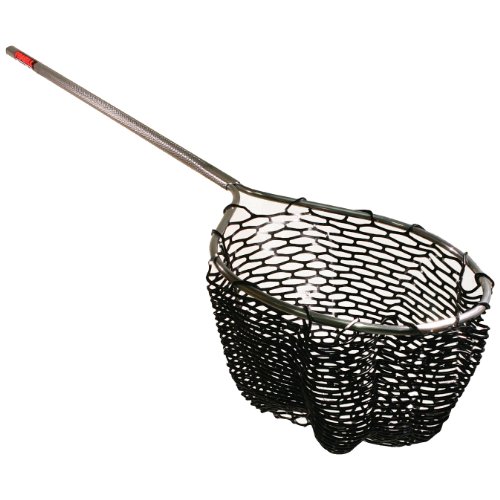
| Accessories | Large cradle net, long pliers, hook cutter, gloves |
An abrasion-resistant leader is non-negotiable: without it, teeth slice the line in a second. Also keep tools ready for a fast, safe release — muskie is a fish you almost always let go.
Where to find muskie in Quebec
Muskie inhabit large lakes, slow rivers and bays rich in weed beds, structure and drop-off edges. Rather than guessing, locate the waters that hold them and the productive sectors on our spots map. Always cross-check with the zone's regulations: open seasons, sizes and release rules vary from one area to another.
Ready for the challenge?
Muskie rewards patient, methodical anglers. Get the right fishing license, rig a heavy rod with a strong leader, adopt the figure-8 on every cast, and go hunt the fish of a lifetime on the spots map.
?Frequently asked questions
Is the muskie the largest fish in the pike family?
How do you tell a muskie from a northern pike?
Why is the muskie called the fish of 10,000 casts?
Do you need a special license to fish muskie in Quebec?
What are the best muskie lures?
What is the best time to fish for muskie?
What is the figure-8?
Should you do the figure-8 on every cast?
How do you set the hook on a muskie?
What rod should you use for muskie?
What line and leader for muskie?
Is a muskie dangerous to handle?
Where do you find muskie in Quebec?
Should you release muskie?
How big can a muskie get?
Buyer’s guides