Pêcheur Québec
Published on June 30, 20263 min read
Complete guide to spring walleye fishing in Quebec: why post-spawn walleye are so aggressive, where to find them (shallow flats, river mouths), the best techniques (jig and worm, light bottom rig), depths, the opener by zone and cold-water safety.
Spring walleye fishing is one of the most anticipated moments of the Quebec fishing calendar. Right at the opener, walleye come out of an intense period and turn especially aggressive — it's the perfect time to fill the cooler or simply reconnect with the water after winter. To scout the best waters first, read our guide to the best walleye spots, then come back here to master the seasonal techniques.
Key takeaway — In spring, walleye are post-spawn, aggressive and shallow. Target warmed shallow flats, river mouths and sun-exposed bays with a jig tipped with a worm or a light bottom rig. Respect the opener (3rd Saturday of May, depending on the zone) and spawning-protection periods.
Why spring is a key moment
Walleye spawn early, usually when the water hits 6 to 10 °C, over the gravel and rock bottoms of rivers and rapids. Once spawning ends, the fish — especially males, which linger on the beds — actively look to rebuild their reserves. That makes them easier to catch than at almost any other time of year.
This "post-spawn" window features walleye holding near the surface and the shore, in water that is still cold but warming fast under the sun. Unlike summer, you don't need to search the depths: the fish are where food and warmth concentrate.
Where to find walleye in spring
Focus your effort on the areas that warm up fastest:
- Shallow flats: gravel or sand plateaus, 1 to 3 metres deep, exposed to afternoon sun.
- River mouths: current brings food and oxygen and gathers walleye moving up to spawn or dropping back down.
- North-facing shallow bays that catch the sun and hold the first schools of minnows.
- Edges of cattails and submerged structure, where walleye ambush prey.
Early in the season, the warmest water may be just a degree or two higher — and that is enough to concentrate activity. A simple water thermometer becomes a valuable tool.
Opener and spawning protection
In Quebec, the walleye opener generally falls around the 3rd Saturday of May, but the exact date varies by zone. Some zones open later precisely to protect walleye during the spawn — a principle essential to the long-term health of the species. Fishing a walleye on its spawning bed before the opener directly harms reproduction and the resource.
Before every outing, check the opening dates by zone: it's your responsibility to know your area's regulations. Catch limits and sizes can also differ from one zone to another.
Effective spring techniques
The watchword in spring is slow. Cold water slows the walleye's metabolism: a calm, subtle presentation almost always beats a fast retrieve.
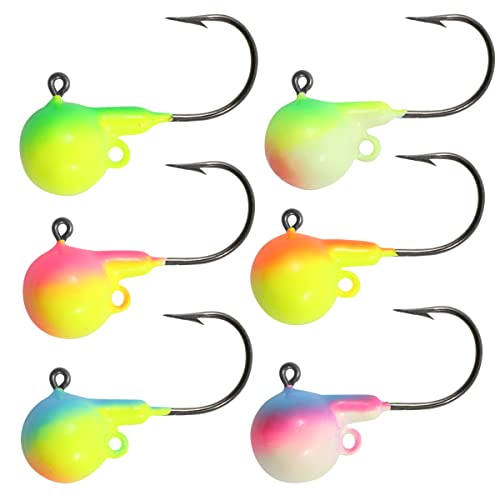
- A jig tipped with a worm (nightcrawler or jig worm) is the safe bet. A 1/8 to 1/4 oz jighead, a threaded worm, and a slow crawl on or just above the bottom: unbeatable.
- A light bottom rig (walking rig or lightened bottom bouncer) lets you slowly drag a worm or live bait along the flats without snagging.
- Small soft plastics on a light jighead imitate minnows and trigger strikes late in the day.
For more on choosing lures by conditions, read the best walleye lures. Fish mostly in the late afternoon and at dusk, when shallow water is at its warmest and walleye — a fish with excellent night vision — move closer to shore.
Depth: stay shallow at first
Very early in the season, don't overlook very shallow water, sometimes less than a metre. As the water warms and the sun climbs, walleye gradually slide out to 3 to 5 metres. Start shallow, then go deeper if bites become scarce.
Clothing and cold-water safety
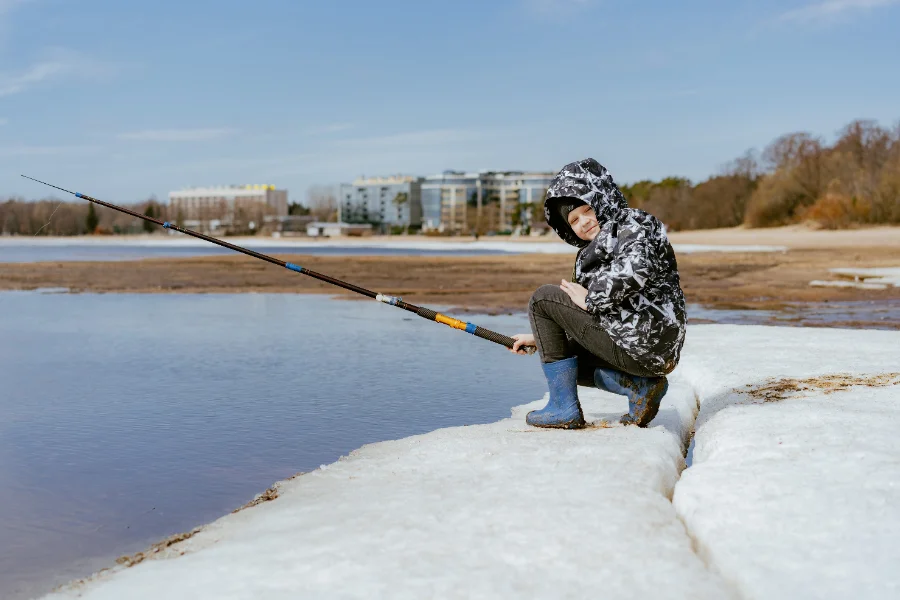
May water is still frigid. Falling overboard can cause cold shock within seconds. Always wear your personal flotation device (PFD), dress in layers (including a waterproof windbreaker), keep dry spare clothes on hand, and tell someone your route. Cold-water caution is not optional.
Ready for the season
Before heading out, make sure you have a valid fishing licence and know your zone's limits. To review everything — species, techniques, regulations and gear — keep our complete guide close by. Have a great season, and may the walleye bite hard!
?Frequently asked questions
When does spring walleye fishing open in Quebec?
Why is walleye so active in spring?
What depth should I fish walleye in spring?
What is the best technique for spring walleye?
Where can I find walleye in spring?
Can you fish walleye during the spawn?
What is the best time of day for spring walleye?
What jighead weight should I use in spring?
How do I stay safe in cold water in spring?
Buyer’s guides