Pêcheur Québec
Published on June 30, 20263 min read
Finding walleye in Quebec: the structure that concentrates them — drop-offs, shoals, points, weed beds and river mouths.
The walleye is Quebec's most sought-after gamefish — but before you learn how to catch it, you need to know where to find it. This guide teaches you to locate walleye on any body of water, recognize the structures that concentrate them, and pick productive lakes and rivers. For named, mapped locations, see our guide to the best walleye spots in Quebec instead.
Key takeaway — Walleye are never scattered at random: they follow low light, baitfish schools, and hug structure (breaks, shoals, rocky points, river mouths). Find the structure and the food, and you'll find the walleye.
Understand walleye to know where to look
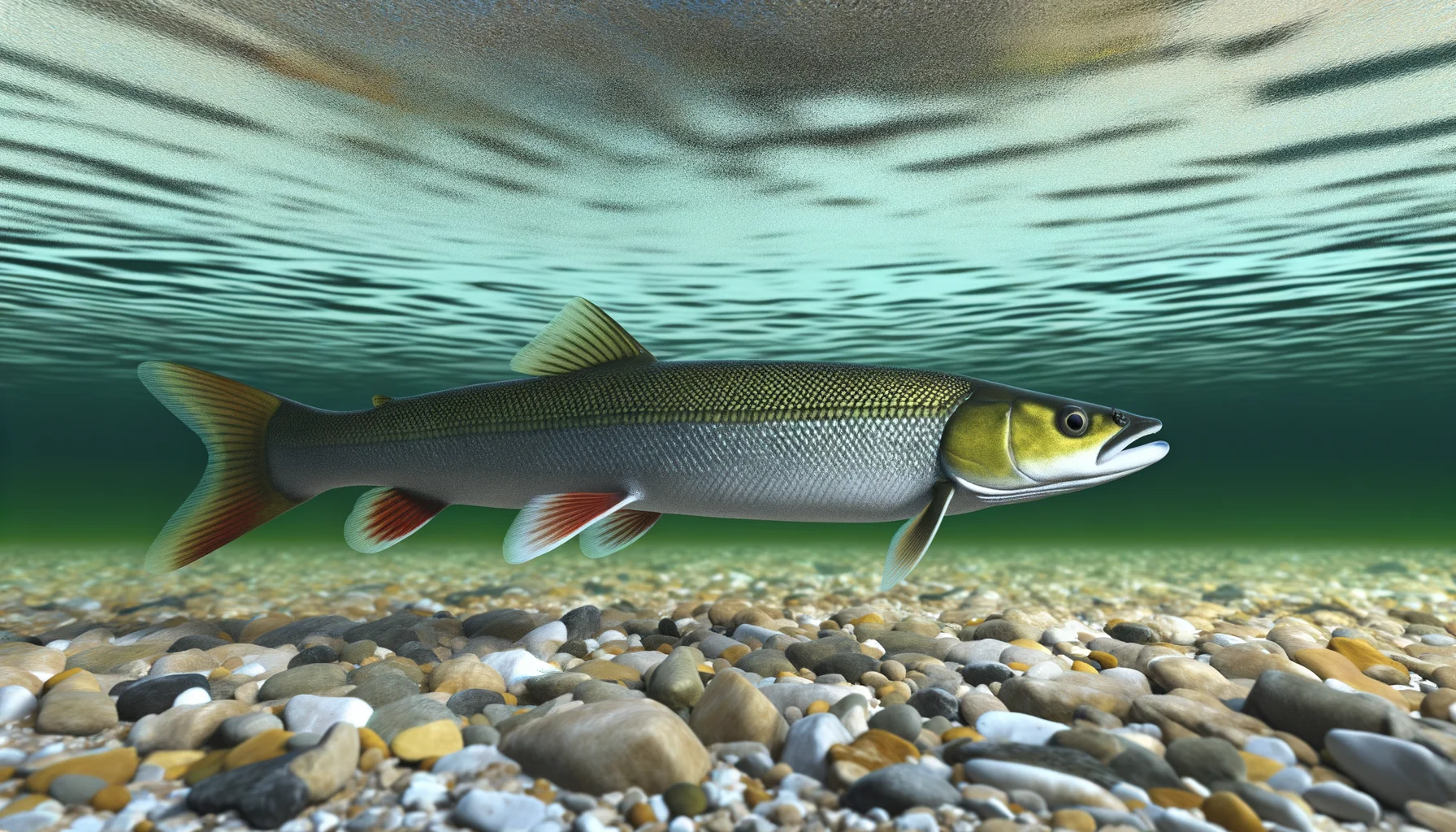
Walleye are predators that hate bright light. Their eye, lined with a reflective layer, makes them deadly at dusk, dawn, at night, and under overcast skies or wind-stained water. By day they drop to deeper, shaded zones; in low light they move up to feed on the shoals. This simple rule — walleye follow low light and prey — explains almost all their movements. Spot where the baitfish (yellow perch, shiners, alewives) hold, and you've found the walleye's dinner table.
The structures that concentrate walleye
Walleye rarely sit in open water without a reason. They patrol specific structure — changes in bottom or vegetation that trap prey:
- Breaks — where the bottom drops from one depth to another. This is the walleye highway: it follows the break and climbs the flat to feed.
- Shoals near a hole — a plateau, bar, or flat rising next to deep water. Walleye move up to feed in low light and slide back to the depths by day.
- Rocky points and reefs — points jutting into the lake and submerged rocky humps break the current and hold prey.
- Weed edges — the outer edge of a weedbed, not the middle: walleye hunt along that line between vegetation and open water.
- River mouths and confluences — where a river or creek enters the lake, current delivers food and oxygen and gathers prey.
Add river holes, bridge pilings, docks, and any current break: walleye want to spend as little energy as possible while staying near the pantry.
Which waters hold walleye in Quebec?
Walleye range across much of southern and central Quebec, but some water types are far more productive:
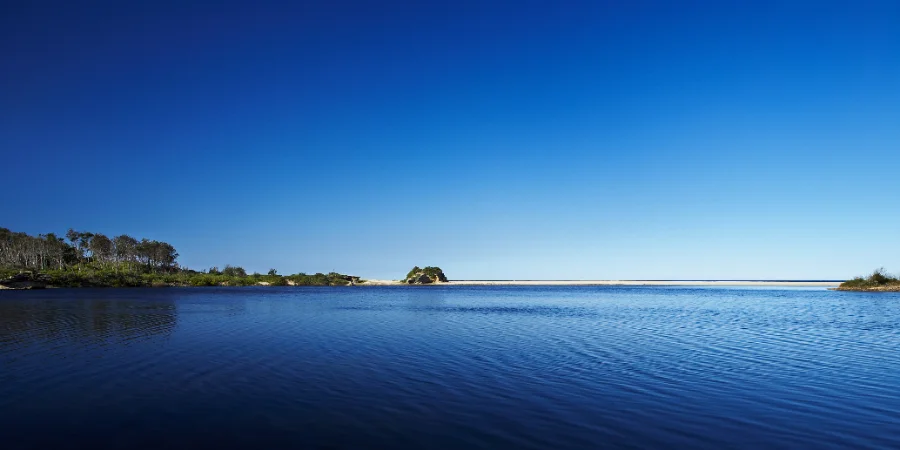
- Large lakes — vast, relatively shallow lakes with mixed bottoms (sand, gravel, rock) and plenty of perch are walleye factories. Look for bays, shoals, and major breaks.
- Reservoirs — hydroelectric reservoirs, often huge, offer flooded structure (old shorelines, stumps, channels) that walleye love. Their water is frequently stained, which extends daytime activity.
- The St. Lawrence River and large rivers — stretches of the river, the Ottawa, the Saint-Maurice, and other big rivers hold walleye in abundance. Focus on holes, confluences, and channel edges.
Each type fishes a little differently, but the logic stays the same: structure + prey + low light. To see which species live where, the walleye species profile summarizes its habitat and behavior, and the interactive spots map shows the waters documented by the community.
Use a sonar and a depth map
You can't "read" an unfamiliar body of water by eye. Two tools change everything:
- The bathymetric map (paper or app) reveals breaks, shoals, and holes before you even launch. Look for tightly packed depth lines — those are your breaks.
- The sonar (fish finder) confirms on site the exact depth, bottom type, presence of prey, and sometimes the walleye themselves. Look for arches near the bottom and clouds of baitfish.
Without sonar, rely on visible structure — points, river mouths, weed edges, docks — and fish at dusk, when walleye rise within reach.
Where to go now?
You now know what to look for; the rest is choosing where. Explore the interactive spots map to find walleye water near you, then dig deeper with our guide to the best walleye spots in Quebec. Before heading out, make sure your fishing license is in order, and for everything else — techniques, seasons, regulations — keep our complete guide handy.
?Frequently asked questions
Where do you find walleye in a lake?
How deep do walleye hold?
What is the best time of day to fish for walleye?
How do you spot a break?
Do walleye prefer clear or stained water?
Which waters are best for walleye in Quebec?
Do I need a sonar to find walleye?
Can you catch walleye in rivers?
Where can I see specific walleye spots in Quebec?
Buyer’s guides