Muskellunge (maskinongé) fishing in Quebec
— Esox masquinongy · the "fish of 10,000 casts"
The muskellunge (maskinongé in French, Esox masquinongy) is the largest freshwater predator in Quebec — adults regularly exceed 100 cm and the Quebec record sits well above 130 cm. It's also one of the hardest fish to target ("fish of 10,000 casts"). Quebec is one of the very few places in the world with healthy native populations of muskie. Below: the top waters, the gear, the technique, and the 2026 rules.
2026 rules
- •Limit: typically 1 muskellunge per day (verify per zone — many waters require catch-and-release only)
- •Minimum length: varies per water body (111 cm common minimum in the south, no minimum in some northern waters)
- •Catch-and-release recommended on ALL muskies — populations recover slowly (lifespan 25-30 years)
- •Lake à la Tortue (zone 7): maximum length limit REMOVED in 2026 (was capped previously)
- •Season: typically 3rd Saturday of June to mid-December (varies)
- •Authorized waters: most southern Quebec zones — verify regpec
Top muskie waters in Quebec
Lake Saint-François (zone 9)
Quebec's premier muskie lake — large fish, structures, accessibility from Salaberry-de-Valleyfield.
Lake Saint-Pierre archipelago (zones 7-8)
Trophy-class — 103 islands of shallow weedy bays. See /blog/peche-lac-saint-pierre-guide.
Ottawa River — Lake of Two Mountains (zone 9)
Diverse habitat, mixed pike + muskie, big-fish potential.
Lake Memphrémagog (Estrie)
Cross-border lake (US side known as Lake Memphremagog) — clear-water muskie.
Lac Massawippi (Estrie)
Less famous but solid population.
Rivière des Outaouais (zone 9-10)
Long stretches with weedy bays — trolling productive.
Lake Champlain (Quebec side)
Cross-border fishery, big trophy potential.
Techniques + gear
- •Rod: 8'-9' heavy or extra-heavy — fast action mandatory for muskie hooksets
- •Reel: low-profile baitcaster 300-400 size, gear ratio 7:1+, heavy-duty drag
- •Line: 80-100 lb braid + 100-130 lb fluorocarbon or wire leader (10-18")
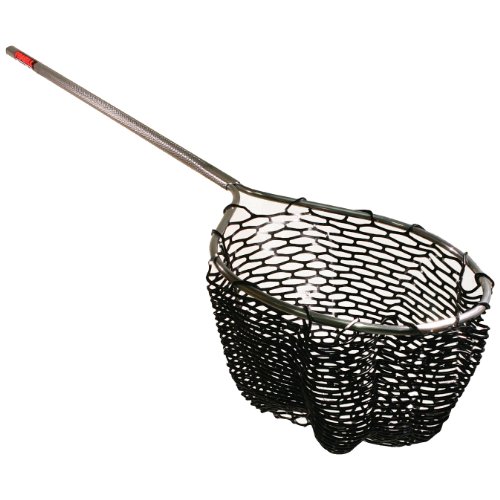
- •Net: oversized muskie net (40-48"+) with rubber-coated mesh — minimizes slime loss
- •Top lures: bucktails (Mepps Musky Killer, Cowgirl), glide baits (Phantom Softail), large jerkbaits (8-12"), topwaters (Top Raider, Pacemaker)
- •Boat sonar with side-imaging — find weed edges, drop-offs, suspended fish
- •Hook removal tools: long-nose pliers, jaw spreader, hook cutters — for safe release
How to fish for muskie
- →Cast and retrieve large lures (8-12") along weed edges, points, river mouths
- →Figure-8 at boat-side on every retrieve — muskies often follow without striking until the lure changes direction
- →Troll big crankbaits and bucktails along break lines (5-10 m depth)
- →Best time: low-light periods (dawn, dusk, overcast), water temp 15-22°C
- →Best season: fall (September-November) for biggest fish — pre-winter feed
- →Patience — most muskie outings yield zero fish. The reward when you connect is otherworldly.
Catch-and-release best practices
- ✓Keep the fish IN the water as much as possible — large muskies suffer organ damage from being lifted vertically
- ✓Use the oversized net to handle the fish — avoid lifting by the jaw
- ✓Photo within 30 seconds, water back on the fish
- ✓Cradle gently with one hand under the belly, support the jaw — do NOT hold by gills
- ✓Revive by moving forward in the water until it swims off on its own (1-3 minutes)
- ✓Pinch barbs on lures to make release fast
See also
Buyer’s guides