Northern pike fishing in Québec: lures and techniques
— technique guide · where, when & how
The northern pike is an ambush predator built for explosive strikes: a long body, a mouth full of needle-sharp teeth and a notoriously aggressive temperament. In Québec it thrives in weedy lakes and slow rivers across most of the province, hammering anything that looks like an easy meal. This guide covers where pike hide through the seasons, the lures that trigger them, why a bite-proof leader is non-negotiable, and how to handle these toothy fish safely before releasing them.
The pike: an ambush predator
Pike lie motionless among cover, then accelerate in a short, violent burst to engulf prey. Their teeth are razor-sharp and angled backward, which is exactly why they cut through ordinary monofilament — and why your hands and your line both need protection. Aggression is their defining trait: a pike will often follow a lure to the boat and strike at the last second, so keep retrieving until the lure is out of the water.
Where to find pike
- •Spring: shallow weedy bays and flooded vegetation that warm first — pike spawn early and stay shallow afterward.
- •Summer: weed edges, the outside line of cabbage beds and drop-offs where deeper, cooler water meets cover.
- •Fall: main structure — points, rock piles, river mouths and breaks — where big pike feed heavily before winter.
- •All season: look for any transition between shallow cover and deeper water; pike ambush along these edges.
When to fish
- •Spring, post-spawn: one of the most productive windows — hungry pike in warming shallows.
- •Summer: fish early morning and late evening when pike are most active; midday they hold deeper and near cover.
- •Fall: prime time for the biggest specimens fattening up before the ice.
- •Winter: pike are a classic ice-fishing target on tip-ups (brimbale) baited with live or dead baitfish.
Techniques & lures
1Spinnerbait
A weedless workhorse for covering water over and through vegetation; the flash and vibration call pike out of cover.
2Spoon (wobbling lure)
The classic pike lure — a heavy wobbling spoon casts far, sinks to any depth and imitates a wounded baitfish on the retrieve.
3Jerkbait
Twitched and paused, a jerkbait darts erratically and triggers reaction strikes from following or neutral pike.
4Grub / swimbait
Soft-plastic swimbaits and large grubs on a jig head give a natural swimming profile — deadly slow-rolled along weed edges.
5Steel or heavy fluoro leader
Non-negotiable: a wire leader or a heavy fluorocarbon shock leader prevents bite-offs from those backward-facing teeth.
6Streamer (fly fishing)
Big baitfish-pattern streamers on a 8–10 wt fly rod take pike spectacularly in shallow water — pair with a wire bite tippet.
Safe handling & release
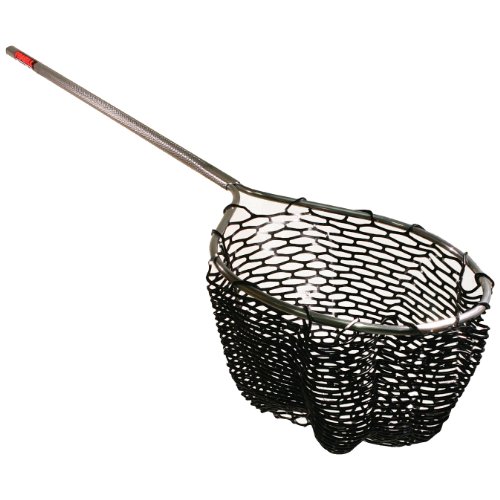
Pike are tough but their teeth and your hooks make handling risky for both of you. Keep a long pair of pliers and a jaw spreader within reach to free deeply set hooks safely. Support the fish horizontally, never hang it vertically by the jaw, and avoid putting fingers near the gills. Minimize air time, revive the fish facing into the current until it kicks free, and a knotless rubber net protects its slime coat.
Common mistakes
- ✕Tying straight to mono or braid with no leader — pike teeth cut you off and you lose the lure and the fish.
- ✕Stopping the retrieve at the boat — many pike strike in the last metre, so finish every cast.
- ✕Lifting a big pike vertically by the jaw, which can injure its spine and jaw.
- ✕Reaching into the mouth without pliers or a jaw spreader — a thrashing pike and treble hooks are a bad combination.
- ✕Fishing the open middle of a lake — pike relate to cover and edges, not empty water.
Limits, sizes and open seasons vary by zone and change each year. Always check the current rules before keeping a pike.
Limits, sizes and open seasons vary by zone and change each year. Always check the current rules before keeping a pike.
Buyer’s guides