Pêcheur Québec
Published on June 30, 20263 min read
Brook trout fishing in Quebec: where to find them, the quiet approach they demand and the techniques that actually work.
The brook trout — properly called Salvelinus fontinalis — is the iconic fish of Quebec's lakes and streams. Feisty, wary and delicious, it has to be earned. This guide explains how to fish it: where to find it, how to approach without spooking it, and which simple techniques work best. For the big picture, see our brook trout fishing guide and our complete guide.
Key takeaway — The brook trout is a char (Salvelinus), not a true trout. It lives in cold, clear, oxygenated water. Fish it discreetly, early in the morning or on cloudy days, with a worm under a float, small lures or a fly. Release the fish you don't keep.
Where to find brook trout
Brook trout are picky about water quality. Look in cold water (ideally below 18-20 °C), clear and well oxygenated — headwater lakes, forest streams, swift rivers. Focus your efforts on:
- Deep holes and pools, where trout retreat when the surface warms.
- Stream mouths, where cold water and food enter the lake.
- Under structure: fallen trees, rocks, docks, stumps, weed beds — brookies love cover.
- Cold springs and seeps, precious in high summer.
In spring, right after the opening, they feed near the surface and shorelines. In summer they drop to cooler, deeper zones.
Above all, a stealthy approach
Brook trout are extremely wary. In clear water they spot the angler from afar and feel the slightest vibration. Three rules:
- Approach quietly along the bank or paddle silently. Avoid casting a shadow on the water.
- Stay low-key: neutral clothing, slow movements, no banging in the boat.
- Cast from a distance and let the water settle before working a promising spot.
A disturbed trout stops biting. Patience and finesse beat force.
The basic techniques
Three simple approaches cover most situations. For bait choices, see the best trout baits and the brook trout species sheet.
Worm under a float
The classic, deadly method to start. A worm on a small hook (size 8-10), under a light float, 60-120 cm deep. Let it drift naturally near structure. Simple, cheap, very effective in spring.
Small lures
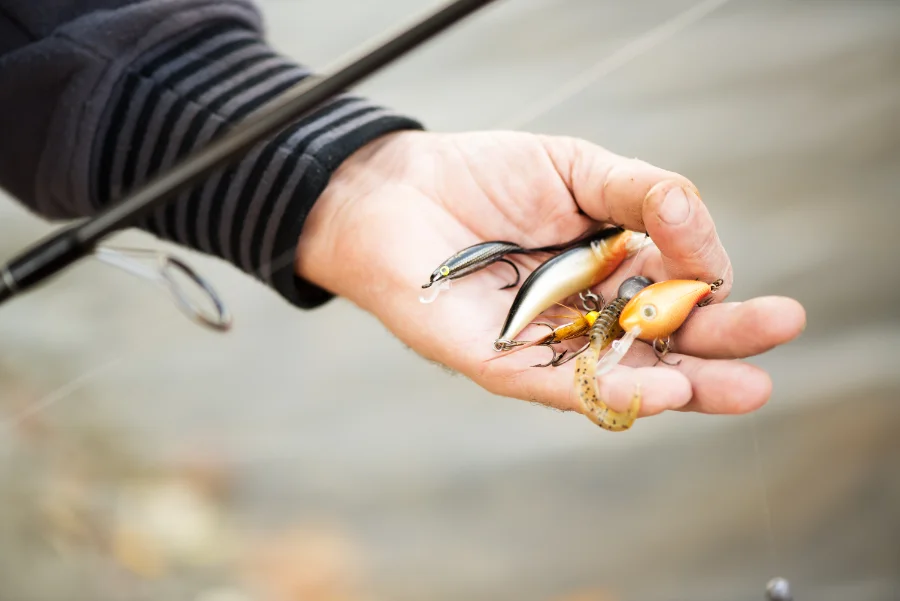
Spoons and spinners (2-5 g) imitate a minnow and trigger strikes. Silver, gold or bright patterns depending on the light. Retrieve slowly, with pauses. Great to cover water and find active trout.
Fly fishing
The classic art for brookies. Dry flies during surface hatches, nymphs and streamers the rest of the time. In a stream, a delicate upstream presentation fools the wariest fish.
Reading the water to find fish
Knowing how to read the water makes the difference. Spot the changes: a current seam carrying food, a depth break, a shadow zone under a tree, darker water marking a hole. Trout hold where they spend little energy while watching the pantry: behind a rock, along a current edge, at the junction of fast and calm water.
The key moments
Timing matters as much as technique. Brook trout are most active:
- Early morning and late day, when light is low and water cooler.
- On cloudy or overcast days, even in a light rain — they are less wary and feed longer.
- In spring and fall, when water is cold. In high summer, favor dawn and deep zones.
A grey sky often beats bright sun for trout.
Release: fishing for tomorrow
Brook trout are a fragile resource. If you won't keep it, practice careful release: wet your hands, handle the fish as little as possible, remove the hook quickly (a barbless hook helps) and release it facing the current until it swims off on its own. Always respect your zone's catch and size limits.
Before heading out, make sure you have the fishing license and check the opening dates for your area. Good fishing!
?Frequently asked questions
Is the brook trout a true trout?
Where do you find brook trout in Quebec?
What is the best bait for brook trout?
When is the best time to fish for brook trout?
Why do you need to be stealthy for brook trout?
How deep should you fish for brook trout?
What line and hook should you use?
Do you need a license to fish brook trout?
How do you properly release a trout?
Go further
Buyer’s guides