Chargement...
Complete guide
Yellow Perch
Overview
The yellow perch, also known as perch, is one of the most popular fish among anglers in Quebec. It is prized not only for its delicious flesh but also for its abundance and ease of capture, making it ideal for beginner anglers. It is mainly found in the lakes and rivers of southern Quebec, although it is also present in the north. Although it is not as combative as the walleye or pike, the yellow perch offers a pleasant fight, especially when caught on light tackle. Its abundance and schooling behavior make it a prime target for those looking to quickly fill their quota.
Angler indices
Identification
Identification
The yellow perch has an elongated, laterally compressed body, typical of fish in the Percidae family. Its color varies from yellow-green to gold, with sides adorned with 6 to 8 dark vertical stripes. Its mouth is of medium size, adapted to catch a variety of prey. The dorsal fins are divided into two distinct parts: the first spiny and the second softer. Its caudal fin is slightly forked, and the pelvic and anal fins are often tinged with red. The scales are small and rough, offering little resistance to water. Young yellow perch are generally paler and have less pronounced patterns. During spawning, males develop a brighter hue, enhancing their coloration to attract females.
How to tell it apart
The yellow perch can be confused with white perch, but a few characteristics differentiate them.
| Criteria | Yellow Perch | White Perch |
|---|---|---|
| Size | 15 to 25 cm | 20 to 30 cm |
| Color | Yellow with dark stripes | Silver with indistinct stripes |
| Dorsal fin | Two distinct parts | Continuous |
Distribution in Quebec
Distribution in Quebec
The yellow perch is widely distributed in the lakes and rivers of southern Quebec, particularly in the Laurentians, Outaouais, and Eastern Townships. It is also found in the St. Lawrence River and its tributaries. Although less abundant in the north, it can be found in some more isolated bodies of water. Its range extends to James Bay, although populations there are more sparse. The yellow perch prefers clear, moderately deep waters but adapts well to more turbid environments.
Habitat
Habitat
The yellow perch favors lakes and rivers with sandy or muddy bottoms, often dotted with aquatic vegetation. It is usually found at depths ranging from 2 to 6 meters, although it may dive deeper in summer to find cooler waters. Structures such as rocks, docks, and submerged trees are preferred spots for yellow perch, as they provide shelter and food. It is particularly active in areas where currents are moderate, making it easier to search for food.
Life cycle
Life cycle
Yellow perch spawn in the spring when water temperatures reach around 7 to 10 °C. Females lay between 5,000 and 100,000 eggs, often on aquatic plants or submerged structures. The eggs hatch after about 10 to 15 days, releasing fry that will initially feed on plankton. Young yellow perch grow quickly and reach sexual maturity in 2 to 3 years. As they age, their growth slows, but they can live up to 12 years under optimal conditions. Spring → Spawning → Summer → Rapid growth → Fall → Intensive feeding → Winter → Slowed metabolism.
Behaviour
Behaviour
The yellow perch is a schooling fish, often observed in groups, especially during the summer months. It is not particularly territorial, but it may defend a food-rich area. Sensitive to changes in light, it is more active during low-light periods, such as dawn and dusk. It reacts moderately to noise and disturbances, making it an accessible target even in less than ideal fishing conditions.
Diet
Diet
The diet of the yellow perch varies with age and season. Fry primarily feed on plankton, while juveniles and adults consume a wider variety of prey, including aquatic insects, small fish, and crustaceans. In summer, the yellow perch is particularly active and may hunt larger prey, while in winter, its metabolism slows, and it settles for smaller, easier-to-catch prey.
Seasons & best times
Seasons & best times
In spring, the yellow perch is active as soon as the water temperature rises, coinciding with the spawning period. Summer is the best time to fish for it, as it is more active and feeding intensively. The best times are early morning and late evening. In fall, the yellow perch prepares for winter by increasing its fat reserves, making it even more aggressive towards bait. During winter, it is less active but still catchable with ice fishing techniques. Weather conditions influence the behavior of yellow perch: it is more active in overcast weather and when barometric pressure is stable.
Fishing techniques
Fishing techniques
Jig fishing
Use a small jig with a weighted head and a soft lure. This technique is effective year-round, especially in summer. Make vertical movements with your rod to animate the jig. Avoid overly fast animations that may scare the yellow perch.
Bobber fishing
Ideal for beginners, this method involves using a bobber to keep a natural bait like a worm at a chosen depth. Perfect for shallow areas in summer. Ensure the bobber is visible and adjust the depth according to fish activity.
Vertical jigging
Very effective in winter under the ice. Use a small spoon or metal lure and make vertical movements to attract yellow perch. This technique requires patience but can be very productive.
Light casting
Use a light rod and spinning reel with lures like spinnerbaits. Ideal for covering a large surface area of water. Cast and retrieve slowly to mimic an injured fish. Avoid fast retrieves that may alarm them.
Drop shot fishing
Advanced technique for targeting yellow perch in depth. Use a sinker at the bottom of the line and a floating bait above. Allows targeting fish near the bottom. Ensure the bait is visible and adjust the length of the leader according to depth.
Lures & colours
Recommended lures & flies
In clear waters, prioritize lures in natural colors like green or brown. In murky water, brighter colors like chartreuse or orange may be more effective. Silver or gold metal spoons work well in sunny weather, while matte colors are better in overcast conditions. For deep fishing, use lures that emit vibrations or reflections to attract yellow perch's attention.
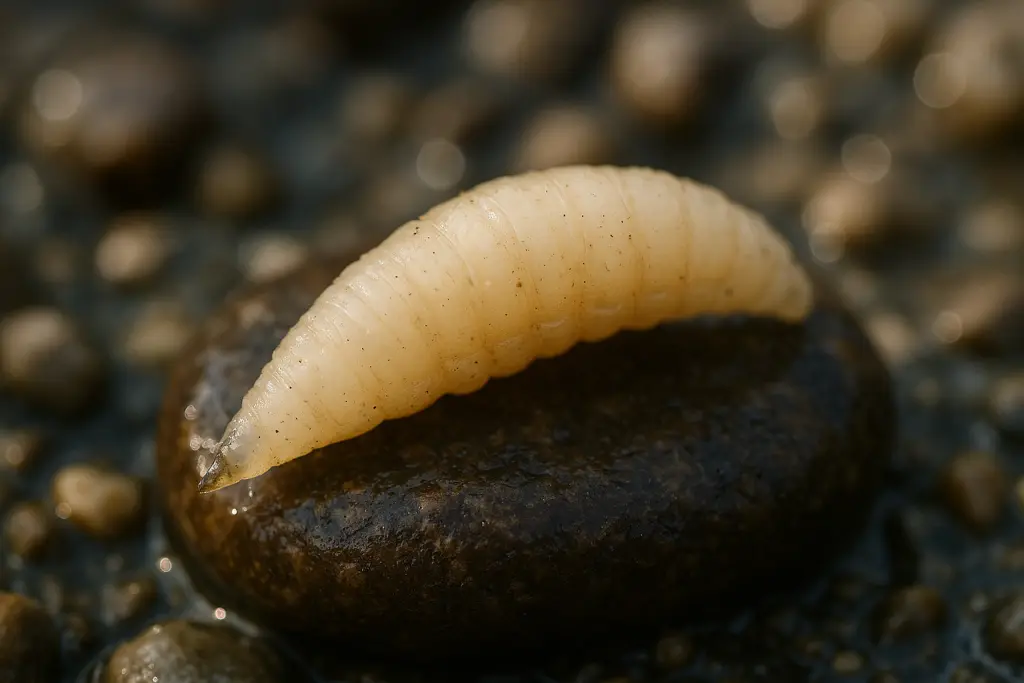
Asticots
Ideal for yellow perch, brook trout, and sunfish, effective in calm and clear water.
★★★★
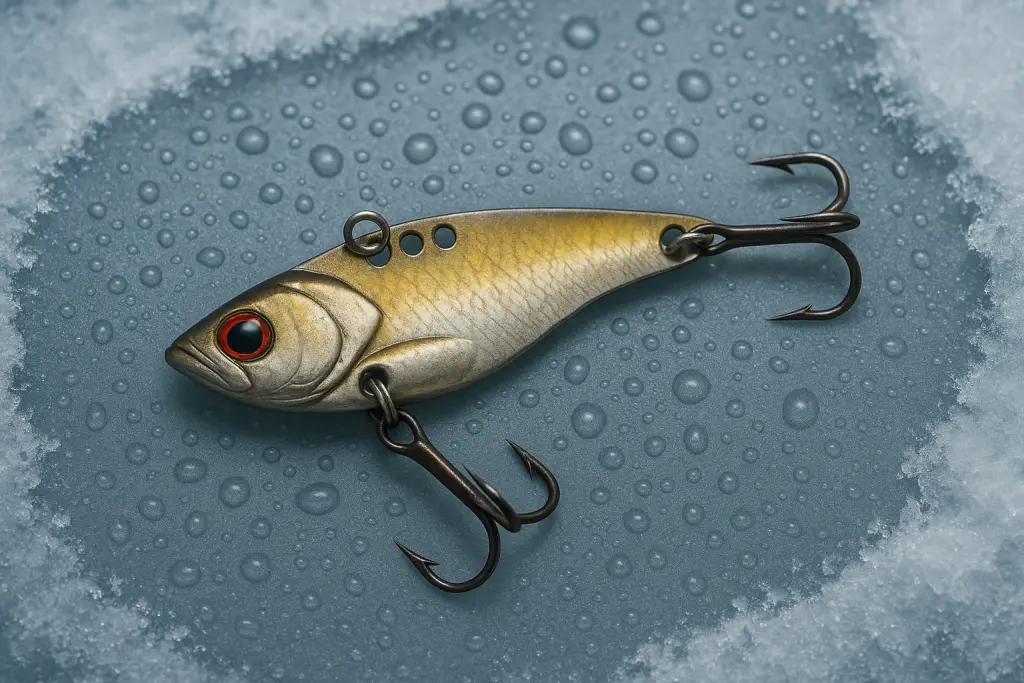
Blade bait
Ideal under the ice for yellow perch and walleye, irresistible vibrations.
★★★★
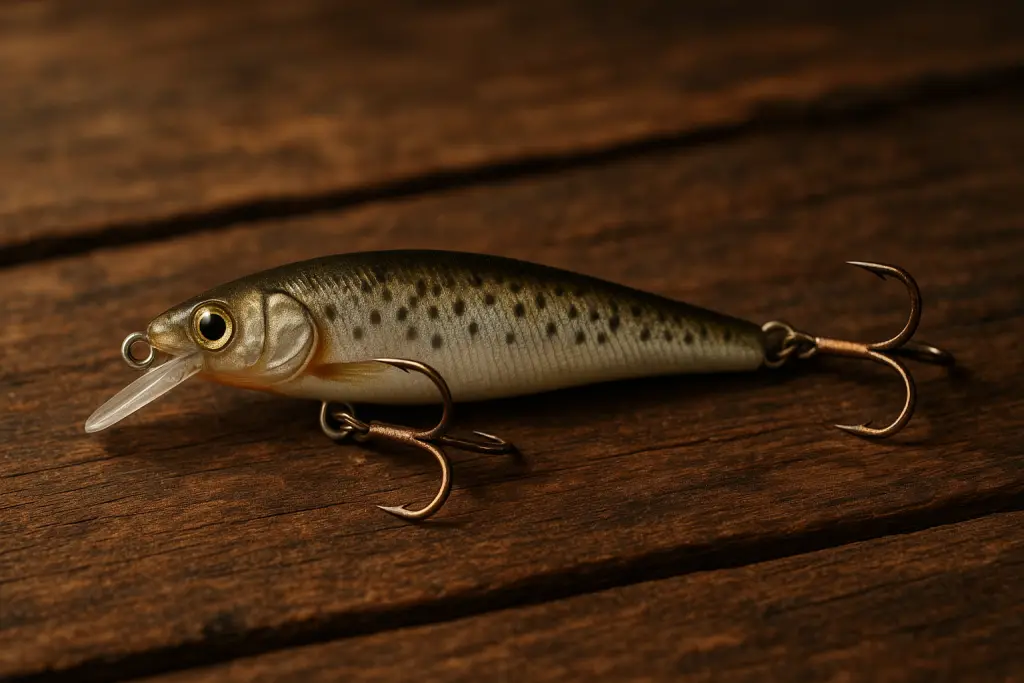
Deadstick minnow
Perfect for icy days, effortlessly attracts walleye, pike, and perch.
★★★★
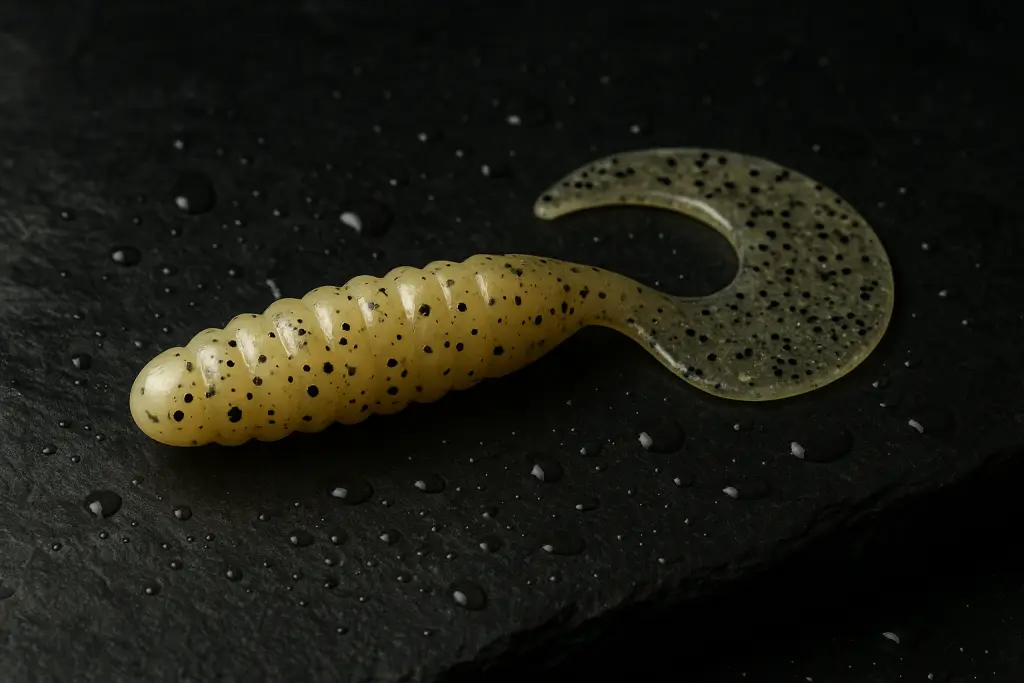
Grub
Irresistible soft grub for walleye, perch, and bass, perfect for clear or stained waters.
★★★★
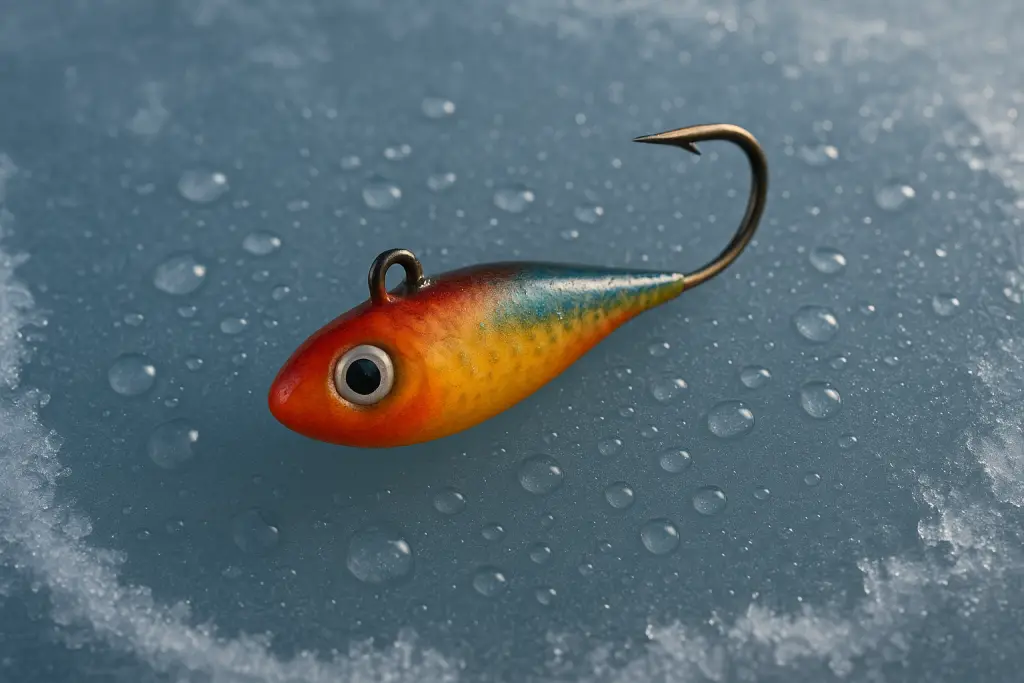
Ice jig
Ideal for ice fishing, attracts perch, yellow pike, and sunfish.
★★★★★
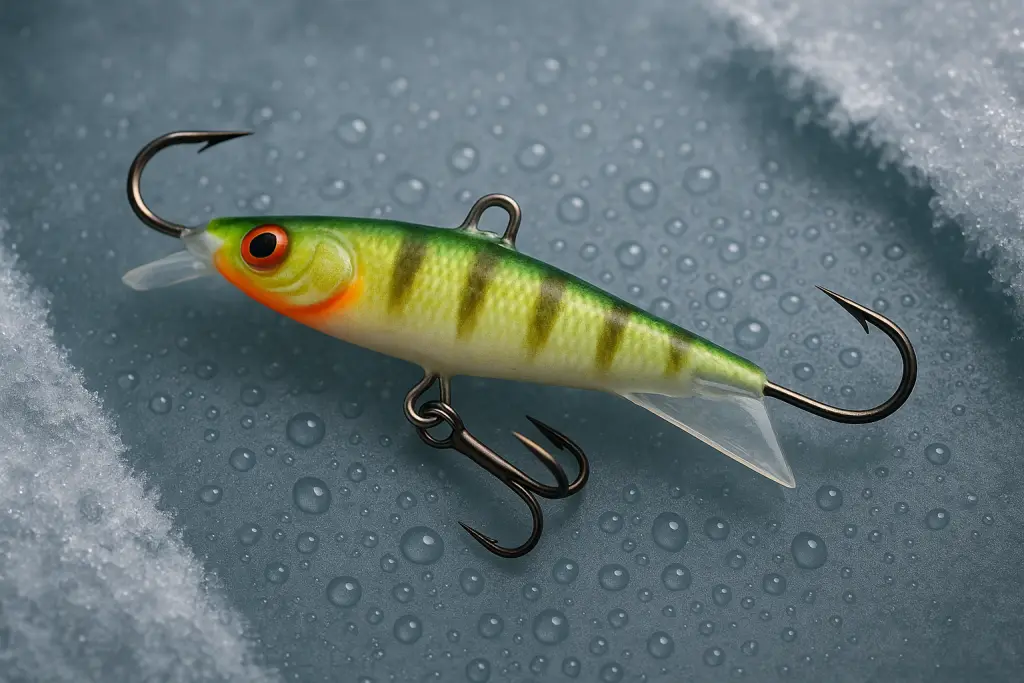
Jigging Rap
The #1 lure for ice-fishing walleye. Horizontal circle motion mimicking a wounded falling baitfish.
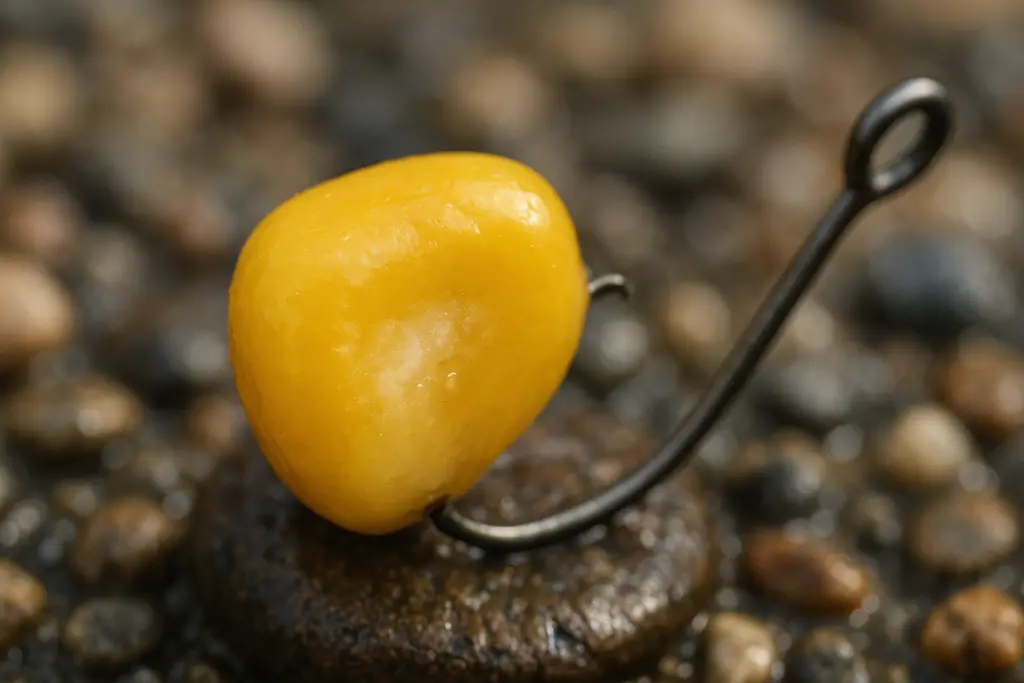
Maïs
Irresistible corn for carp, brook trout, and perch, ideal in calm and clear waters.
★★★
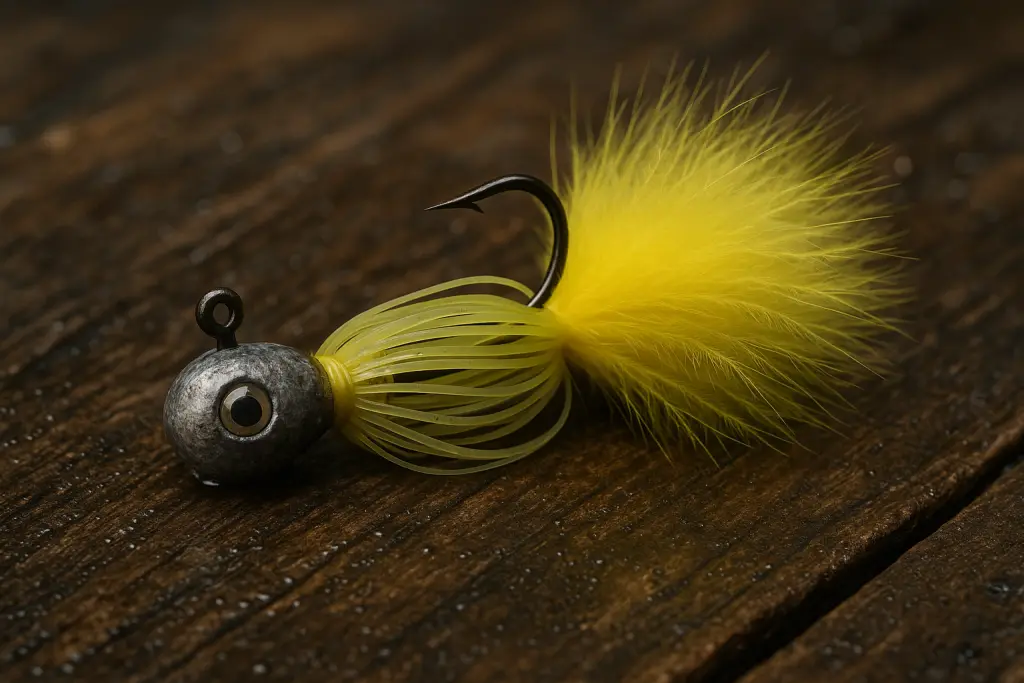
Marabou jig
Perfect for perch and yellow walleye, the marabou jig excels in murky water.
★★★
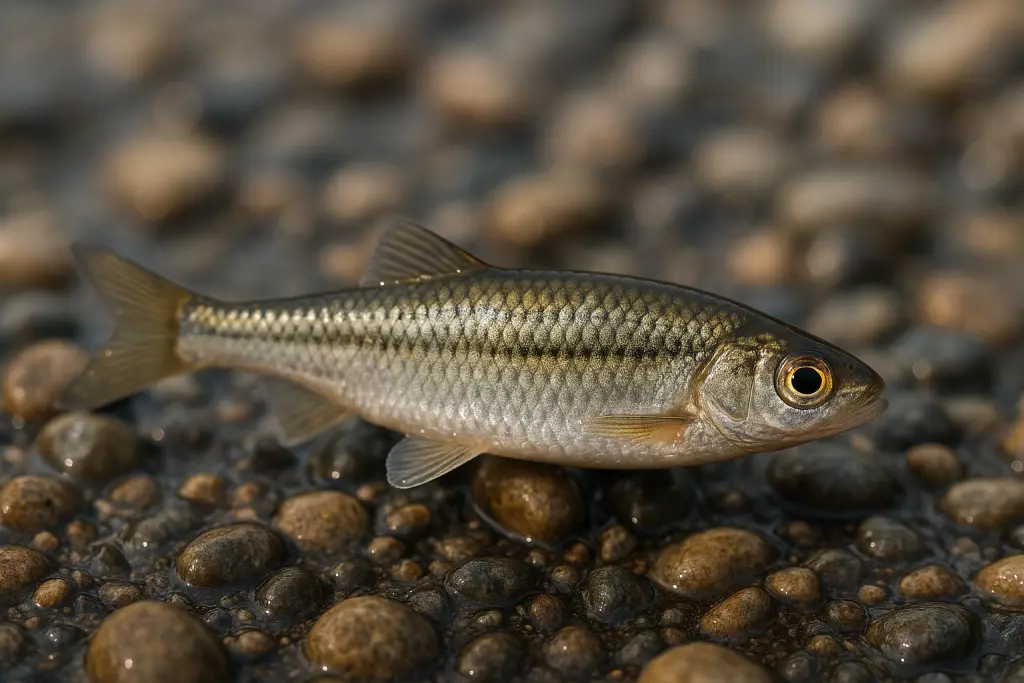
Méné vivant
Ideal for yellow perch and pike, live minnow attracts in still or murky waters.
★★★★★
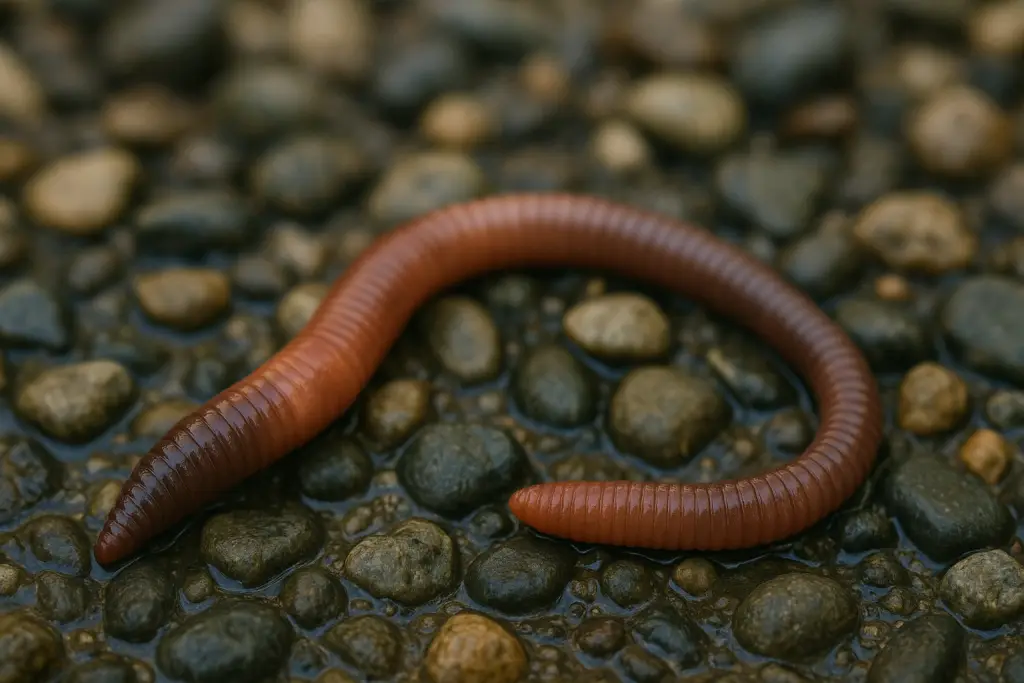
Nightcrawler
Live earthworms, perfect for enticing walleye, perch, and bass.
★★★★★
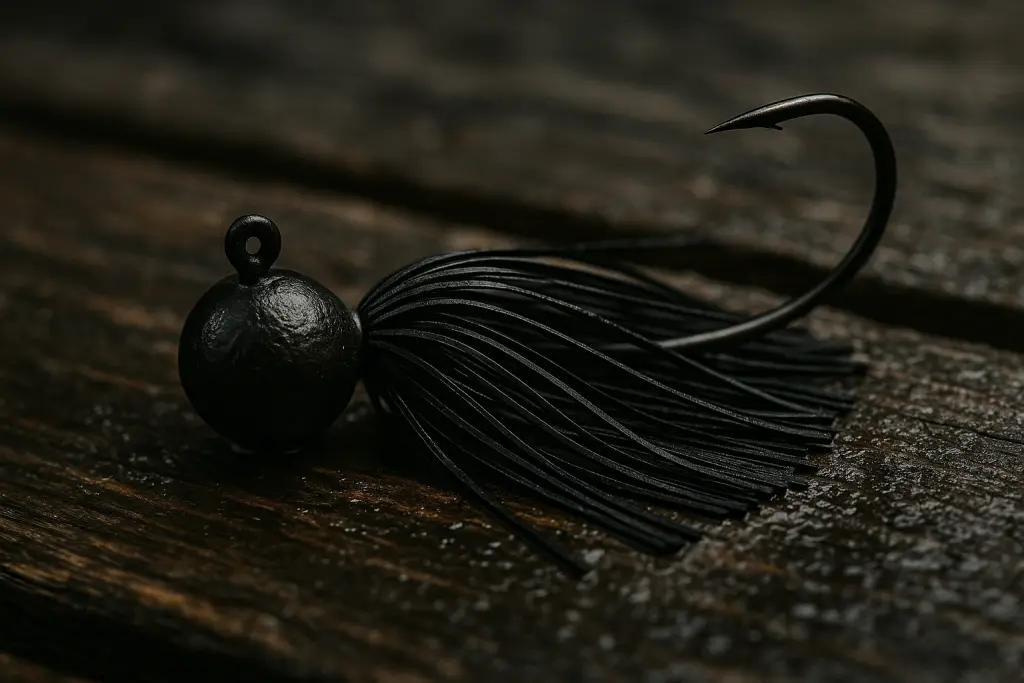
Round jig head
Round lead head + hook. Universal base for any soft plastic or live minnow combo.
★★★★★
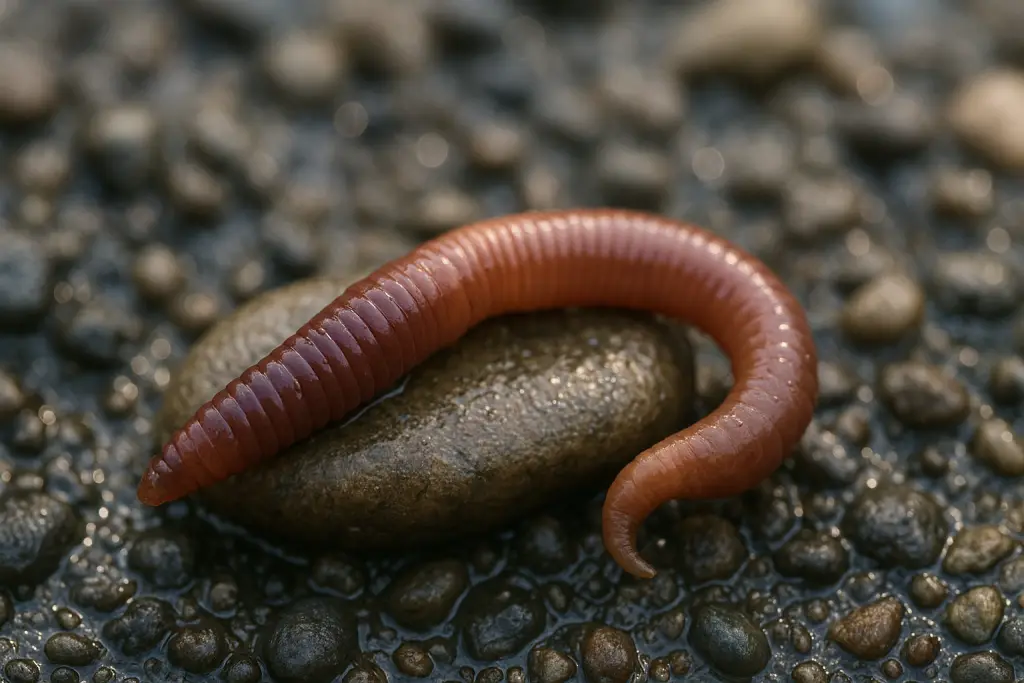
Manure worm
Small lively worm, excellent for trout and yellow perch.
★★★★
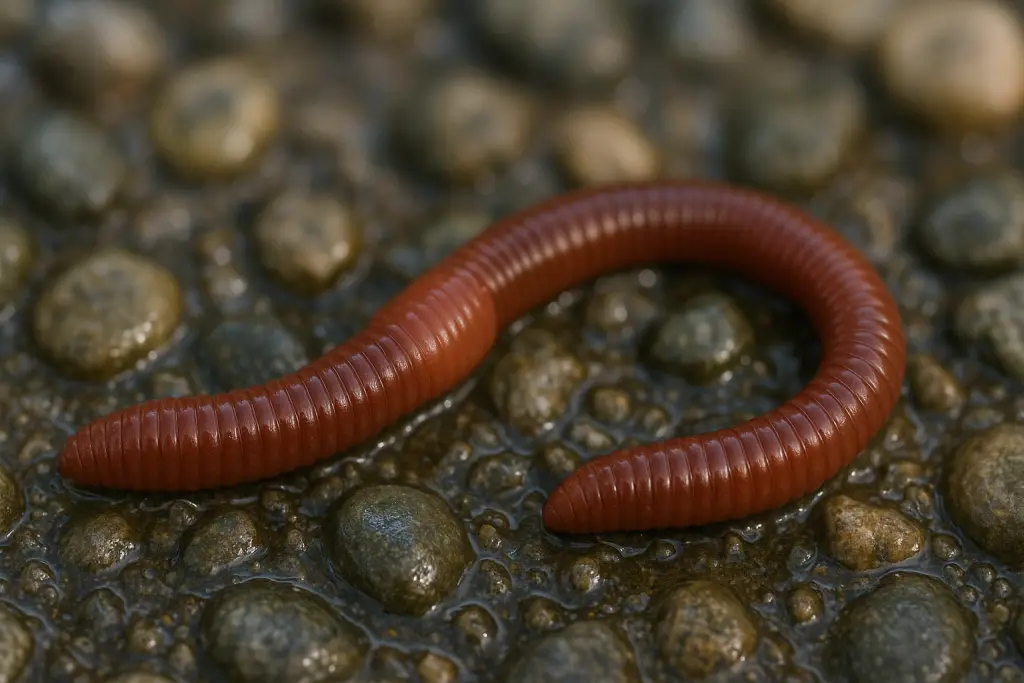
Earthworm
The most versatile natural bait. Almost every Quebec freshwater fish — trout, perch, bass, walleye, pike — eats it.
★★★★★
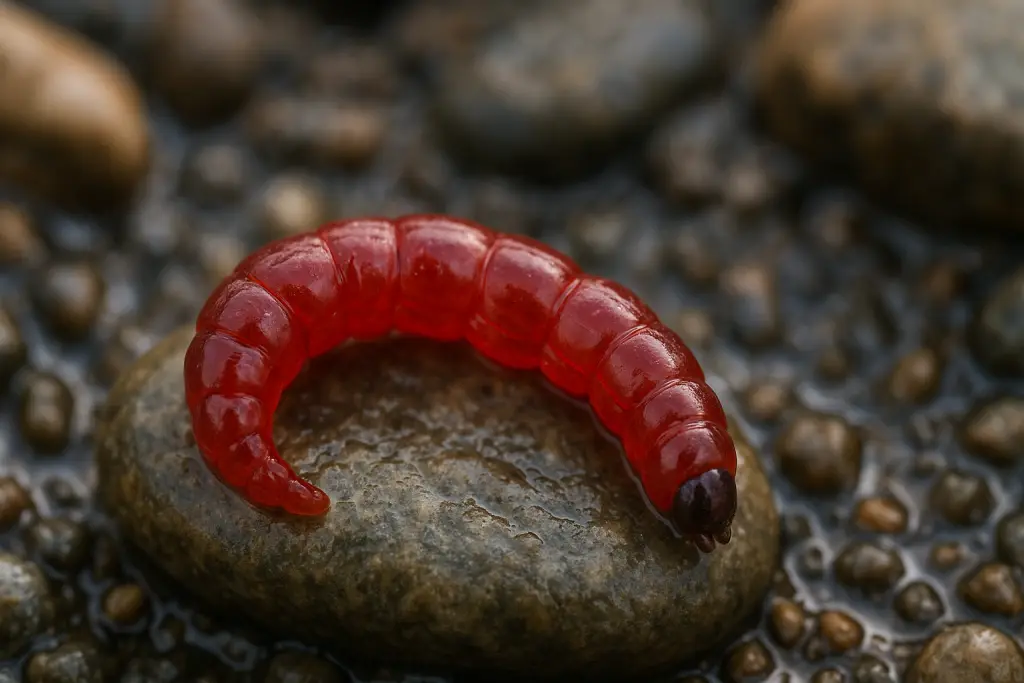
Bloodworm
Red larva typical for winter perch fishing.
★★★
Recommended gear
Recommended gear
A light fast-action rod of 1.8 to 2.1 meters is ideal for yellow perch. A spinning reel sized 1000 to 2500 with a line of 4 to 8 lb offers a good balance between sensitivity and strength. Size 6 to 10 hooks are suitable for this species. A fluorocarbon leader can be useful in clear waters to avoid spooking them.
Handling & release
Handling & release
Handle the yellow perch carefully to avoid damaging it. Use a net to lift it out of the water and pliers to remove the hook. If you wish to release it, do so quickly to minimize stress. For a successful photo, hold the fish with one hand under its belly and the other supporting its head.
Predators
Predators
Natural predators of yellow perch include pike and walleye, which hunt them in lakes and rivers. Fishing birds like the osprey and great blue heron also pose a threat when they approach the shore.
Conservation & status
Conservation & status
The yellow perch is not considered a threatened species in Quebec, but it is subject to catch regulations to ensure the sustainability of populations. Anglers must respect quotas and minimum size limits. Catch and release is encouraged for smaller fish or to maintain ecological balance.
Surprising facts
Surprising facts
- ›The yellow perch is often used as an indicator of water quality due to its sensitivity to pollution.
- ›It can live in waters with temperatures up to 30 °C, but prefers cooler conditions.
- ›Female yellow perch are generally larger than males.
- ›They are known for their ability to form large schools, especially in summer.
- ›The yellow perch is a fish species that has been introduced in many countries for sport fishing.
- ›It has significant economic importance in certain regions of Quebec for recreational fishing.
- ›The yellow perch can be predatory and cannibalistic, sometimes eating its own young.
- ›They have taste buds all over their bodies, allowing them to detect food in the water.
- ›The yellow perch is often used as live bait for other fish species.
- ›Its eye is well adapted to see in low-light conditions, making it an excellent nocturnal hunter.
- ›Yellow perch can change color depending on their mood and environment.
- ›They play a crucial role in the ecosystem by controlling populations of small aquatic invertebrates.
Frequently asked questions
Frequently asked questions
What is the best season to fish for yellow perch?+
Can you fish for yellow perch in winter?+
What natural baits are effective for yellow perch?+
Is the yellow perch sensitive to temperature changes?+
What is the minimum size limit for yellow perch in Quebec?+
Are yellow perch aggressive?+
How can you differentiate a male yellow perch from a female?+
What are the natural predators of yellow perch?+
Is yellow perch edible?+
Can yellow perch be used as bait for other fish?+
Is the yellow perch a threatened species?+
What is the best technique to fish for yellow perch?+
Do yellow perch live alone or in groups?+
How to handle a yellow perch for release?+
What are the best lures for fishing yellow perch?+
Is yellow perch sensitive to light?+
Member catches
No catches yet for this species. Be the first!
Have you caught yellow perch?
Share your photo with fellow anglers — show off your catch!
Be the first to share your catch of this species.
Our picks
Gear for Yellow Perch

UCEC Offset Wide Gap Hooks
Experience the effectiveness of UCEC hooks, designed for fishing enthusiasts. These hooks are perfect for catching fi…
18.99 $

Catfish Casting Rod 8'
If you are passionate about catfishing, this 8-foot rod is the perfect tool to enhance your fishing sessions. Designe…
52 $

Piscifun Flame
Experience fishing excellence with the Piscifun Flame spinning reel, designed for enthusiasts seeking lightweight per…
39.99 $