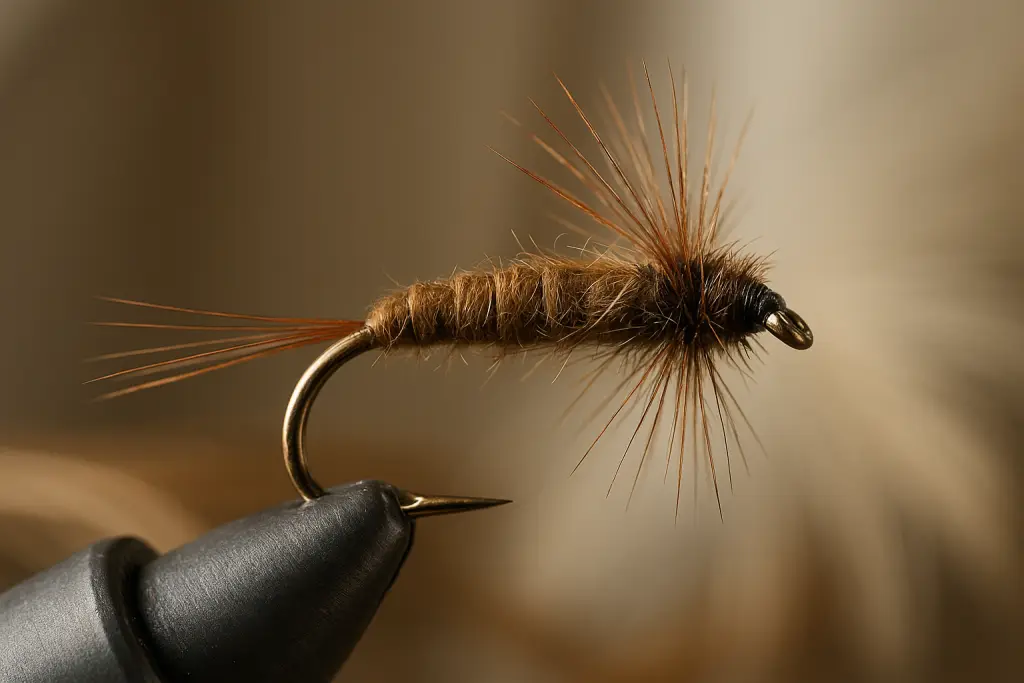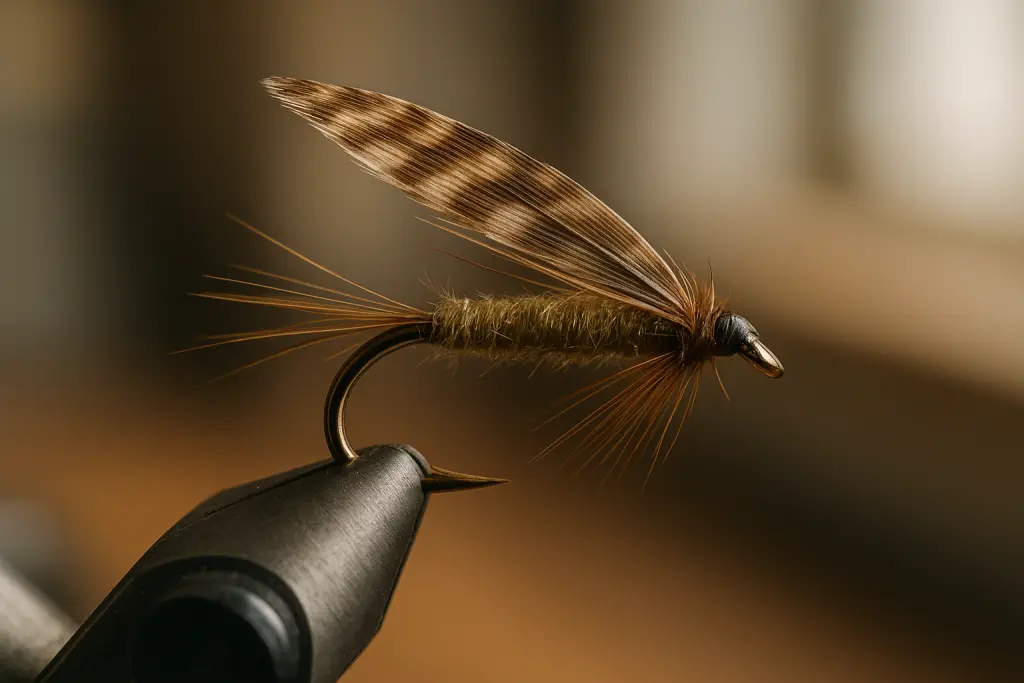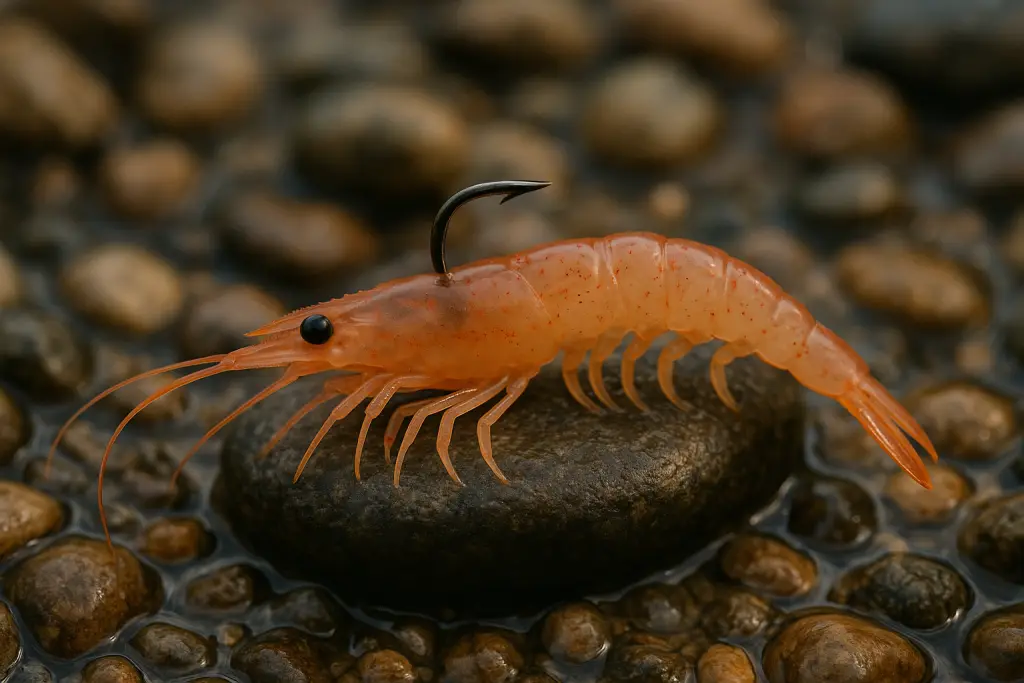
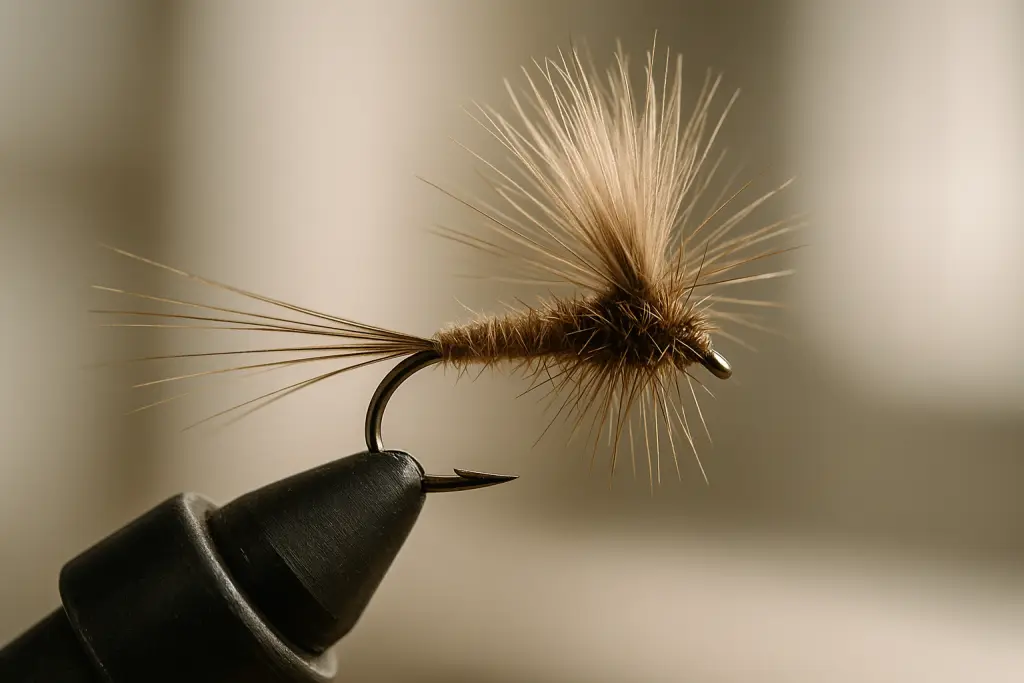
The dry fly is a quintessential tool for any angler targeting brook trout and landlocked salmon (ouananiche) in Quebec's pristine waters. What sets the dry fly apart is its ability to mimic the natural insects that hatch on the surface, enticing fish to strike in a thrilling display of surface feeding.
Flies (fly fishing)
Mouche sèche — fishing bait in Quebec
Floats perfectly to entice brook trout and landlocked salmon in calm waters.
Regulation
Check your zone's specific rules before use. Certain species are banned as bait in Quebec.
See full bait regulation →Effectiveness
★★★★★
Water temperature
Cold water
Water
Clear
Retrieve
Drift
Level
Intermediate
For a successful presentation, consider two techniques:
Drift Presentation: Cast upstream and allow your dry fly to drift naturally with the current. This technique is particularly effective in regions like Lake Memphremagog, where the currents create an enticing movement. Use a 5-weight rod with a floating line and a leader of about 9 feet to keep your fly floating just above the water's surface.
Twitching: For a more dynamic approach, gently twitch your dry fly to simulate the erratic movement of an insect struggling on the surface. This method works wonders during the early morning hours or late evening, especially in the Mauricie region. Pair your fly with a 6-weight rod and a tapered leader to enhance sensitivity.
When fishing in the St. Lawrence River, pay close attention to seasonal hatches, particularly in spring and fall, when fish are most active.
Advanced Tip: Incorporate subtle sizing variations in your dry flies. Larger flies can be effective during high visibility periods, while smaller patterns work better on clear days. Experiment with different patterns, such as the Adams or Elk Hair Caddis, to discover what the fish are actively feeding on! This adaptability can make all the difference in your success on the water.
Target species
Best seasons
printempseteautomne
Technical specifications
Hooks
Single
Material
Plumes + crochet
Rattle
No
Freshwater
✓
Saltwater
✓
Effectiveness per species
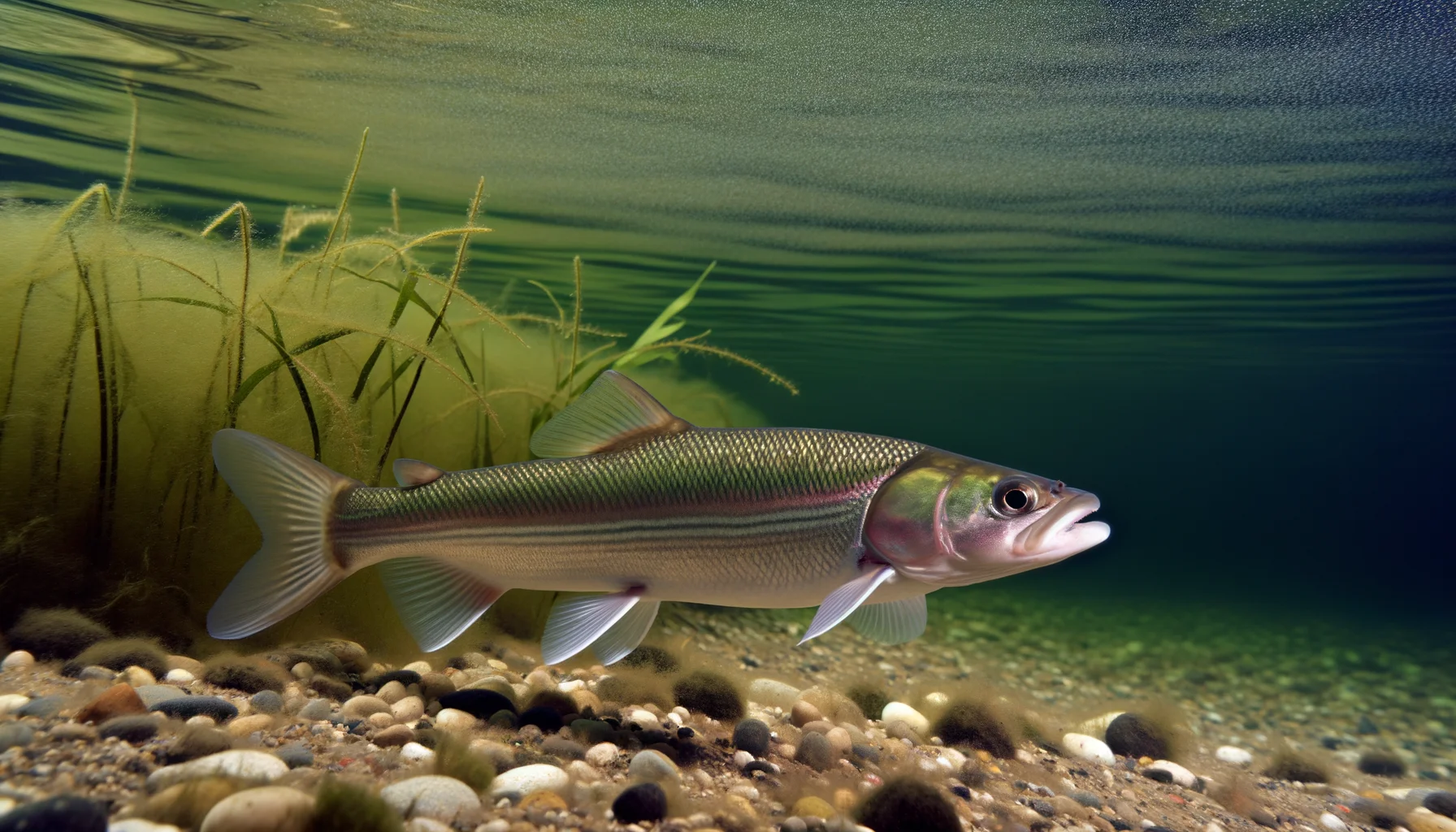
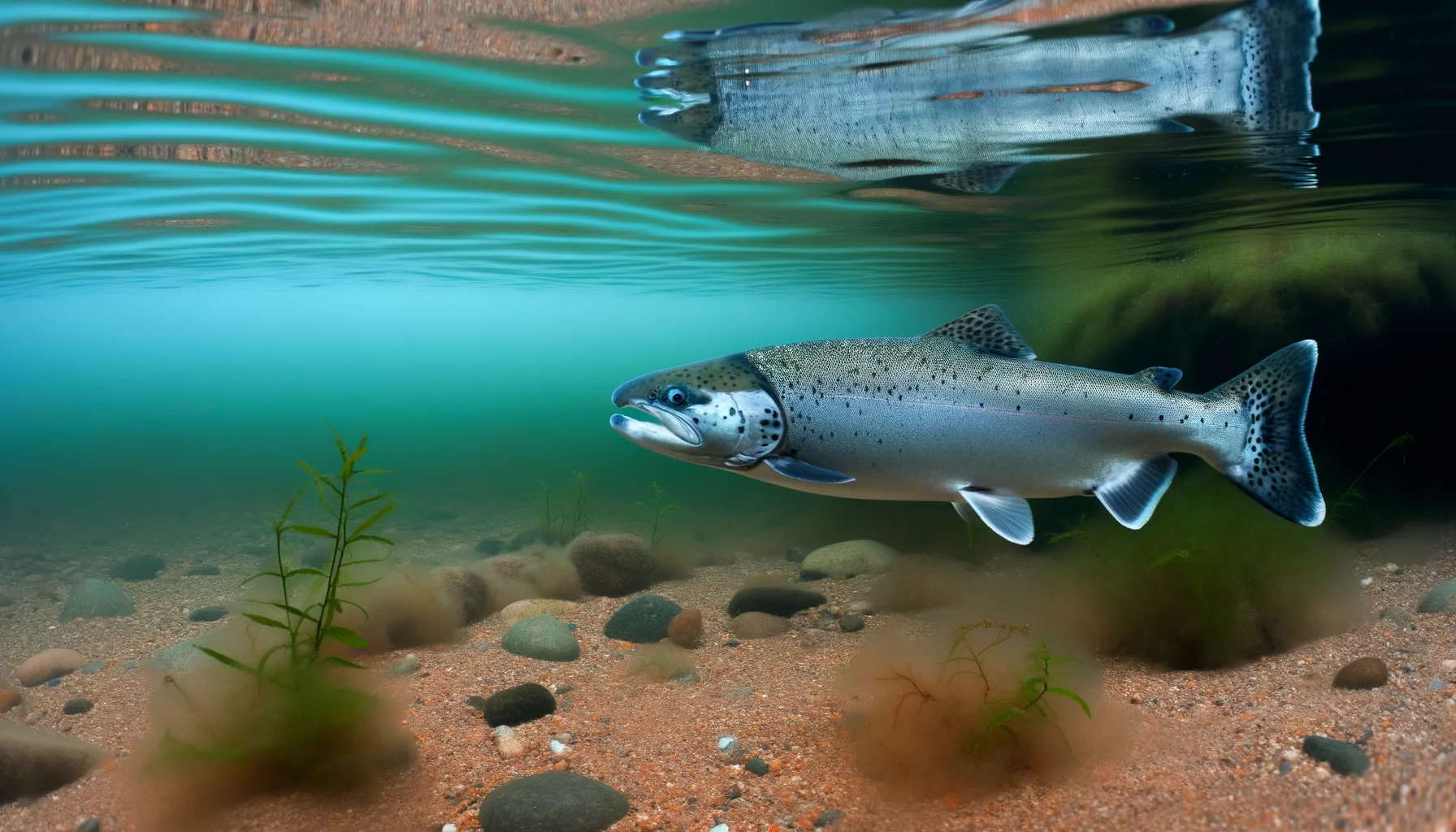
Ideal conditions
Water clarity
ClearSlightly stained
Water temperature
ColdTemperate
Depth
Surface0-2 m
Current
LowMediumStrong
Light
OvercastDawnDusk
Animation techniques
Dead drift
Laisser la mouche dériver naturellement avec le courant — imitation parfaite.
Strip retrieve
Tirer la soie par petits coups — anime streamers et mouches noyées.
Skating
Faire glisser la mouche sèche en surface — top truite en rivière.
Season rating
Spring
8/10
Summer
10/10
Fall
8/10
Winter
1/10
Recommended gear
| Rod | Canne mouche 4-6 wt 9' |
| Reel | Réel mouche 4-6 wt |
| Line | WF floating fly line |
| Leader | 9′ 4-6X tapered |
Frequently asked questions
Q1.What fish does Mouche sèche catch as a fishing bait in Quebec?
This fly (Mouche sèche) is effective on truite mouchetée, ouananiche. Per-species effectiveness rating is in the "Target species" section above.
Q2.When is the best season to fish with Mouche sèche in Quebec?
See the season rating table above — effectiveness varies by spring / summer / fall / winter and by MFFP zone.
Q3.What color works best in murky water with Mouche sèche?
Murky water: bright or contrasting colors (Fire Tiger, chartreuse, white-red). Clear water: natural shades (perch, baitfish silver, brown).
Q4.At what depth should I use Mouche sèche?
The "Technical specifications" section gives the diving depth and buoyancy of this fly — they determine the optimal use depth.
Q5.Is Mouche sèche allowed as fishing bait in Quebec?
Allowed in most MFFP zones. Check water-body exceptions at peche.faune.gouv.qc.ca/regpec, especially for salmon rivers and certain wildlife reserves where use is restricted.
Q6.What gear should I use with Mouche sèche?
The "Recommended gear" section above details the rod, reel, line and leader best suited.