
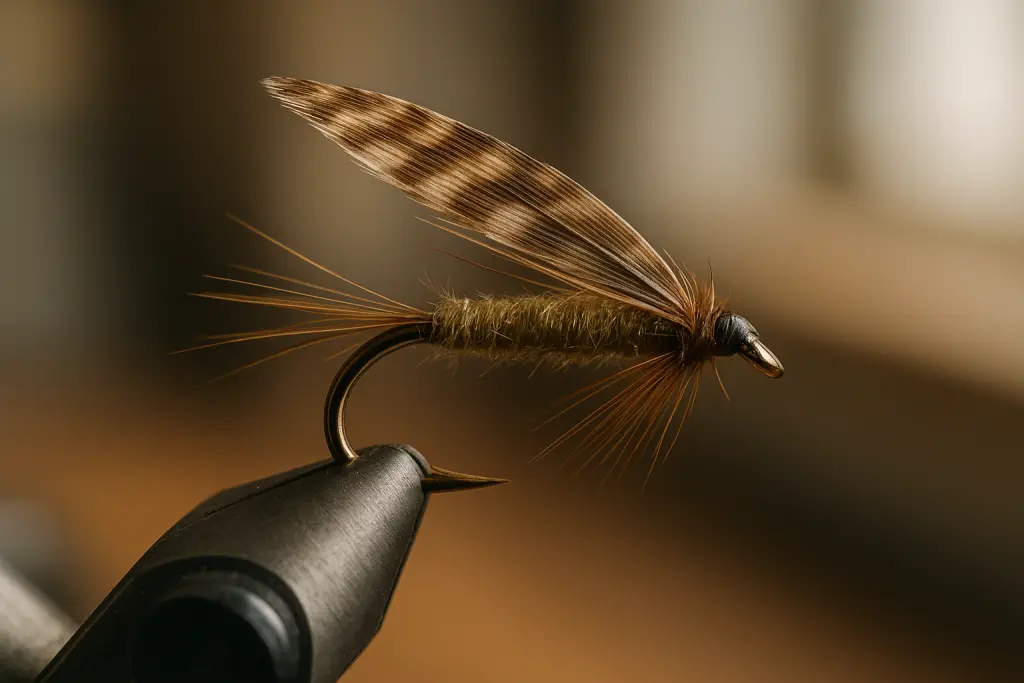
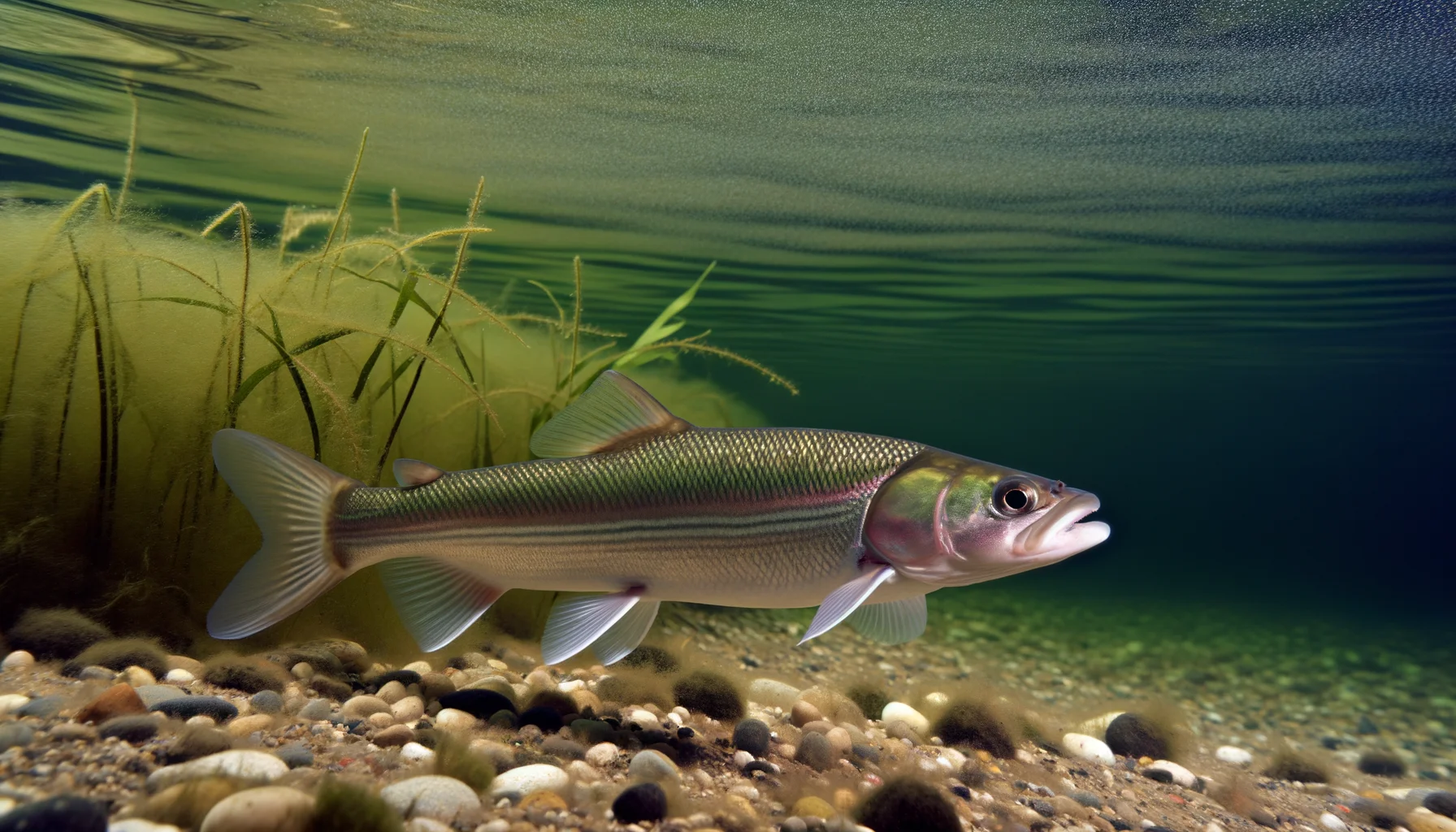
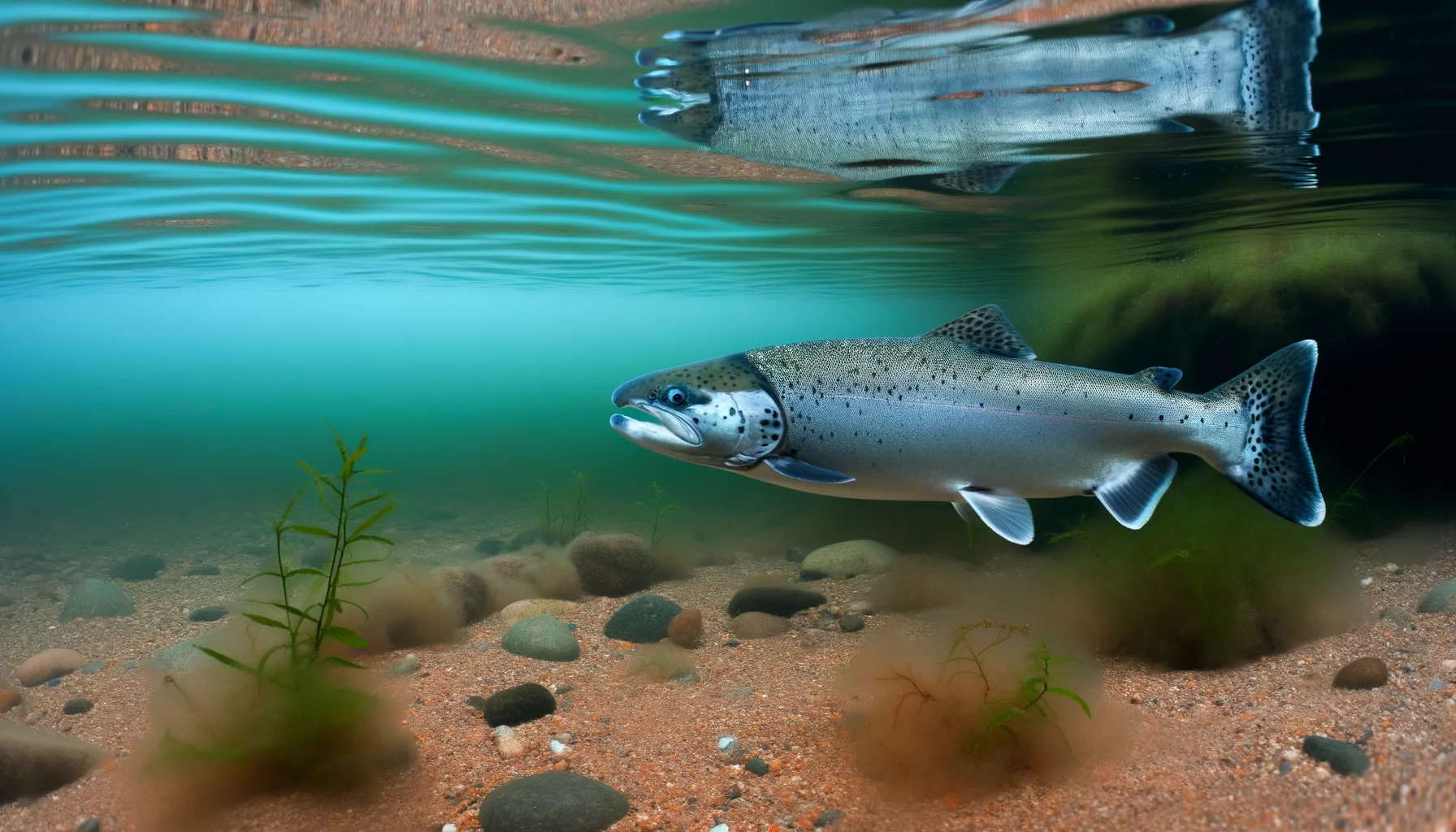
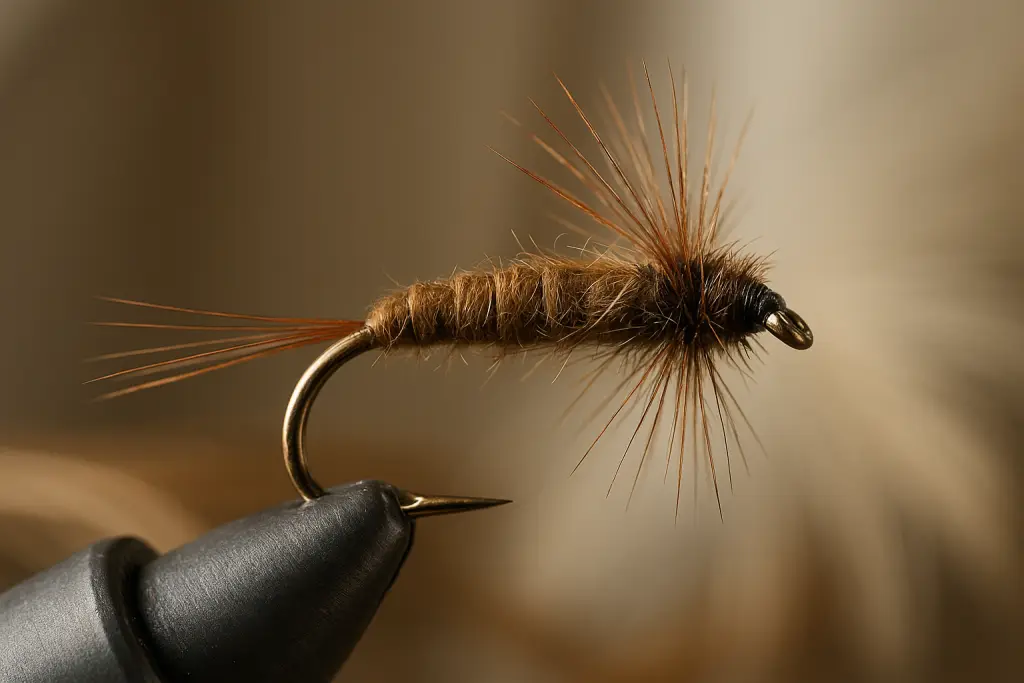
The wet fly is an exceptional choice for targeting brook trout and landlocked salmon (ouananiche) in Quebec's waters, particularly during the spring and autumn months. What makes this bait special is its ability to mimic the natural movement of aquatic insects, enticing fish that are actively feeding near the surface or just below it.
Flies (fly fishing)
Wet fly — fishing bait in Quebec
Fly fishing mid-column — traditional method.
Regulation
Check your zone's specific rules before use. Certain species are banned as bait in Quebec.
See full bait regulation →Effectiveness
★★★☆☆
Water temperature
Cold water
Water
Clear & murky
Retrieve
Drift
Level
Intermediate
For effective presentation, consider two techniques. First, try a swinging method: cast your wet fly upstream and allow it to drift downstream in an arc. Use a floating line paired with a 7 to 9-foot leader to maintain control over the depth, ensuring the fly moves through the fish's strike zone. Brands like Orvis offer excellent floating lines that enhance sensitivity.
Another effective technique is the retrieve method. Cast the fly out and retrieve it with a slow, steady rhythm, creating a life-like action that can trigger strikes. Use a sink-tip line for this method; the Scientific Anglers Wet Tip is a solid option that helps keep your fly submerged, where fish often lurk during the day.
In Quebec, the Gaspé Peninsula is a standout location for wet fly fishing. The pristine rivers and streams here are rich in trout, especially in the late spring when the aquatic insect hatches are at their peak.
For an advanced tip, consider using a dropper rig: tie a smaller wet fly (like a Yamamoto or Mepps pattern) below your main fly. This not only increases your chances of a bite but also allows you to cover multiple depths simultaneously, making your approach more versatile and effective.
Target species
Best seasons
printempsautomne
Technical specifications
Hooks
Single
Material
Plumes + crochet
Rattle
No
Freshwater
✓
Saltwater
✓
Effectiveness per species
Ideal conditions
Water clarity
ClearSlightly stained
Water temperature
ColdTemperate
Depth
Surface0-2 m
Current
LowMediumStrong
Light
OvercastDawnDusk
Animation techniques
Dead drift
Laisser la mouche dériver naturellement avec le courant — imitation parfaite.
Strip retrieve
Tirer la soie par petits coups — anime streamers et mouches noyées.
Skating
Faire glisser la mouche sèche en surface — top truite en rivière.
Season rating
Spring
8/10
Summer
10/10
Fall
8/10
Winter
1/10
Recommended gear
| Rod | Canne mouche 4-6 wt 9' |
| Reel | Réel mouche 4-6 wt |
| Line | WF floating fly line |
| Leader | 9′ 4-6X tapered |
Frequently asked questions
Q1.What fish does Wet fly catch as a fishing bait in Quebec?
This fly (Wet fly) is effective on truite mouchetée, ouananiche. Per-species effectiveness rating is in the "Target species" section above.
Q2.When is the best season to fish with Wet fly in Quebec?
See the season rating table above — effectiveness varies by spring / summer / fall / winter and by MFFP zone.
Q3.What color works best in murky water with Wet fly?
Murky water: bright or contrasting colors (Fire Tiger, chartreuse, white-red). Clear water: natural shades (perch, baitfish silver, brown).
Q4.At what depth should I use Wet fly?
The "Technical specifications" section gives the diving depth and buoyancy of this fly — they determine the optimal use depth.
Q5.Is Wet fly allowed as fishing bait in Quebec?
Allowed in most MFFP zones. Check water-body exceptions at peche.faune.gouv.qc.ca/regpec, especially for salmon rivers and certain wildlife reserves where use is restricted.
Q6.What gear should I use with Wet fly?
The "Recommended gear" section above details the rod, reel, line and leader best suited.
You might also like
Flies (fly fishing)
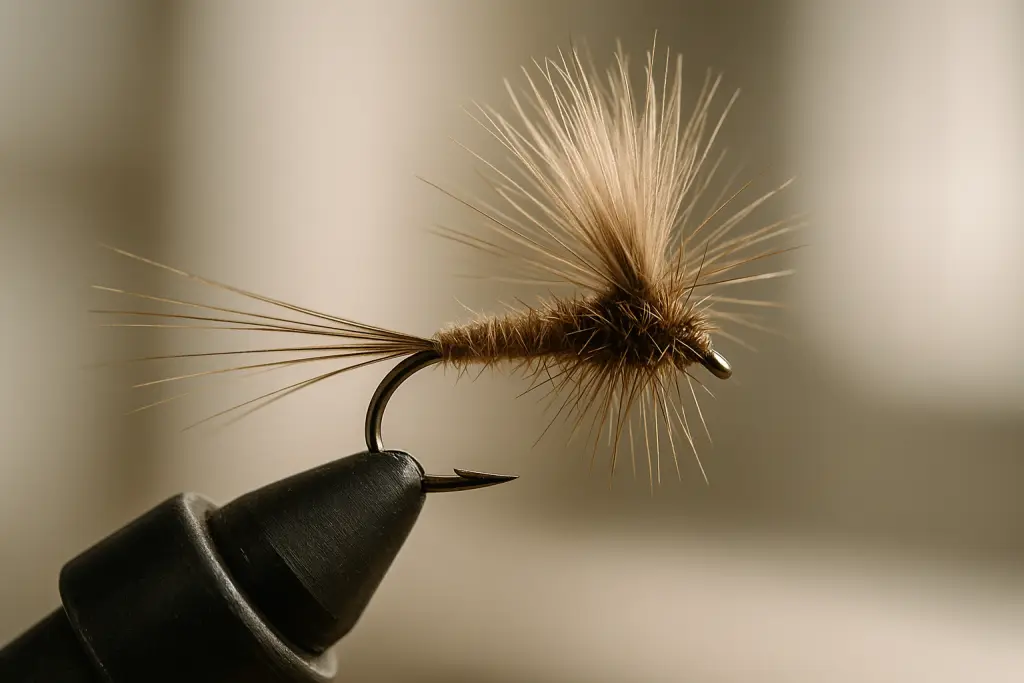
Mouche sèche
Floats perfectly to entice brook trout and landlocked salmon in calm waters.
★★★★★
Flies (fly fishing)
Nymphe
Irresistible nymph for brook trout, ouananiche, and char in still waters.
★★★★★
Natural baits
Crevette
Irresistible shrimp for brook trout, ouananiche, and char in cold water.
★★★