Chargement...
Complete guide
Speckled Trout
Overview
The brook trout, also known as the speckled trout, is one of the most sought-after fish in Quebec for sport fishing. Its reputation is well established thanks to its fight and undeniable beauty. Anglers appreciate its energetic and unpredictable struggle, making each catch a memorable experience. Widely distributed in the lakes and rivers of Quebec, it is particularly popular in regions such as Mauricie, Abitibi-Témiscamingue, and Côte-Nord. Its natural habitat is often associated with cold, well-oxygenated waters, making it an indicator of aquatic environmental quality. In addition to being a challenge for anglers, it is also valued for its delicate flesh.
Angler indices
Identification
Identification
The brook trout is distinguished by its fusiform body and bright coloration. It has an olive to brown back, sprinkled with pale and reddish spots surrounded by a bluish halo, particularly on the flanks. Its belly is often white or slightly silver. The pectoral, pelvic, and anal fins have distinct white edges, which is a distinctive feature. The mouth is wide with a slightly protruding lower jaw. Young brook trout, known as juveniles, display dark vertical bands that disappear with maturity. During the spawning period, the male showcases more intense colors, with a bright orange belly, while the female remains duller. The scales are small and well embedded in the skin, giving them a smooth appearance.
How to tell it apart
The brook trout can easily be confused with the lake trout.
| Criterion | Brook trout | Lake trout |
|---|---|---|
| Size | Up to 50 cm | Up to 60 cm |
| Coloration | Reddish spots with a blue halo | No red spots |
| Habitat | Freshwater | Fresh and brackish water |
Distribution in Quebec
Distribution in Quebec
The brook trout is widely distributed across Quebec, particularly in northern and mountainous regions. It is abundant in the lakes and rivers of Mauricie, Abitibi-Témiscamingue, Côte-Nord, and Saguenay–Lac-Saint-Jean. It is absent from urban areas and regions where the waters are too warm or polluted. Its range is generally limited to environments where the water is cool, well-oxygenated, and minimally polluted, making it a good indicator of the health of aquatic ecosystems.
Habitat
Habitat
The brook trout prefers clear and cold waters, often found in high-altitude lakes, fast-flowing rivers, and shaded ponds. It favors areas where the bottom is composed of gravel or rocks, providing natural shelters. In summer, it retreats to deeper areas to avoid high temperatures, while in winter, it remains active under the ice. Structures such as fallen trees, submerged rocks, and shaded banks are preferred locations to find it.
Life cycle
Life cycle
The brook trout spawns in the fall, from September to November, when the water temperature drops to around 10 °C. Females dig nests, called 'redds', in the gravel of shallow rivers or lakes. The eggs hatch in spring, and the fry begin to feed on zooplankton and aquatic insects. Growth is rapid during the first months. Sexual maturity is reached at around 2 to 3 years of age. The lifespan of the brook trout can reach 6 years, although most typically live shorter. Spring: Hatching of eggs → Summer: Rapid growth → Fall: Spawning → Winter: Activity under the ice.
Behaviour
Behaviour
The brook trout is generally solitary but can be social during the spawning period. It is territorial, defending its space against intruders. Sensitive to noise, it quickly hides at the slightest disturbance. It prefers cloudy days and early morning or late afternoon to hunt, avoiding direct sunlight. Its activity is influenced by weather conditions, with a preference for cool, humid weather.
Diet
Diet
The diet of the brook trout varies with age and season. Fry mainly feed on zooplankton and small aquatic insects. As they grow, their diet expands to include fallen terrestrial insects, crustaceans, mollusks, and even small fish. During summer, trout actively hunt aquatic and terrestrial insects, while in winter, their feeding decreases and they focus on available prey under the ice.
Seasons & best times
Seasons & best times
In spring, the brook trout is active and feeds vigorously to recover from winter stresses. The best times to fish for them are early in the morning and late in the afternoon. In summer, it retreats to deeper or shaded waters to avoid the heat, and cloudy or rainy days are ideal. Fall is a pre-spawning period when they are particularly active and aggressive, making it a good time for fishing. In winter, ice fishing is possible, although they are less active. Trout respond well to changes in atmospheric pressure, with increased activity before a weather front.
Fishing techniques
Fishing techniques
Fly fishing
Ideal in spring and fall, this technique mimics aquatic insects. Use a light rod and dry or wet flies. Be careful of excessive false casts that may scare the trout.
Spoon fishing
Effective in summer and fall in lakes. The wobbling mimics an injured fish. Vary the retrieval speed to stimulate the trout's aggressiveness.
Light casting
Uses light lures and natural baits. Suitable for rivers and streams. Be careful not to scare the fish with sudden movements.
Ice fishing
Practiced in winter with small lures or live baits. Choose locations near underwater structures. Avoid excessive noise that may drive them away.
Trolling
Used in large lakes in summer. Covers large areas. Use spoons or diving lures. Adjust the speed according to depth.
Lures & colours
Recommended lures & flies
For clear water, prefer natural colors like brown or green. In murky water, bright colors like chartreuse or orange can attract attention. On sunny days, silver or gold lures effectively mimic baitfish. On overcast days, darker shades like black or blue are often more effective. Heavier lures are preferable for reaching trout in depth.
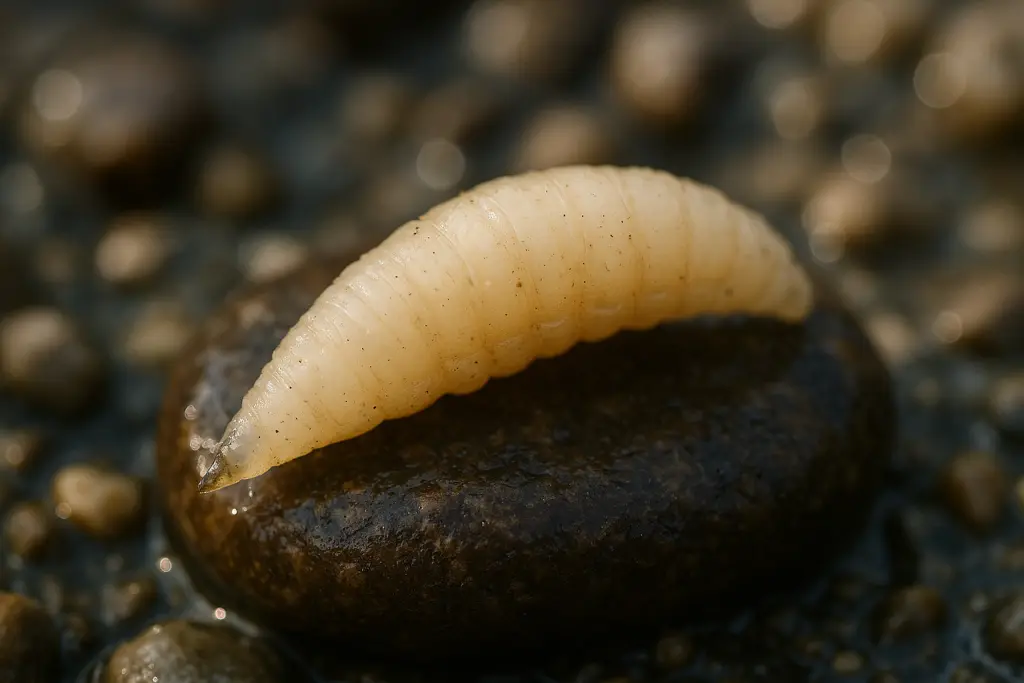
Asticots
Ideal for yellow perch, brook trout, and sunfish, effective in calm and clear water.
★★★★
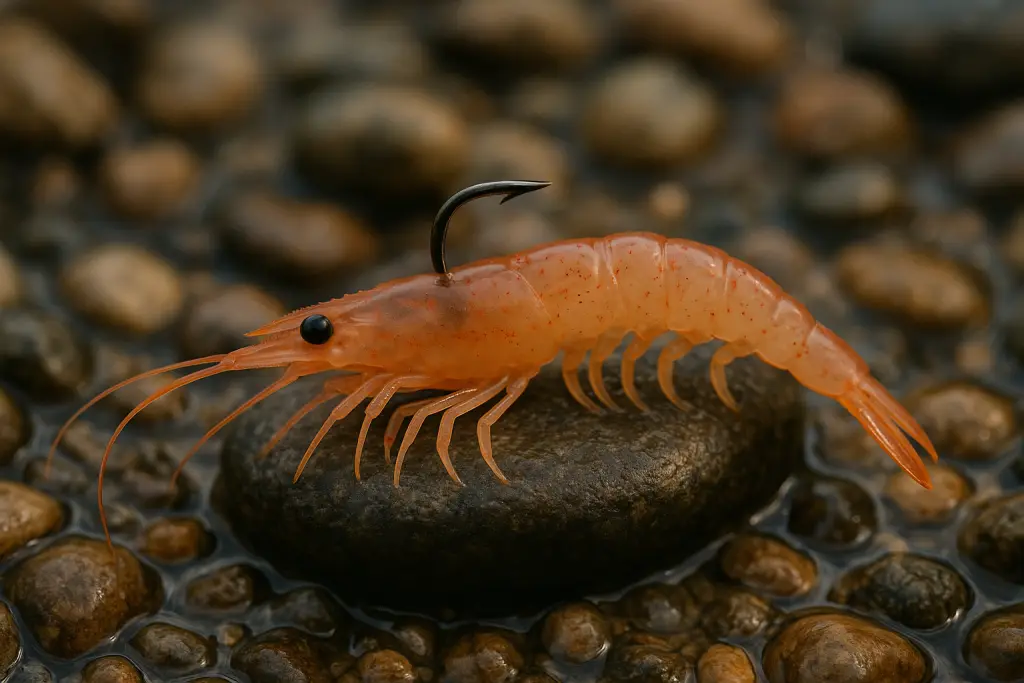
Crevette
Irresistible shrimp for brook trout, ouananiche, and char in cold water.
★★★
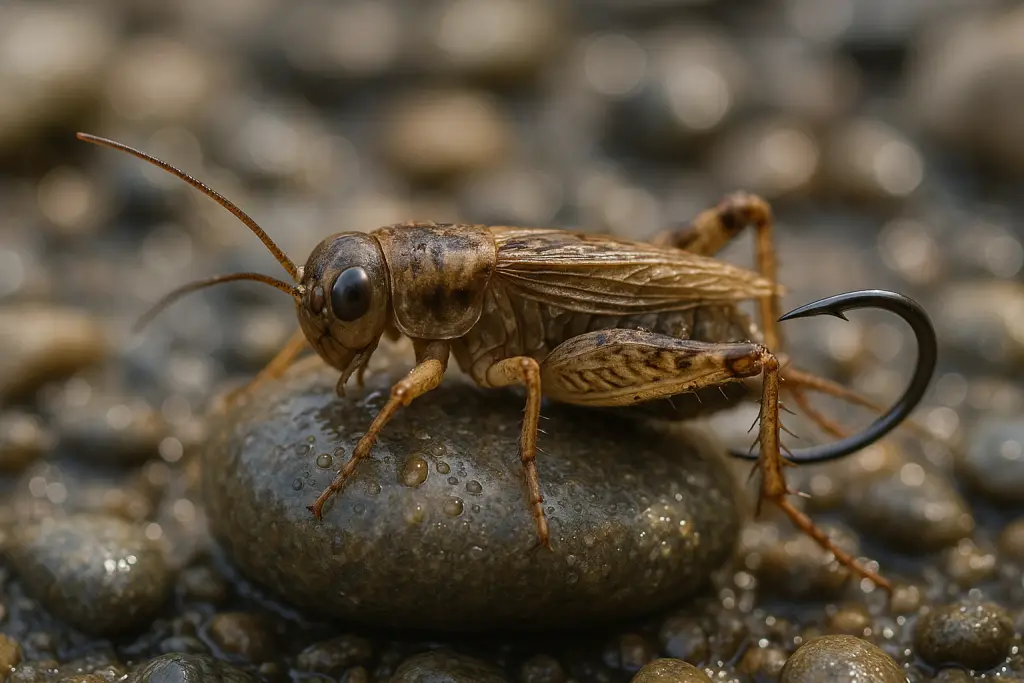
Cricket
Summer insect, effective on surface presentation.
★★★
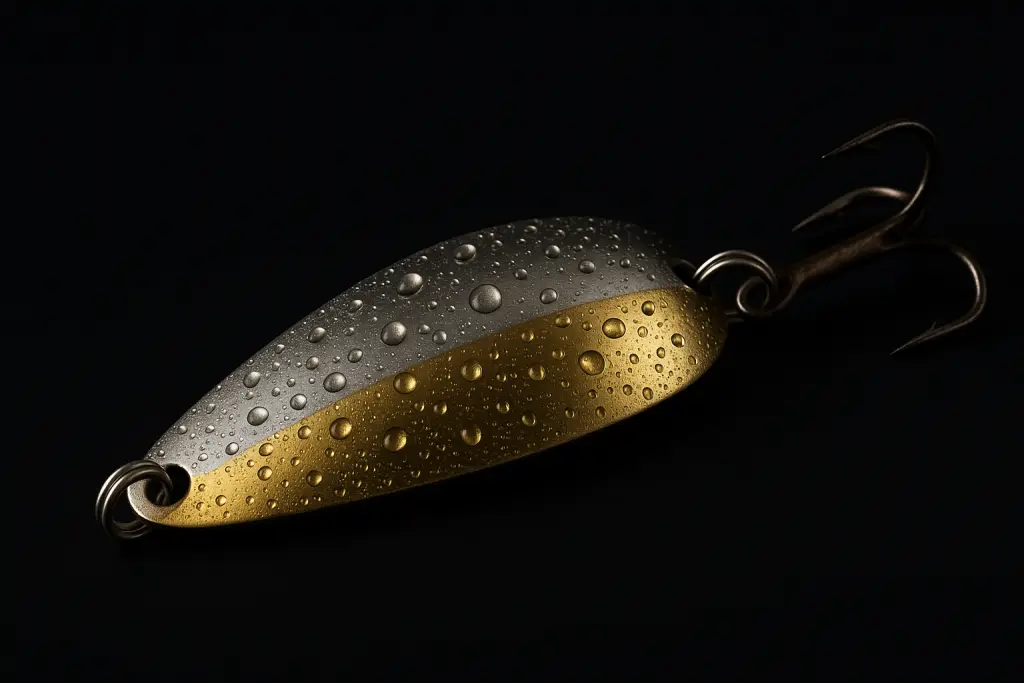
Wobbling spoon
A curved metal blade that flashes and undulates. Timeless classic for trout, char and pike.
★★★★★
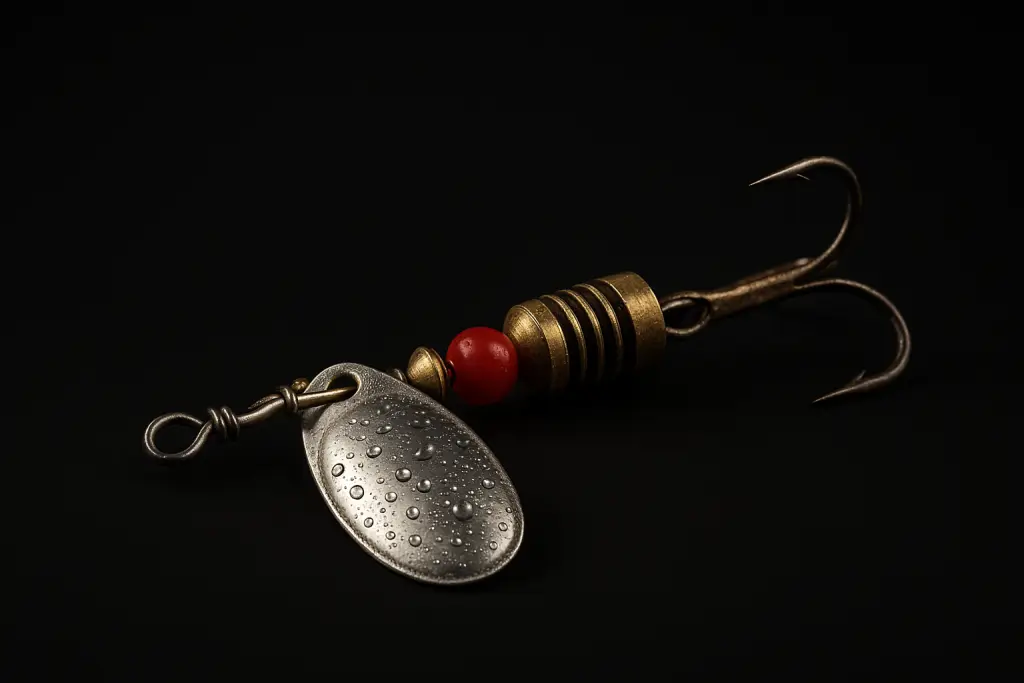
Cuillère tournante
Ideal for attracting trout and bass, this vibrating spoon shines in clear water.
★★★★★
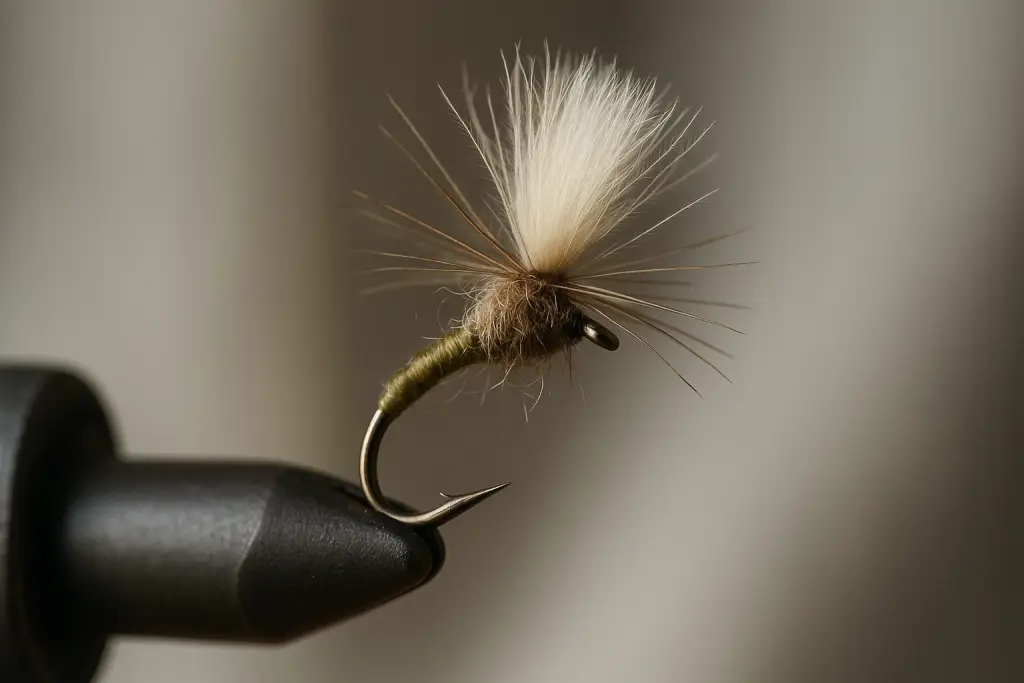
Emerger
Ideal for surface brook trout during fly hatches.
★★★★
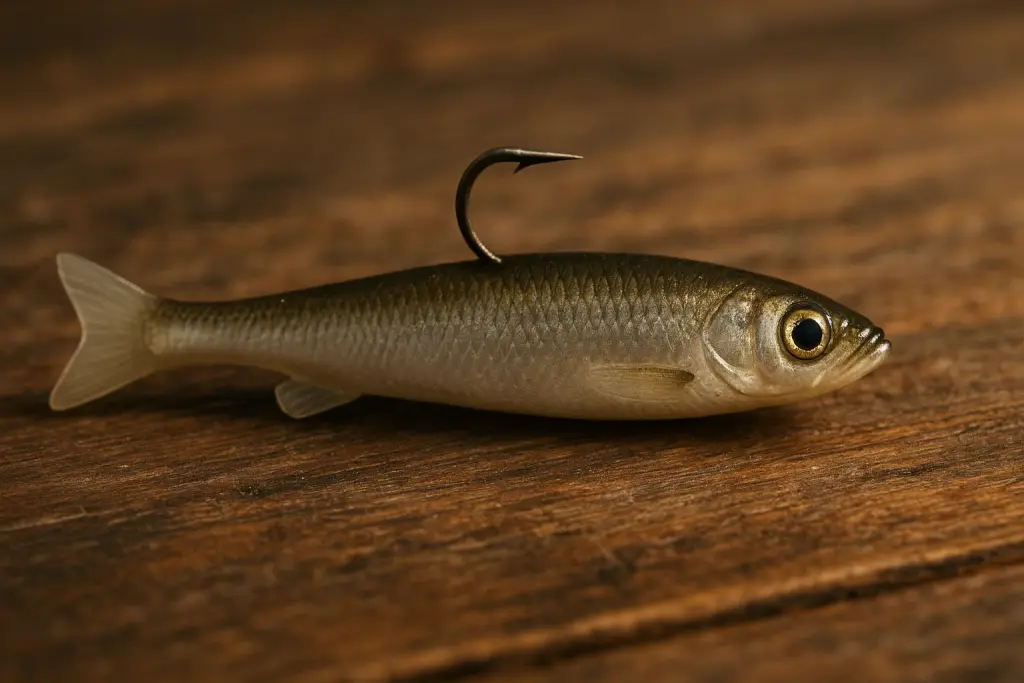
Éperlan
Fresh smelt ideal for landlocked salmon, lake trout, and brook trout in cold lakes.
★★★★★
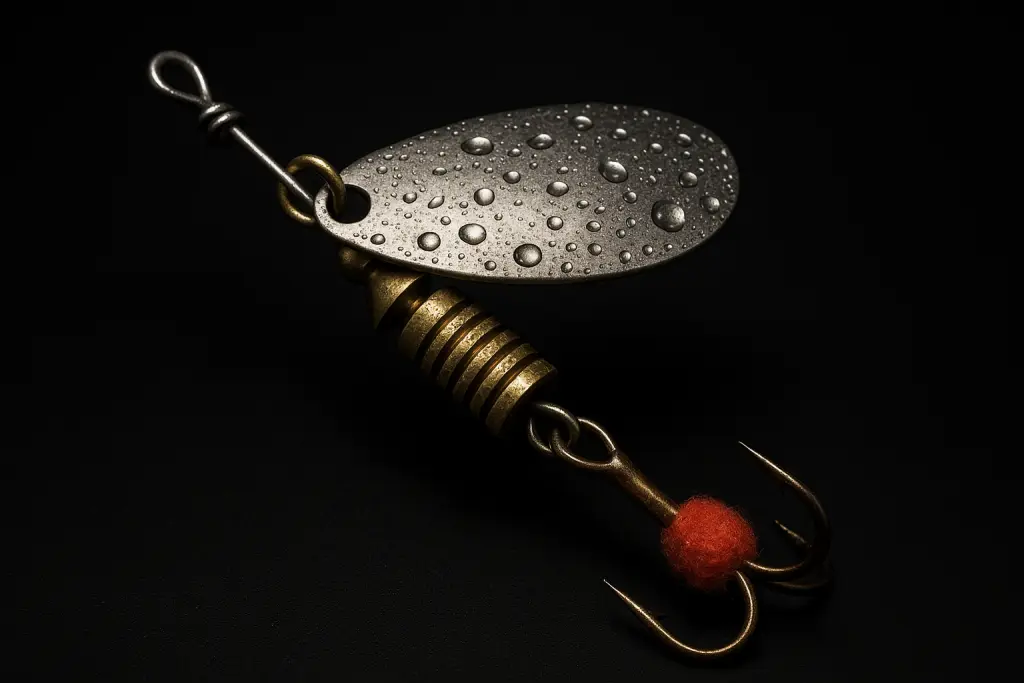
Inline spinner
Metal spinner that attracts trout and bass with its irresistible vibrations in clear waters.
★★★★
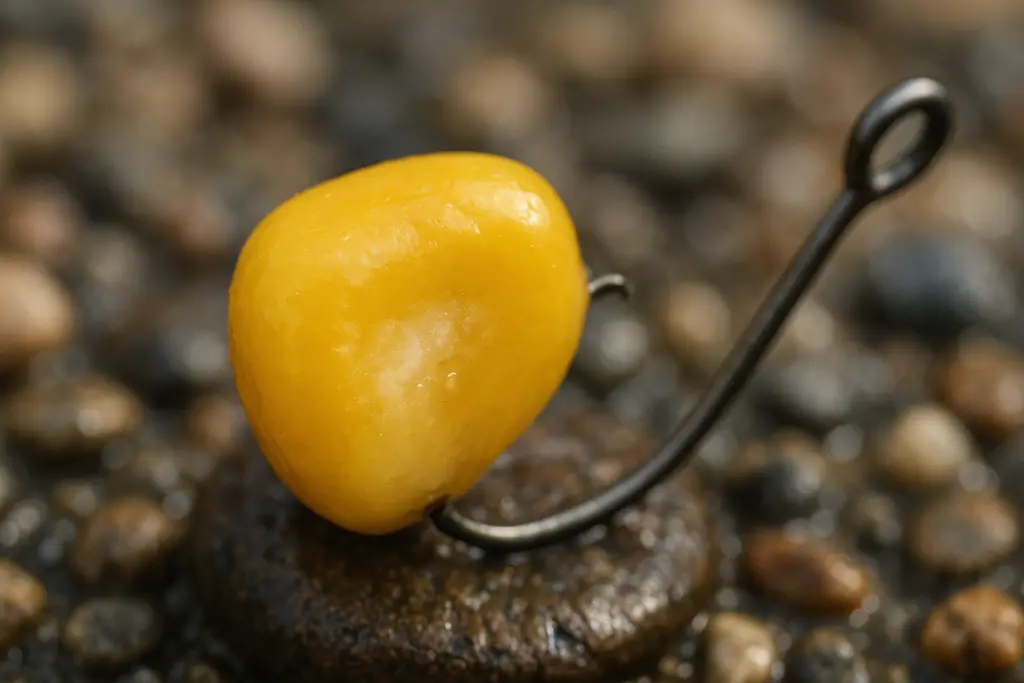
Maïs
Irresistible corn for carp, brook trout, and perch, ideal in calm and clear waters.
★★★
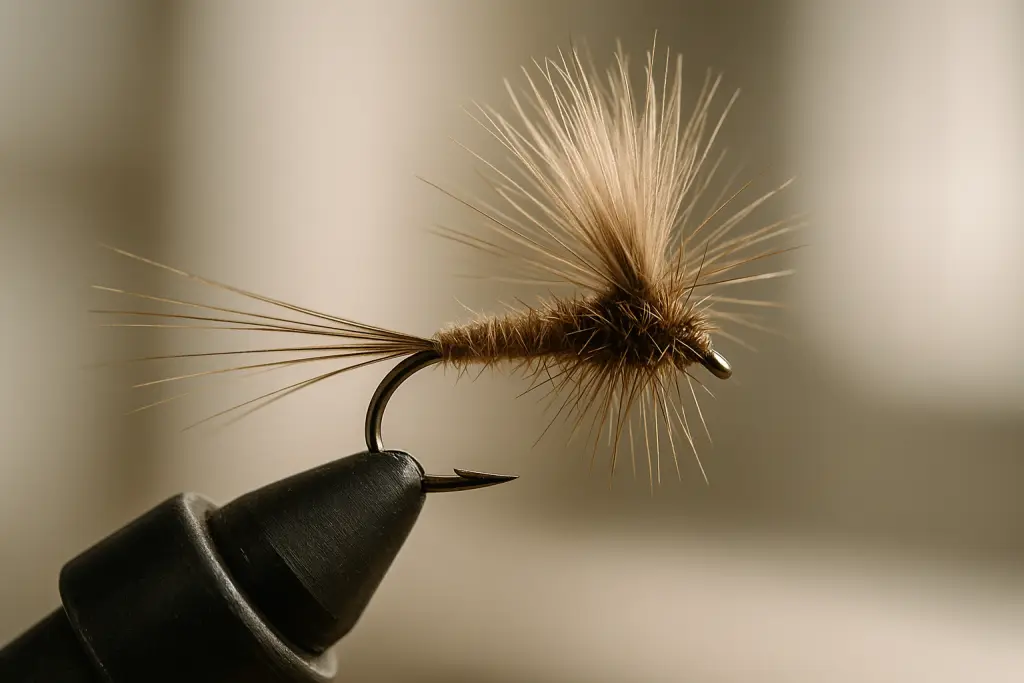
Mouche sèche
Floats perfectly to entice brook trout and landlocked salmon in calm waters.
★★★★★
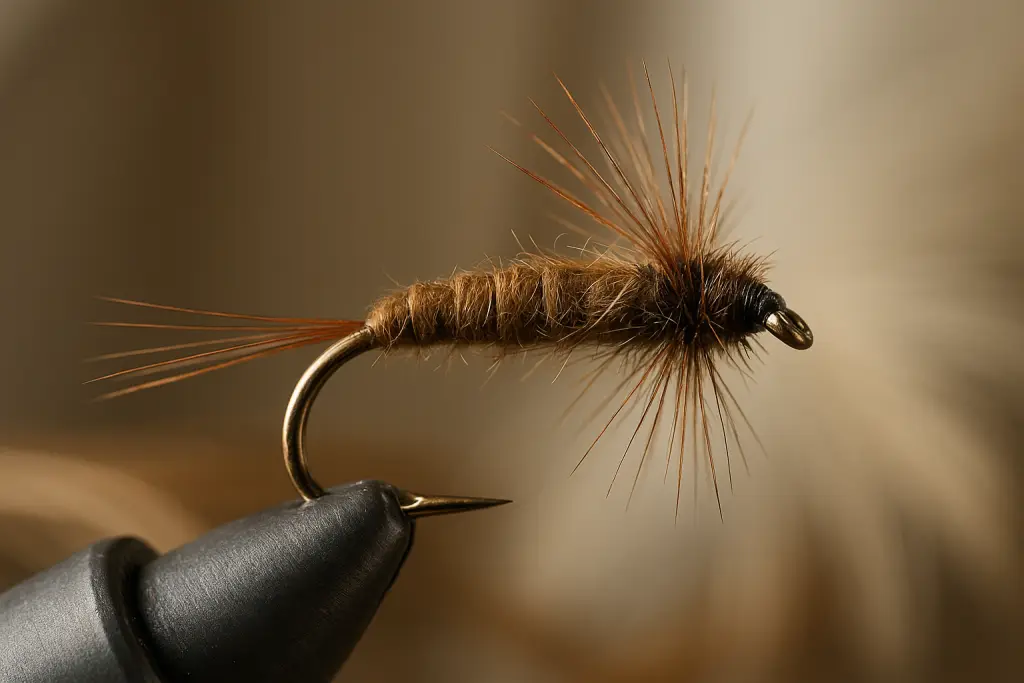
Nymphe
Irresistible nymph for brook trout, ouananiche, and char in still waters.
★★★★★
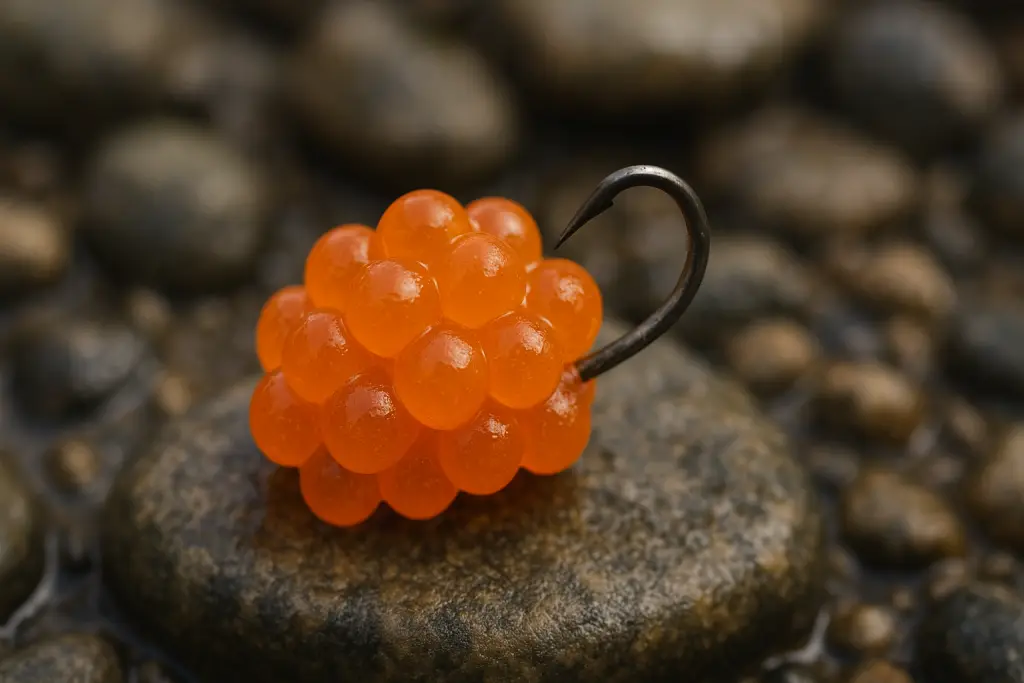
Oeufs de poisson
Attract salmon, brook trout, and ouananiche with irresistible freshwater eggs.
★★★★★
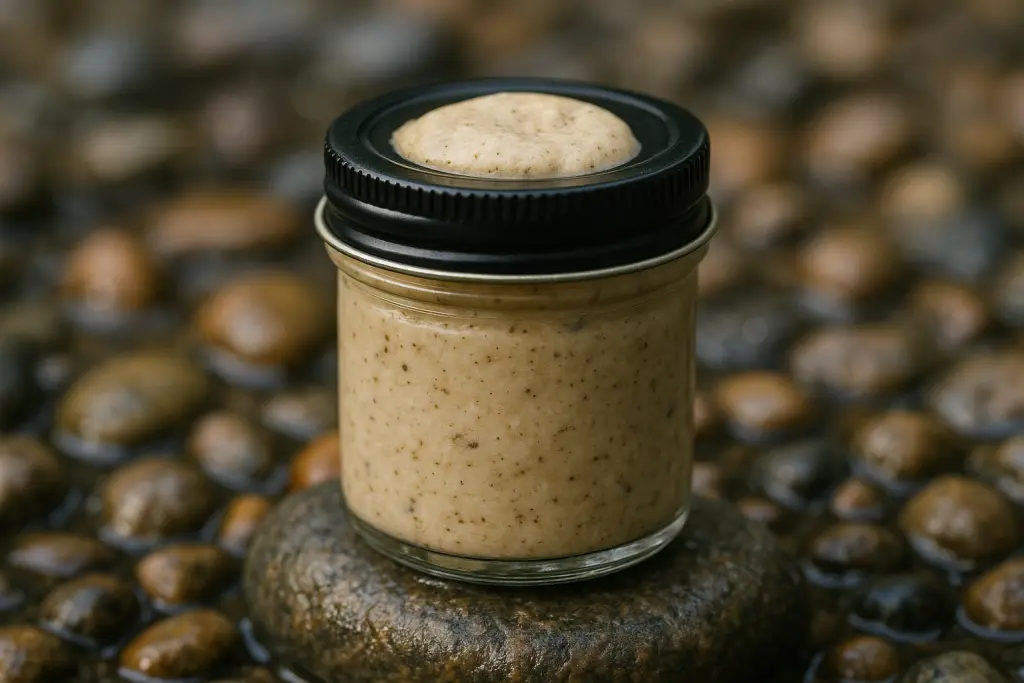
Pâte à truite
Irresistible dough for brook and rainbow trout, ideal for calm and clear waters.
★★★★
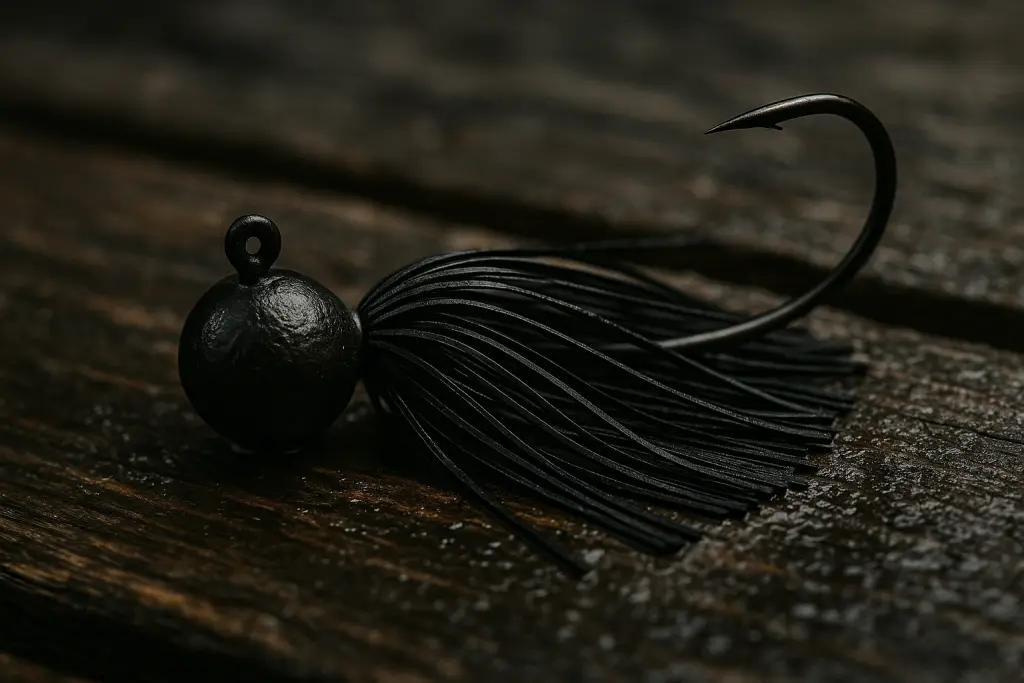
Round jig head
Round lead head + hook. Universal base for any soft plastic or live minnow combo.
★★★★★
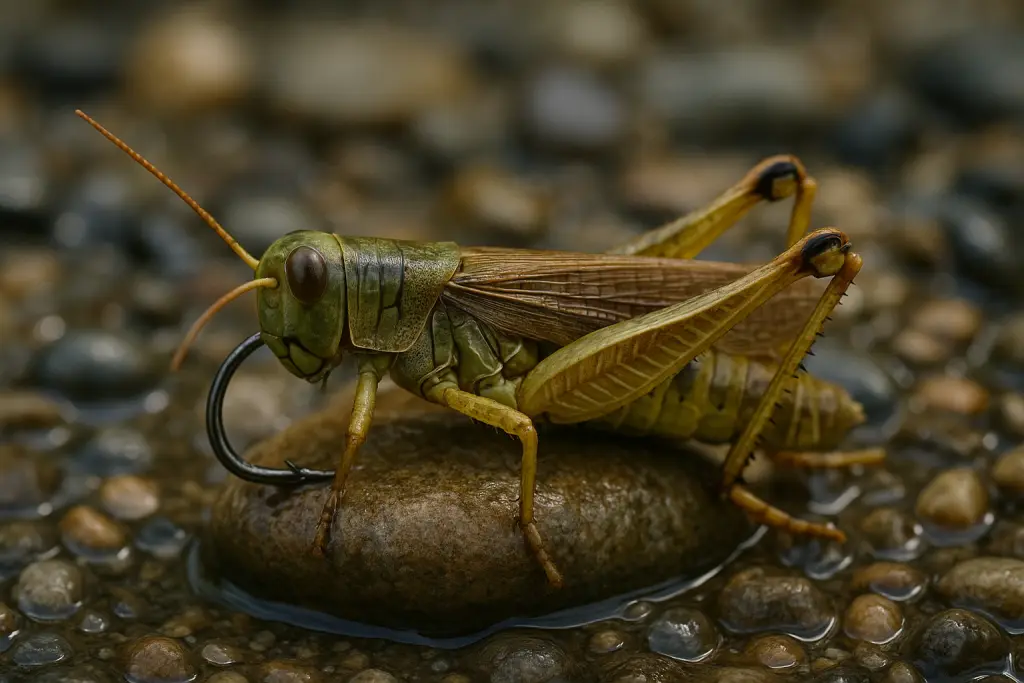
Grasshopper
Excellent summer trout bait in rivers.
★★★★
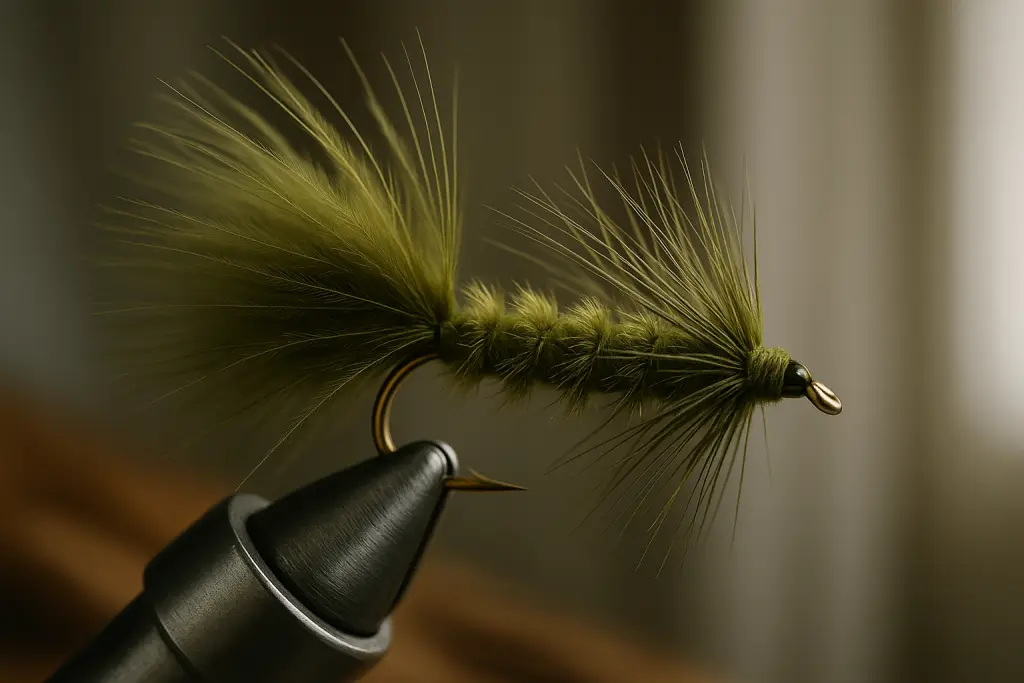
Streamer
The fly that imitates a baitfish. Most effective for big trout and char, in lakes and rivers.
★★★★
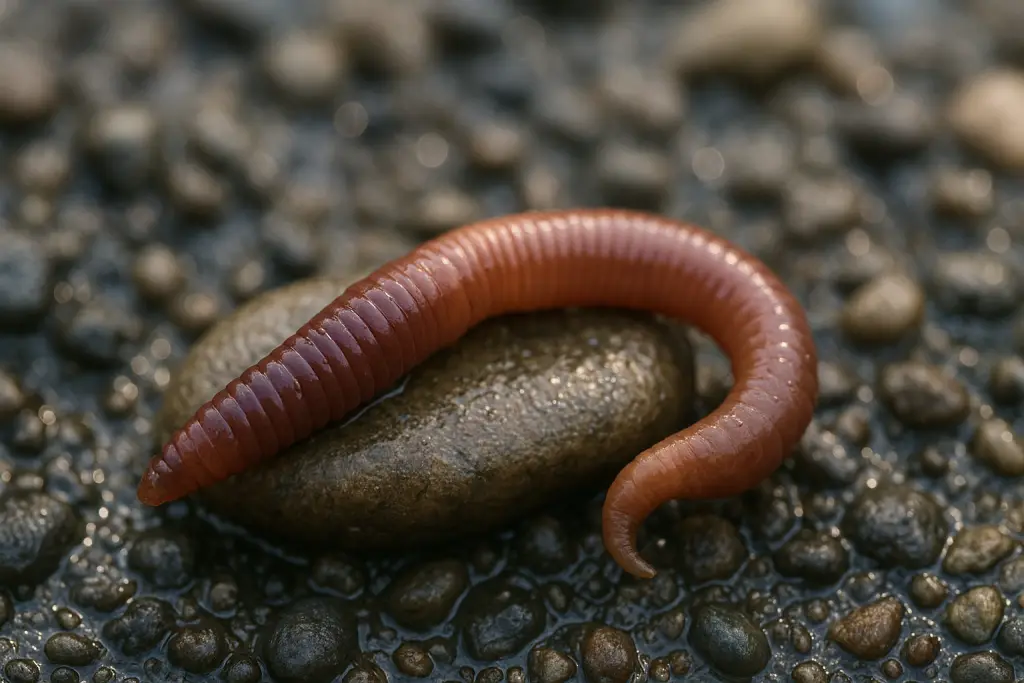
Manure worm
Small lively worm, excellent for trout and yellow perch.
★★★★
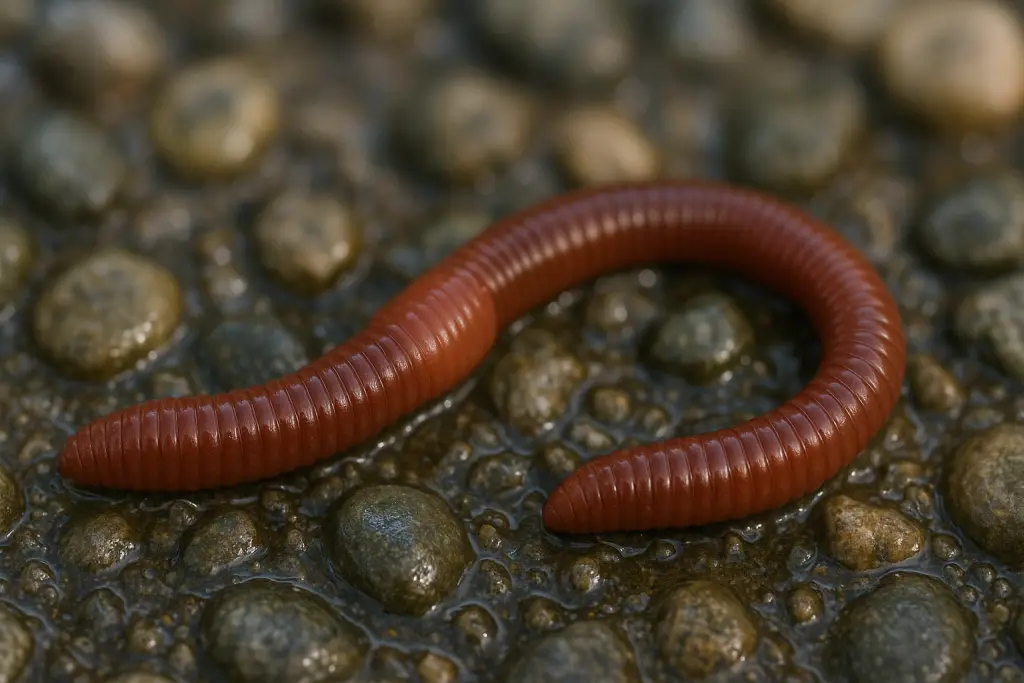
Earthworm
The most versatile natural bait. Almost every Quebec freshwater fish — trout, perch, bass, walleye, pike — eats it.
★★★★★
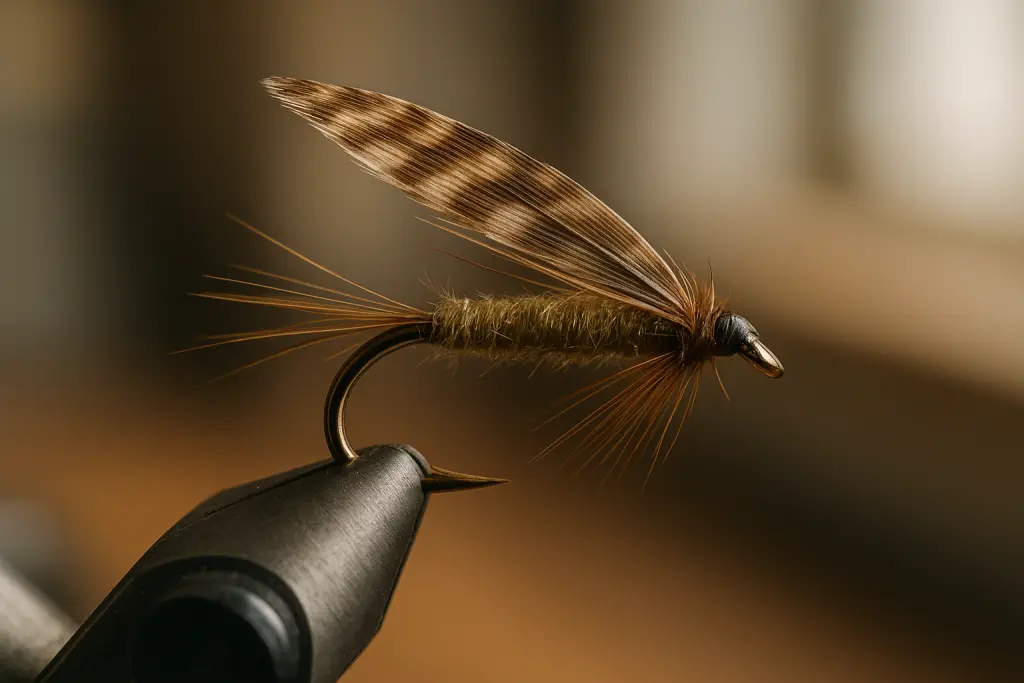
Wet fly
Fly fishing mid-column — traditional method.
★★★
Recommended gear
Recommended gear
For brook trout, a light fishing rod of 1.8 to 2.1 meters is ideal, with a fast action to detect delicate bites. A light spinning or fly reel is recommended, accompanied by a line of 4 to 8 lb. Use hooks size 8 to 12 for natural baits and fluorocarbon leaders for more stealth.
Handling & release
Handling & release
Handle the brook trout carefully to avoid removing its protective mucus. Wet your hands before touching it and minimize time out of the water. For a successful release, hold it gently in the current until it is ready to swim away. For a photo, avoid gripping too tightly and ensure the camera is ready for a quick capture.
Predators
Predators
Predators of the brook trout include larger fish such as pike and yellow perch. Aquatic birds like the great blue heron and the osprey also pose a threat, as do some mammals like the river otter.
Conservation & status
Conservation & status
The brook trout benefits from strict management in Quebec to ensure its sustainability. Regulations include minimum size limits and quotas. Some areas impose mandatory catch-and-release to preserve populations. Adhering to fishing seasons and catch limits is essential for maintaining healthy populations.
Surprising facts
Surprising facts
- ›Ecological indicator: The brook trout is sensitive to pollution, indicating water quality.
- ›World record: A brook trout weighing 6.6 kg was caught in Nipigon River, Ontario.
- ›Migration: Some populations migrate between lakes and rivers to spawn.
- ›The brook trout is the emblematic fish of Nova Scotia.
- ›It can survive in waters as cold as 0 °C.
- ›The brook trout is often confused with the lake trout.
- ›The red spots on its flanks are a distinctive feature.
- ›The brook trout is a member of the Salmonidae family.
- ›It prefers waters with a slightly acidic pH.
- ›The bright coloration is more pronounced in males during spawning.
- ›Brook trout can live at altitudes up to 2,100 meters.
- ›They are often the first fish to colonize newly formed lakes.
- ›Brook trout are known for their resistance to fishing pressure.
Frequently asked questions
Frequently asked questions
What is the best time to fish for brook trout in Quebec?+
What type of lure is most effective for brook trout?+
Is the brook trout sensitive to water temperature?+
How to differentiate a brook trout from a rainbow trout?+
What is the average size of a brook trout in Quebec?+
What is the ideal depth for fishing brook trout in summer?+
Can you fish for brook trout in winter?+
Does the brook trout migrate?+
How does fishing pressure affect brook trout?+
What impact do predators have on brook trout populations?+
Why is the brook trout a good ecological indicator?+
What are the signs of a brook trout ready to spawn?+
Is the brook trout a good fish for beginners?+
What is the lifespan of a brook trout?+
What are the impacts of pollution on brook trout?+
Recommended gear
What to use for trout
Our go-to picks, from our ranking of 8 compared products.


Affiliate links: as an Amazon Associate we earn from qualifying purchases, at no extra cost to you. Prices from Amazon, may vary.
Member catches
No catches yet for this species. Be the first!
Have you caught speckled trout?
Share your photo with fellow anglers — show off your catch!
Be the first to share your catch of this species.
A photo, your first name and the spot are enough — no account needed.