Pêcheur Québec
Published on June 30, 20265 min read
Pillar guide comparing summer fishing and ice fishing in Quebec: access, gear, winter's headline species, techniques, ice safety, regulations and 15 FAQs.
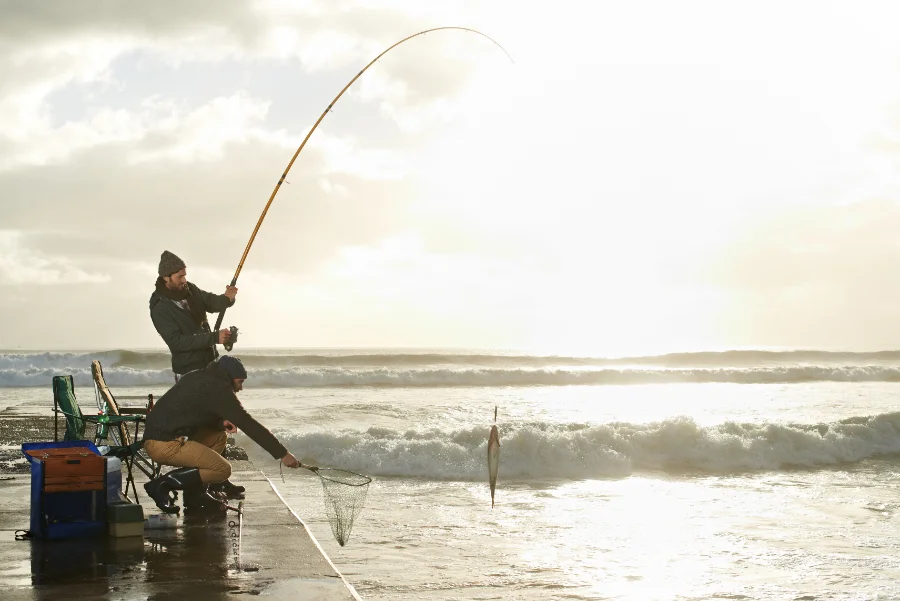
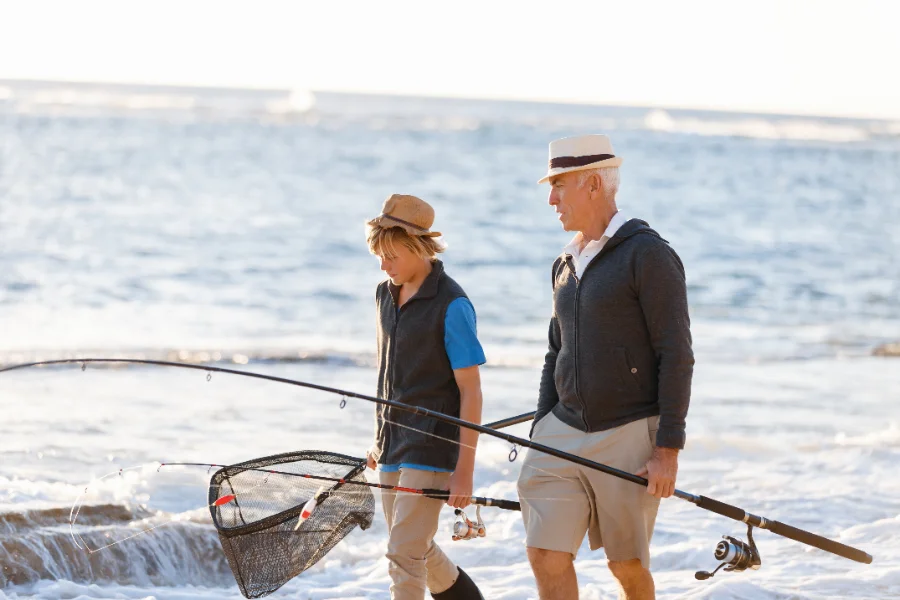
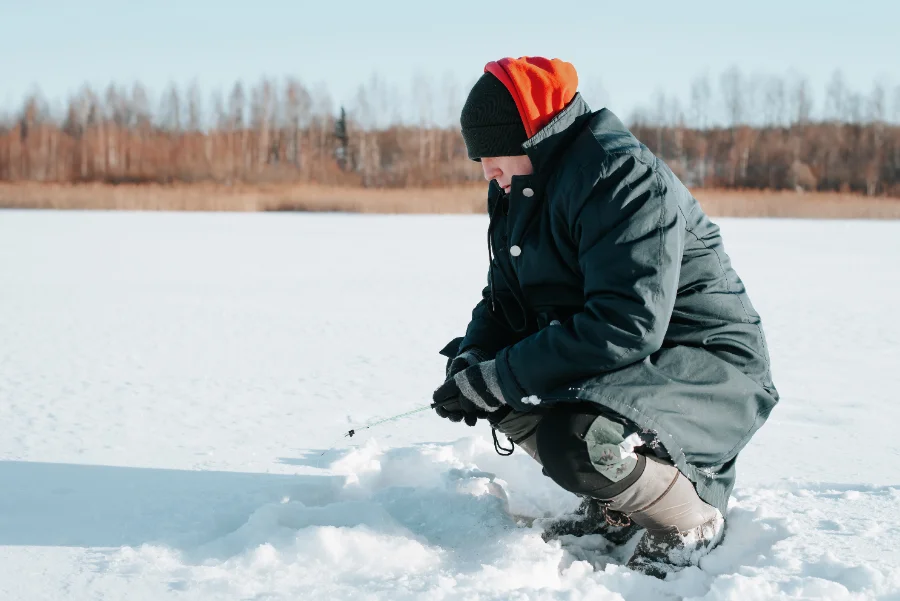
Fishing in Quebec comes in two very different seasons: summer, rod in hand on a shimmering lake, and winter, kneeling over a hole drilled through the ice. This pillar guide compares summer fishing and ice fishing — access, gear, species, techniques and safety — so you can enjoy our waters year-round. For the big picture, keep our complete Quebec fishing guide close.
Key takeaway — Summer rewards mobility (boat, long days, open water); winter rewards focus and the comfort of a shelter over a fish spotted on sonar. Both seasons require a valid license, but the regulations (dates, number of lines) often change from one season and one zone to another.
Summer vs winter: the key differences
In summer you fish open water: you cover ground by boat, work shorelines, shoals and drop-offs, and adjust your rigs through the day. In winter the water freezes: you drill the ice, drop your lines vertically and let the fish come to you. The pace, the gear and even the mindset are completely different.
| Aspect | Summer | Winter |
|---|---|---|
| Water access | Boat ramp, dock, shoreline | Walk or snowmobile on the ice, marked trails |
| Movement | Boat (skiff, pontoon, kayak) | On foot, sled, fixed or portable shelter |
| Key gear | Casting/spinning rods, motor, sonar | Auger, shelter, tip-ups, short ice rod, flasher |
| Rigs | Lures, spoons, live bait, fly, sinkers | Small jigging spoons, baited hooks, live minnow |
| Safety | Life jacket, weather, sunstroke | Ice thickness, cleats, rope, hypothermia |
| Comfort | Heat, mosquitoes, long days | Cold, wind — heated shelter, layered clothing |
| Vibe | Mobile, sporty, exploratory | Static, social, patient |
Summer rewards active prospecting: you switch spots, vary lures and follow fish that move with water temperature. Winter rewards organized patience: a good hole in the right place, a few well-set tip-ups and a flasher showing fish passing through. Many anglers love both precisely for that contrast.
Winter's headline species
Ice fishing doesn't target quite the same fish as summer. Some species even become more accessible under the ice, because they gather in schools in predictable holes. Here are the stars of the cold season in Quebec:
- Yellow perch: the queen of ice fishing. Schooling, aggressive, perfect for introducing kids. Caught on a small baited hook (worm or maggot), often in dense schools.
- Walleye: highly prized, biting mostly at dawn and dusk. Small jigging spoons and live minnows near the bottom.
- Northern pike: winter's explosive predator. Fished on tip-ups baited with a minnow or smelt, over weedbeds and bays.
- Lake trout (touladi): a deep, cold-water fish that stays active all winter in big lakes. It demands deep sounding and patience.
- Brook trout: found in several lakes open to winter fishing, it takes small lures and fine baits.
- Rainbow smelt: small but very popular, fished in schools, often at night under a shelter, on multiple tiny hooks.
- Burbot: an underrated, tasty fish, active at night in winter, biting on baits near the bottom.
For technique specific to each, see our dedicated article on winter fishing species, then find the waters on the spots map.
Ice fishing essentials
Ice fishing needs specific but accessible gear. Here are the four pillars:
- The shelter: a fixed cabin rented on a serviced site, or a portable shelter (tent) you move as bites dictate. A heated shelter turns a freezing day into a comfortable outing.
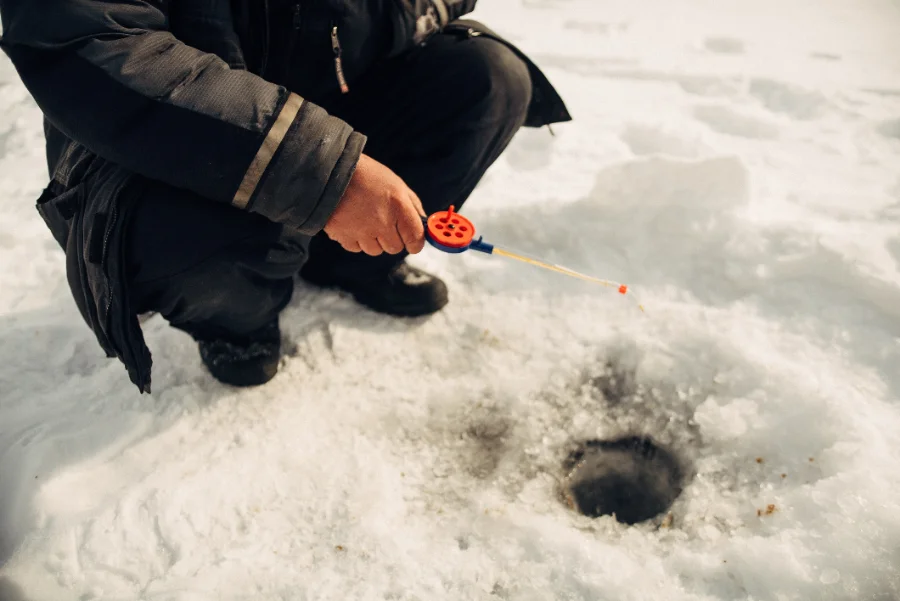
- The auger: manual, battery or gas-powered, it drills the ice. The thicker the ice, the more a powered auger saves time.
- Tip-ups: these small flag rigs signal a bite from a distance while you watch several holes. Ideal for pike and walleye.
- The ice rod and sonar: a short rod for vertical jigging, and a flasher showing depth and fish in real time — a true game-changer.
If you're starting out, keep it simple: a shelter, an auger, two or three lines and live bait are enough for a first successful outing. Our guide on ice fishing for beginners details the basic gear and first moves.
Ice safety
Ice does not forgive improvisation. No ice is ever 100% guaranteed: it varies with currents, snow, springs and weather. Always check thickness locally, drilling as you go.
Key takeaway — For guidance only: roughly 10 cm of clear, solid ice to walk on, more for a snowmobile or ATV, and much more for a vehicle. These benchmarks never replace an on-site check and local advice.
A few golden rules: never venture alone onto unfamiliar ice, tell someone your route, wear cleats and keep ice picks (safety spikes) around your neck. Beware of areas near river mouths, currents and snow-covered ice that hides weak spots. At the start and end of the season, caution must be maximal.
Regulations: what changes in winter
The rules are not identical summer and winter. The winter season opens and closes on dates specific to each fishing zone, and some species or waters stay closed in winter. Important point: on the ice, the number of allowed lines is often higher than in open water (for example several tip-ups per angler in certain zones) — but that number varies by zone.
Before each outing, confirm three things: that your fishing license is valid, the opening dates for your zone in winter, and the regulations that apply (catch limits, sizes, number of lines). Rules change every year: always check the current official information.
Summer or winter: which to choose?
There's no wrong answer. Summer suits those who like to move, explore by boat and enjoy long days. Winter appeals for its social, contemplative and accessible side — often cheaper to start and ideal for families thanks to perch. The best move? Try both and let the season set your style. Whatever the time of year, the adventure starts on the spots map.
?Frequently asked questions
What is the main difference between summer fishing and ice fishing?
Do you need a license to fish on the ice in Quebec?
Which species are caught most in winter?
How thick must the ice be to walk on it?
What basic gear do you need to start ice fishing?
What is a tip-up for?
Is ice fishing good for children?
Can you fish with more lines in winter?
When does the winter fishing season open?
Is a sonar useful under the ice?
Is summer fishing more productive than winter?
How do you stay safe on the ice?
Which shelter should you choose for ice fishing?
Is snow-covered ice safer?
Where do you start to plan an outing?
Go further
Buyer’s guides