Chargement...
Complete guide
Largemouth Bass
Overview
The largemouth bass is one of the most sought-after sport fish in Quebec. Known for its aggressiveness and spectacular fight, it attracts anglers of all levels. Its distribution is mainly concentrated in southern Quebec, where it frequents lakes and rivers with warmer waters. Its natural habitat includes areas with an abundance of aquatic vegetation, making it an excellent choice for casting enthusiasts. The popularity of the largemouth bass is due to its unmatched fighting ability and its propensity to bite a variety of baits and lures, making each fishing trip exciting and unpredictable.
Angler indices
Identification
Identification
The largemouth bass has a robust body that is slightly laterally compressed. Its color varies from olive green to dark green on the back, with lighter sides and a white belly. A dark lateral band, sometimes interrupted, is often visible from the eye to the tail. Its mouth is wide and extends beyond the eye, giving it its name. The dorsal fins are separated into two distinct parts, the first being spiny and the second softer. The tail is slightly forked. The scales are small and cover the entire body. Young bass have more pronounced patterns than adults, with more distinct bands. During spawning, males develop brighter colors and become very territorial, while females tend to be paler.
How to tell it apart
The largemouth bass can be confused with the smallmouth bass.
| Criterion | Largemouth Bass | Smallmouth Bass |
|---|---|---|
| Mouth Size | Extends beyond the eye | Does not extend past the eye |
| Lateral Band | Present | Absent or very pale |
| Habitat | Warm waters and dense vegetation | Clear and rocky waters |
Distribution in Quebec
Distribution in Quebec
The territory of the largemouth bass in Quebec is mainly located in the southern regions, notably in Montérégie, Estrie, and Outaouais. It is also present in some lakes and rivers of Abitibi-Témiscamingue. This species prefers warmer waters and is often absent from more northern areas of Quebec, where water temperatures do not meet its biological needs. Its presence is more marked in the watersheds of the Saint Lawrence River and its tributaries.
Habitat
Habitat
The largemouth bass favors lakes and rivers with calm, shallow waters, often rich in aquatic vegetation. It is frequently found in areas with lily pads, weed beds, and submerged structures such as tree trunks or rocks. The ideal depth for finding it ranges between 3 and 13 feet, although it can move deeper depending on temperature and food availability. In summer, it seeks areas where the water is warmer, while in autumn, it may move to deeper waters in search of prey.
Life cycle
Life cycle
The spawning of the largemouth bass occurs in the spring when the water temperature reaches about 64 to 72 °F. Males build shallow nests in sandy or gravelly areas, often near vegetation. Once the eggs are laid by the female, the male guards and aggressively protects them until they hatch, which occurs after about a week. The fry feed on zooplankton before moving on to larger prey as they grow. Sexual maturity is reached around 3 to 4 years of age, and they can live up to 16 years in optimal conditions.
Spring → Spawning → Summer → Growth → Autumn → Foraging → Winter → Slowed metabolism.
Behaviour
Behaviour
The largemouth bass is an opportunistic and territorial predator. It is generally solitary, except during spawning when males become very protective of their nest. This fish is sensitive to changes in light and prefers to hunt at dusk or dawn. Weather conditions, such as wind and atmospheric pressure, influence its feeding behavior. In case of noise or disturbances, it may hide in dense vegetation or near submerged structures for protection.
Diet
Diet
Young largemouth bass feed primarily on zooplankton and small aquatic insects. As they grow, their diet expands to include fish, crustaceans, amphibians, and even small aquatic birds. In summer, they are more active and primarily hunt at dawn and dusk. In autumn, they increase their intake to build up fat reserves in anticipation of winter, where their activity and feeding decrease significantly.
Seasons & best times
Seasons & best times
In spring, as the water temperature begins to rise, the largemouth bass becomes more active, particularly during the spawning period. In summer, it is easiest to catch early in the morning and late in the evening when the light is low. Overcast or slightly rainy days are also favorable for fishing. In autumn, it focuses on building reserves, making it more aggressive in its search for food. In winter, its activity decreases, and it becomes difficult to locate, although it can be caught in deeper waters where the temperature is stable.
Fishing techniques
Fishing techniques
Soft lure fishing
Ideal for areas with lots of vegetation. Soft lures mimic natural prey and are effective year-round. Be sure to animate the lure by mimicking the movements of an injured fish. Use a jig head to adjust the depth.
Crankbait fishing
Effective in summer and autumn when the bass is actively hunting. The crankbait covers a lot of ground quickly. Vary the retrieval speed to stimulate an attack. Beware of snags in vegetation.
Spinnerbait fishing
Perfect for slightly murky waters. The spinnerbait creates vibrations and bright flashes that attract bass. Use fast and erratic retrieves. Avoid areas with too many obstacles to minimize snags.
Fly fishing
For experienced anglers. Offers a unique challenge and requires precision. Flies imitating insects or small fish are the most effective. Use light rods for better control.
Jig fishing
Versatile and effective all year round. Jigs can be used at different depths and mimic natural prey well. Vary colors according to water clarity. Pay attention to presentation to encourage a strike.
Senko fishing
Use a senko lure to mimic a falling worm. Very effective in calm and clear waters. Let the lure sink naturally without too much movement. Avoid jerky pulls that can scare the fish.
Lures & colours
Recommended lures & flies
In clear waters, use lures with natural colors like green, brown, or white to mimic local prey. In murky water, brighter colors like chartreuse, pink, or orange may be more effective. On sunny days, metallic or shiny colors that reflect light can attract the bass's attention. On overcast days, opt for dark colors that stand out better in the water.
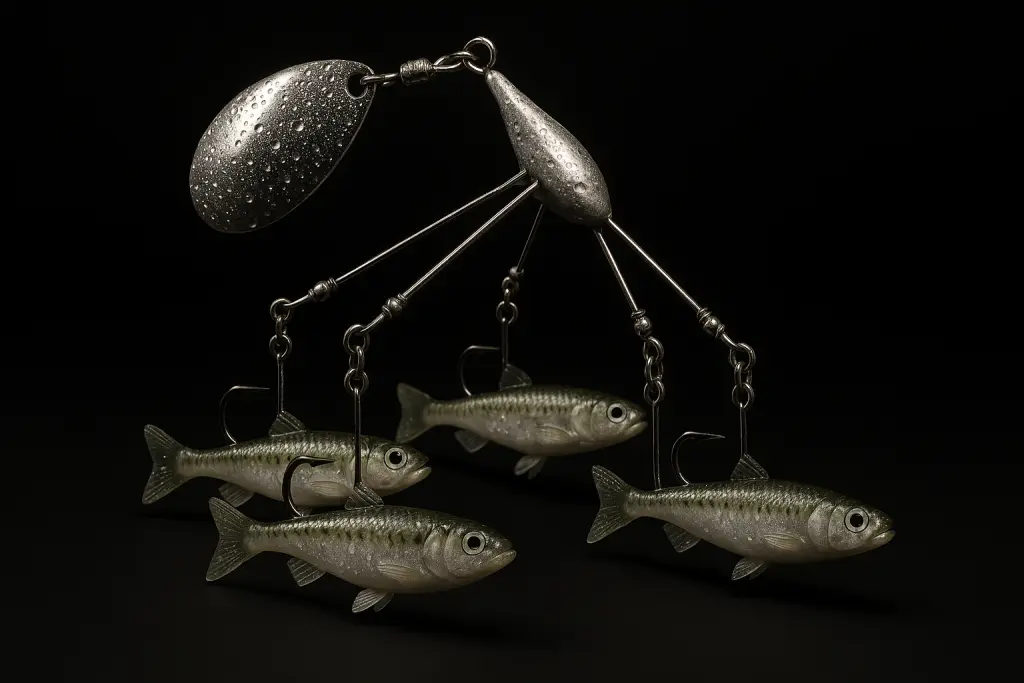
Alabama rig
5-arm system imitating a baitfish school — big predator.
★★★★
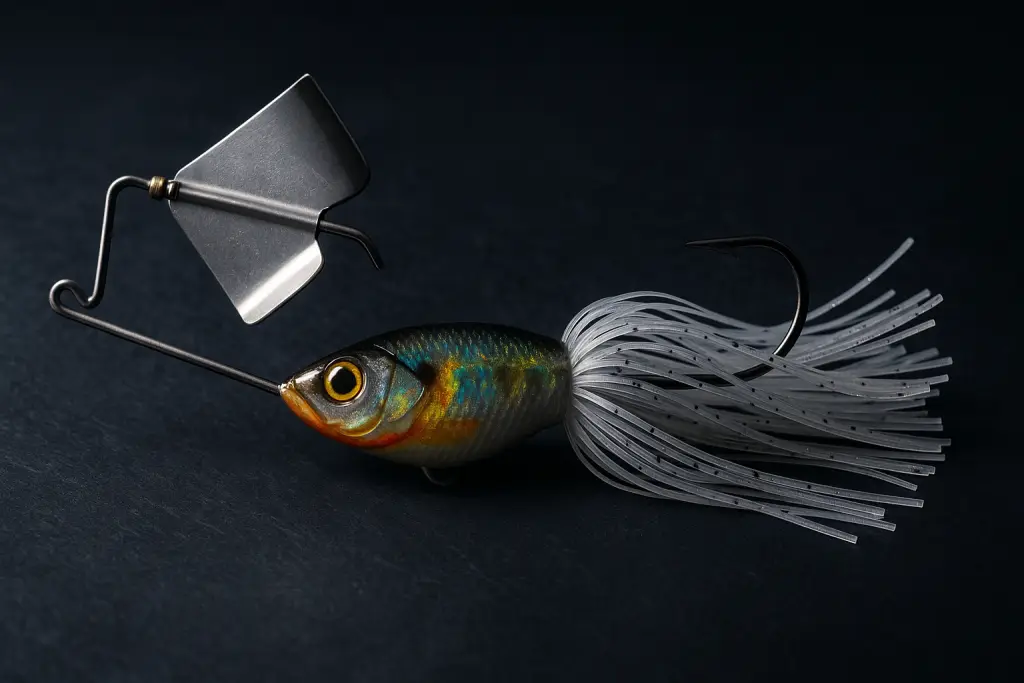
Buzzbait
Attracts bass and pike with its irresistible splashing in shallow waters.
★★★★
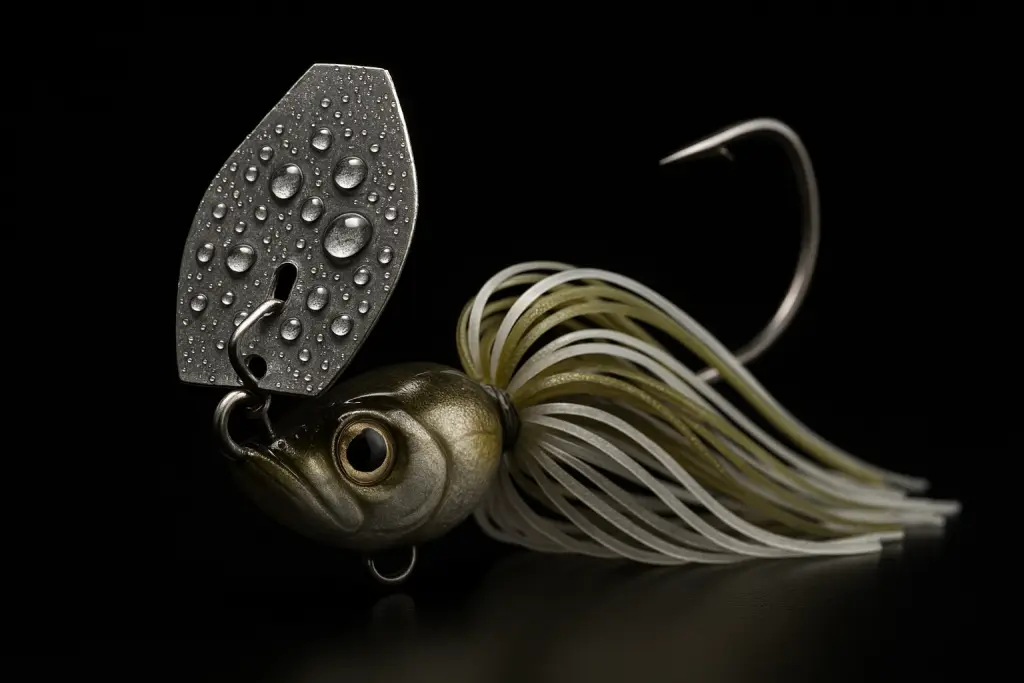
Chatterbait
Ideal for bass and pike, the chatterbait vibrates strongly in murky waters.
★★★★★
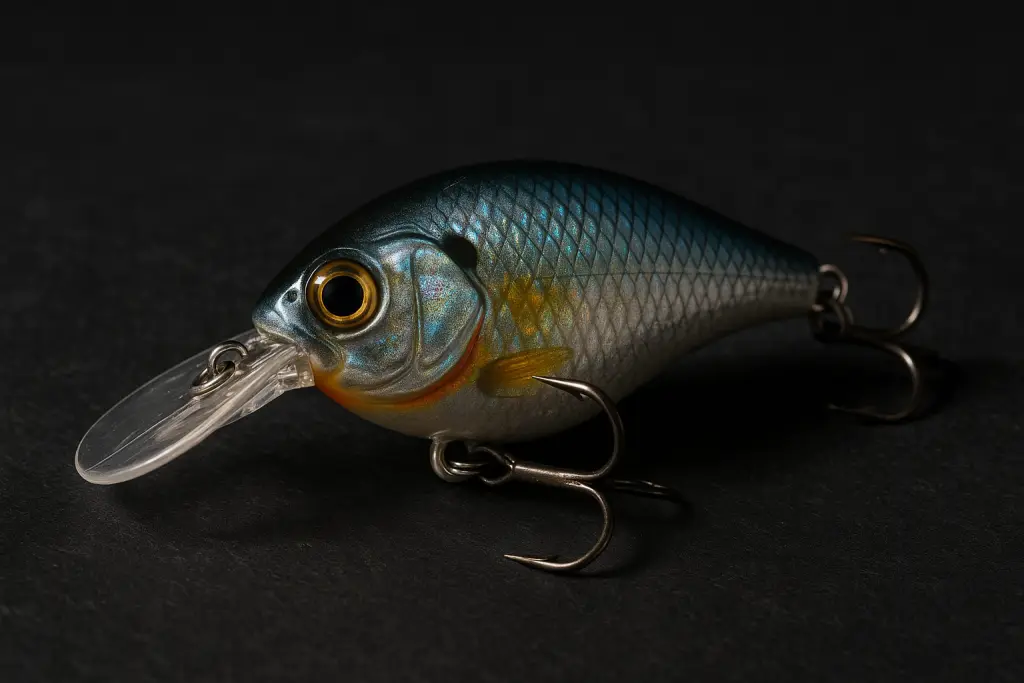
Crankbait
A hard plug shaped like a small fish with a diving lip. Built to cover water and find active fish.
★★★★★
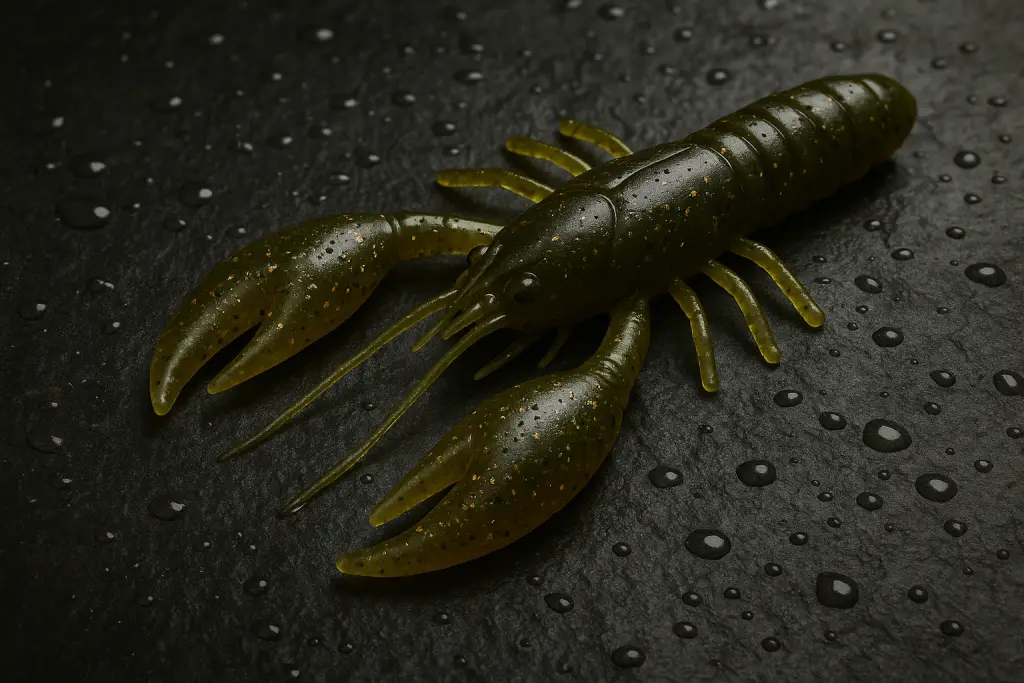
Craw bait
Perfectly mimics a crayfish to entice bass in clear or murky waters.
★★★★★
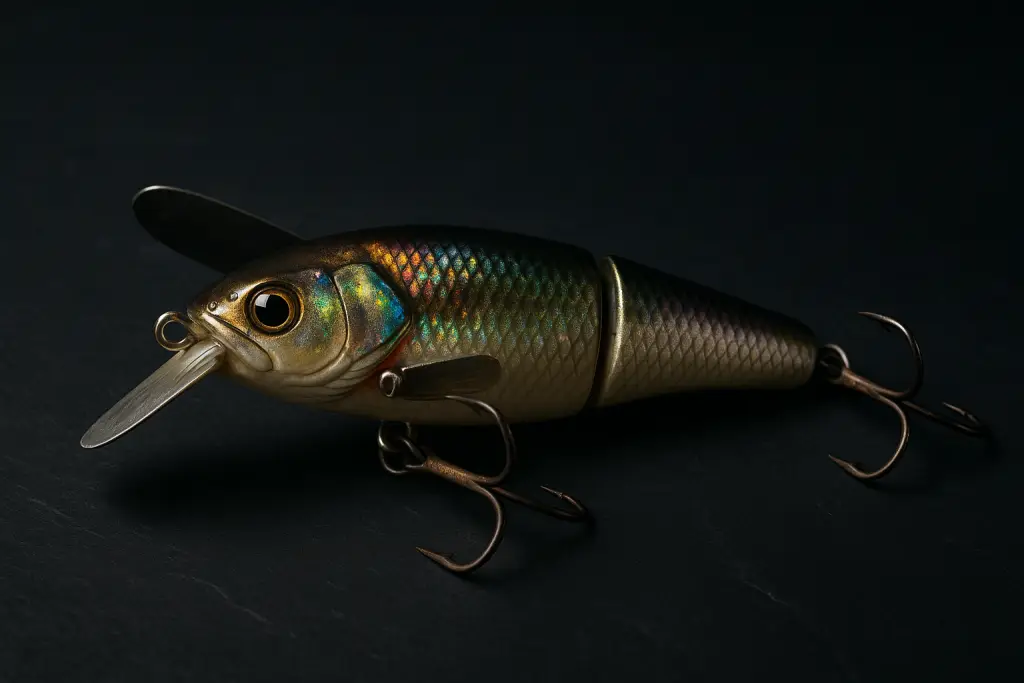
Crawler
Topwater with metal wings that clack.
★★★
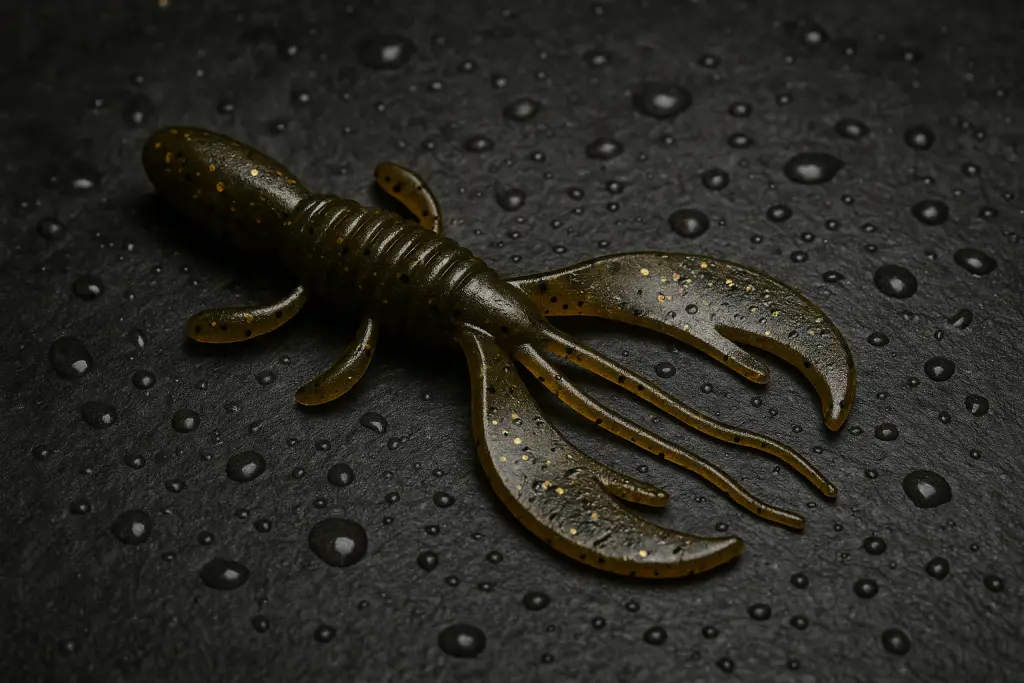
Creature bait
Mimics a natural prey for bass, perfect in cluttered or weedy waters.
★★★★
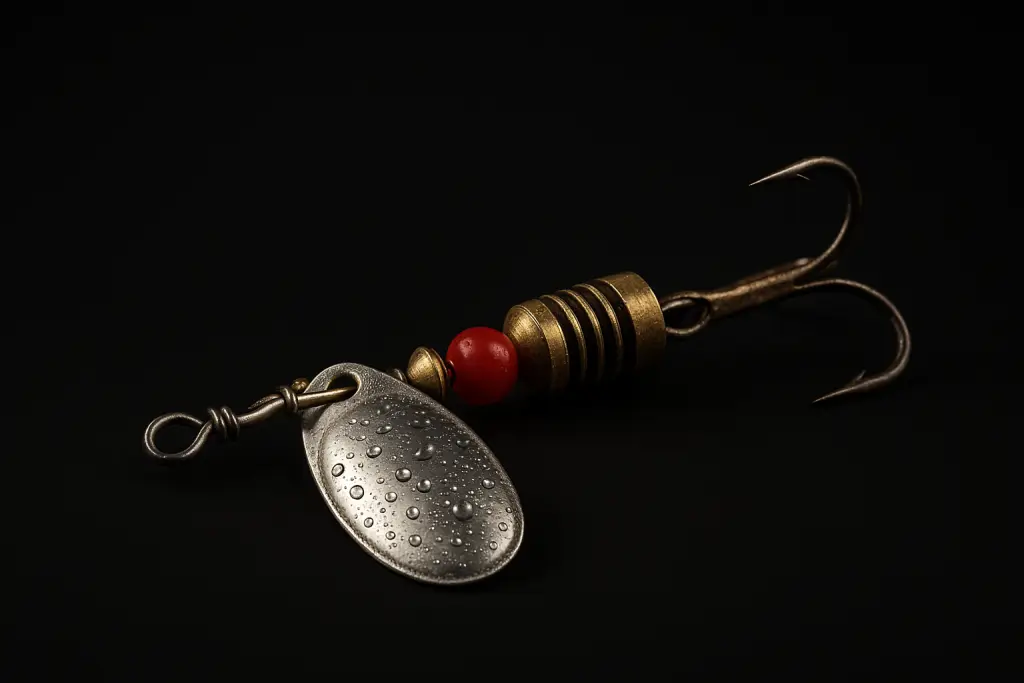
Cuillère tournante
Ideal for attracting trout and bass, this vibrating spoon shines in clear water.
★★★★★
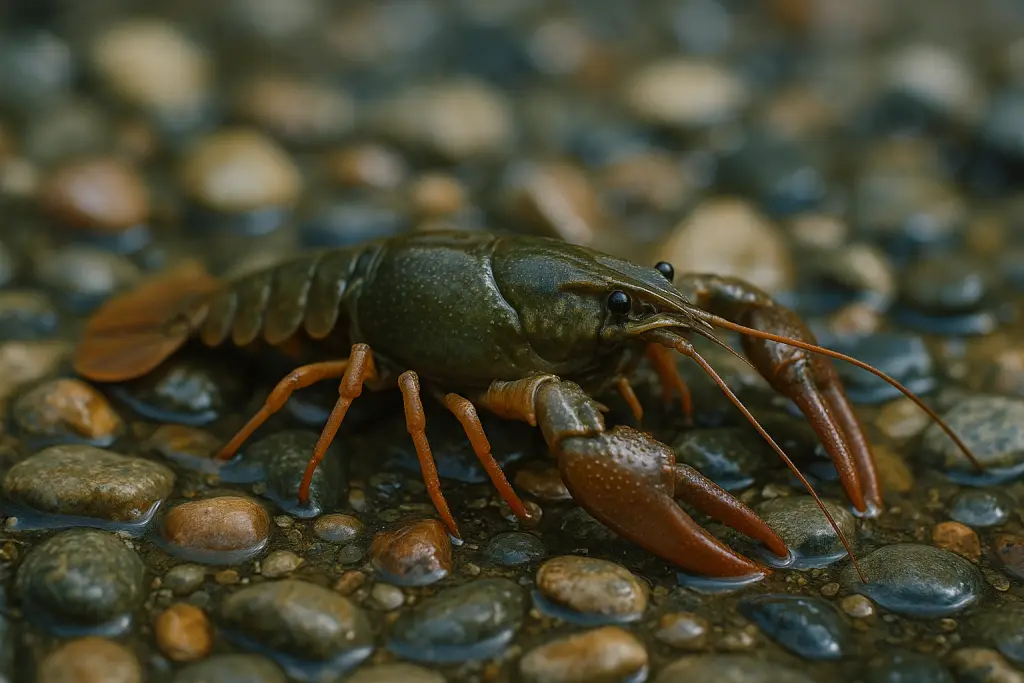
Écrevisse
Irresistible crayfish for bass, perfect in the clear, rocky waters of Quebec.
★★★★★
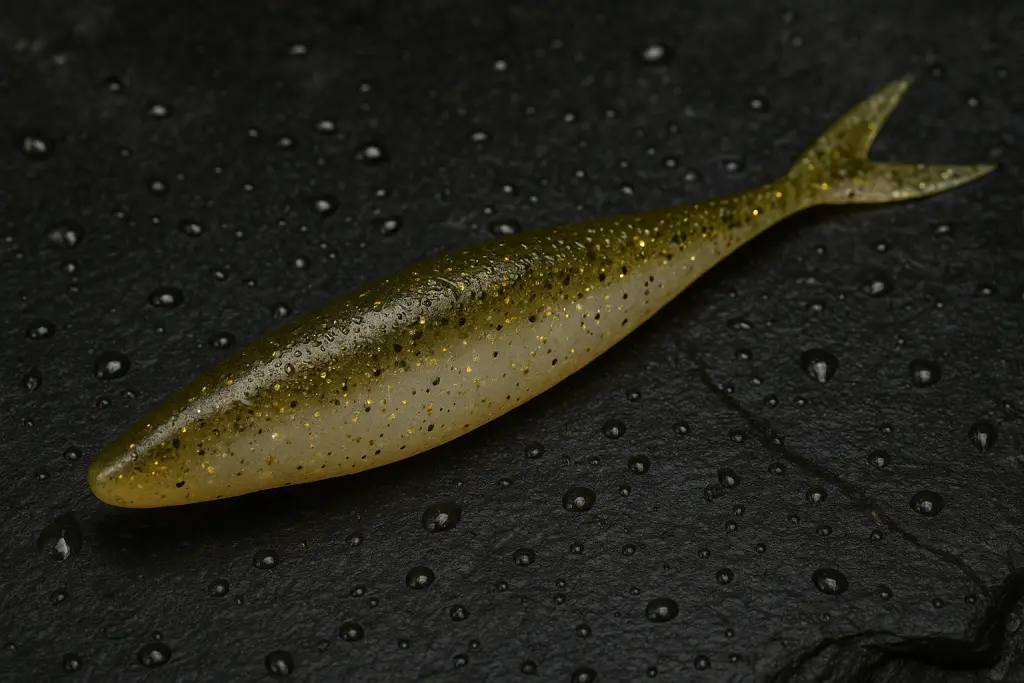
Fluke
Versatile soft lure for bass and pike, ideal in calm and clear water.
★★★★
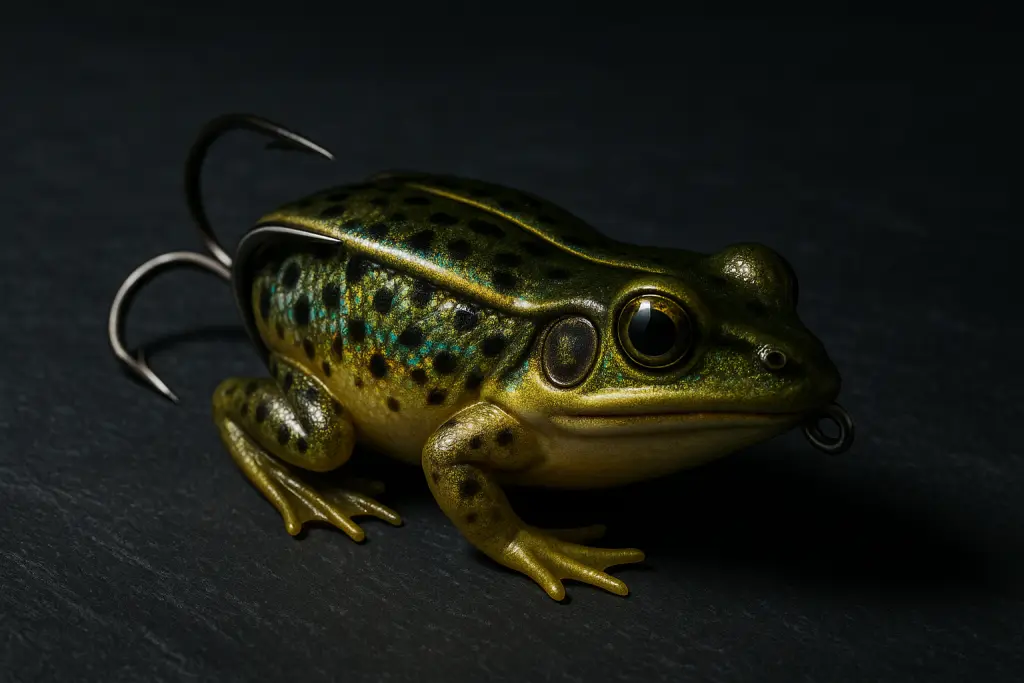
Floating frog
Rigid floating frog for lily-pad fishing.
★★★★
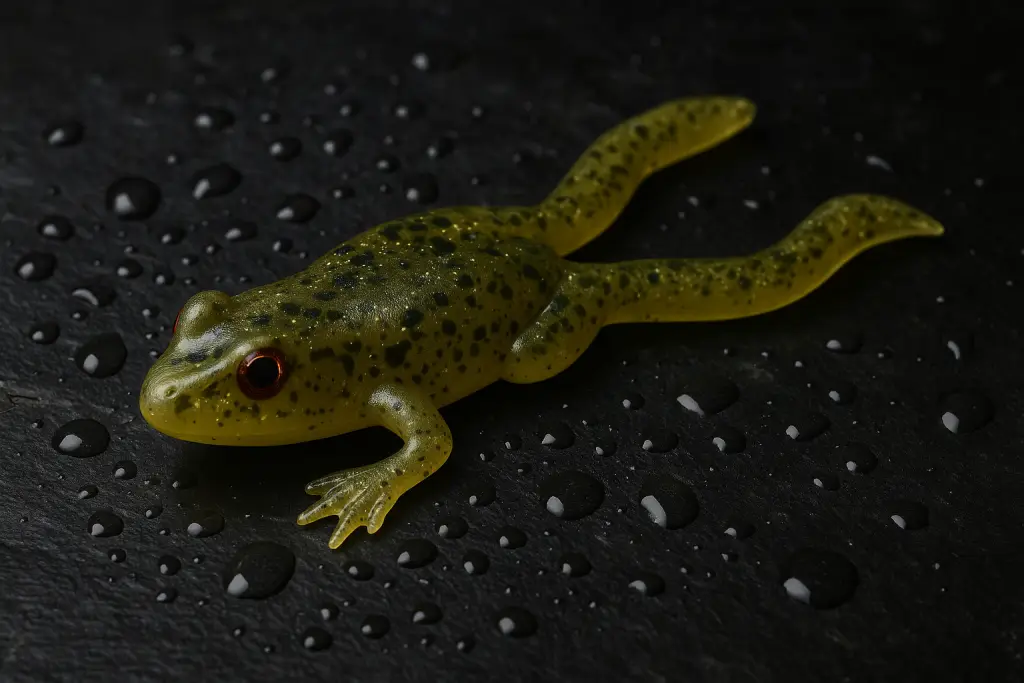
Frog souple
Ideal for bass and pike, this soft frog perfectly imitates a frog on the surface.
★★★★
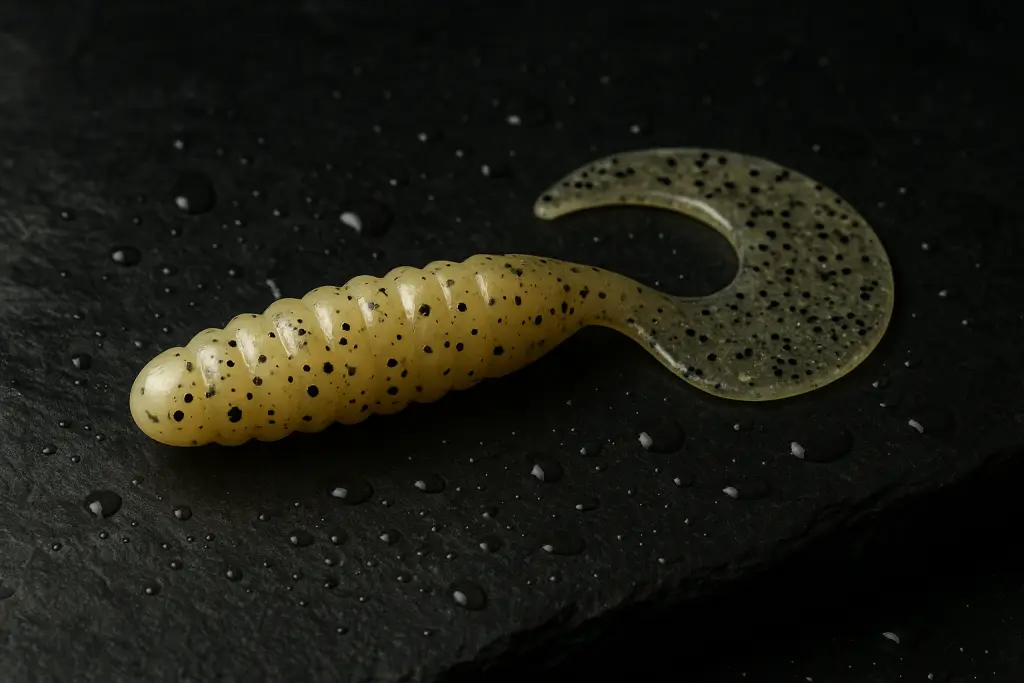
Grub
Irresistible soft grub for walleye, perch, and bass, perfect for clear or stained waters.
★★★★
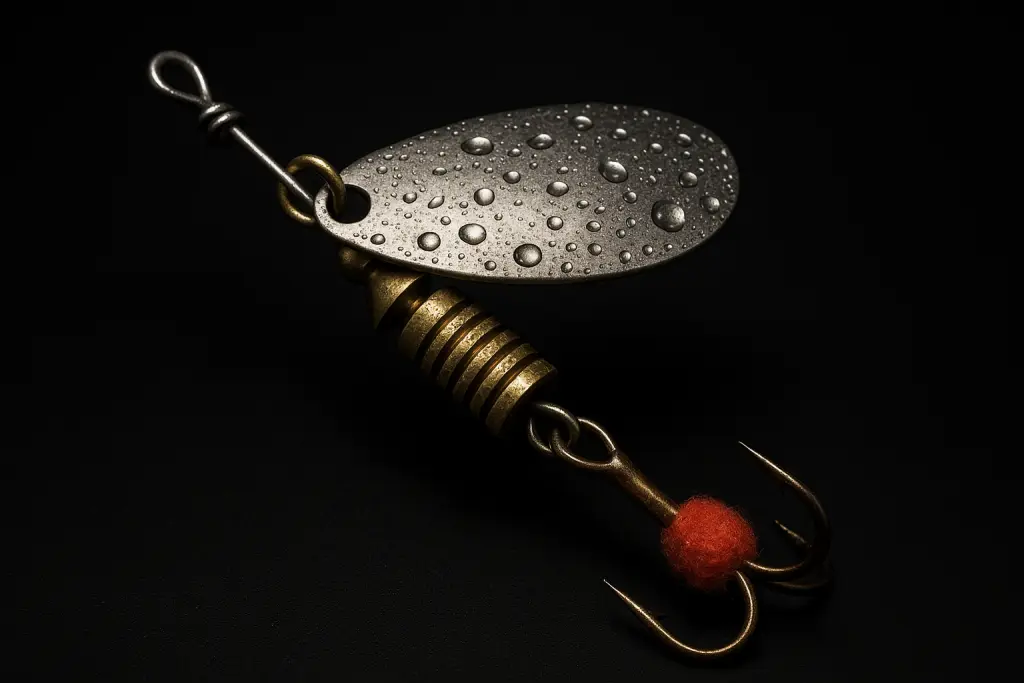
Inline spinner
Metal spinner that attracts trout and bass with its irresistible vibrations in clear waters.
★★★★
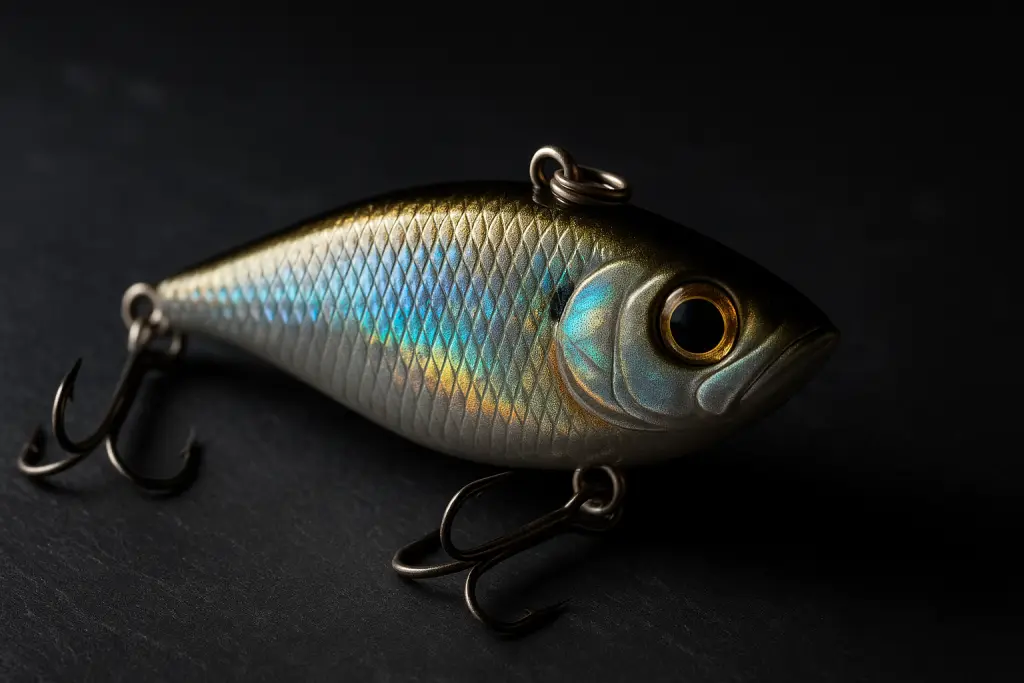
Lipless crankbait
Lipless crankbait that vibrates strongly for bass, pike, and walleye in open waters.
★★★★
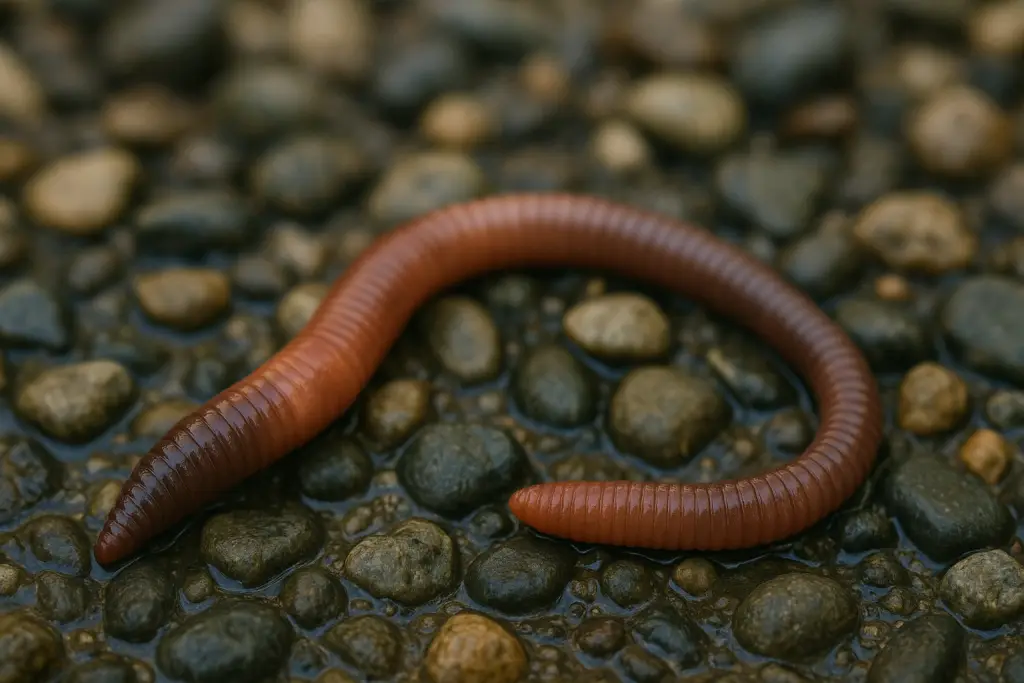
Nightcrawler
Live earthworms, perfect for enticing walleye, perch, and bass.
★★★★★
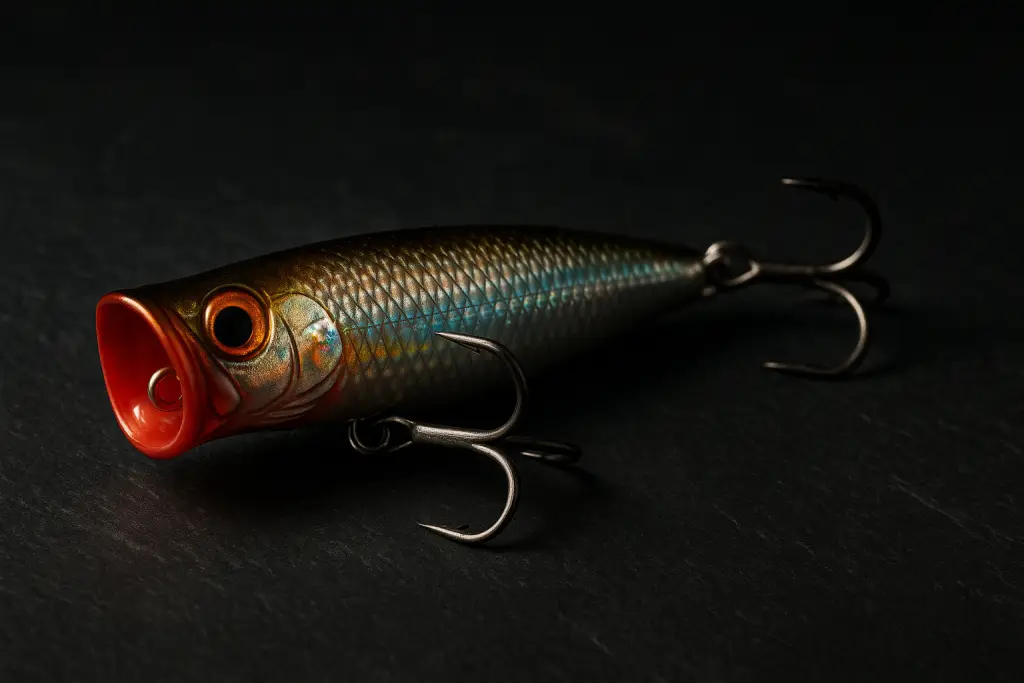
Popper
Ideal for bass and pike, this popper creates irresistible surface splashes.
★★★★
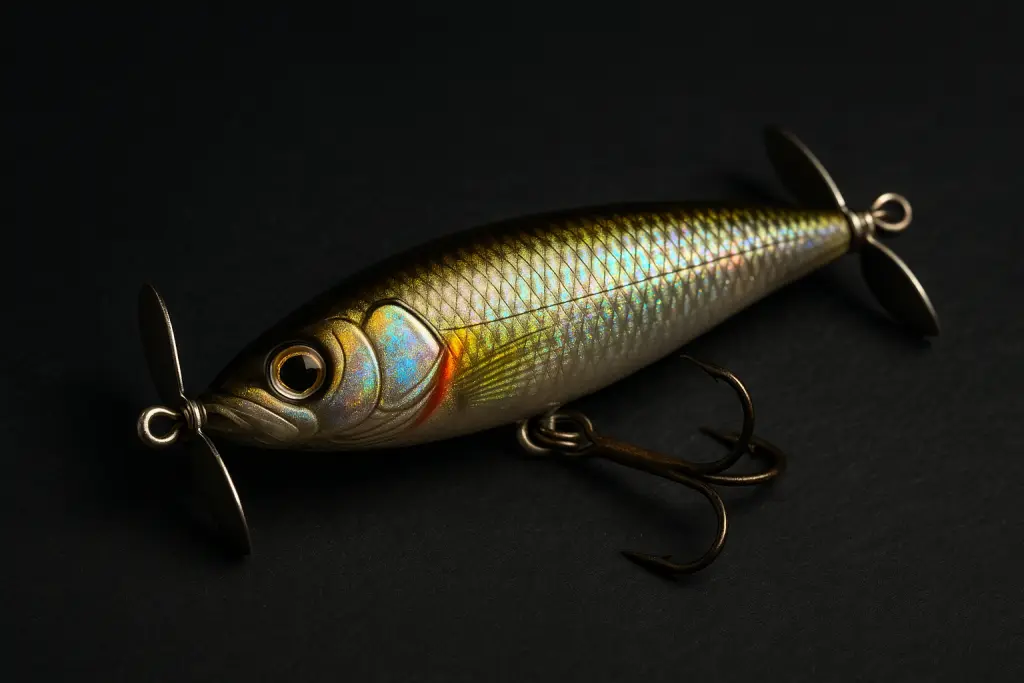
Prop bait
Ideal lure to trigger the aggression of bass and pike in shallow waters.
★★★
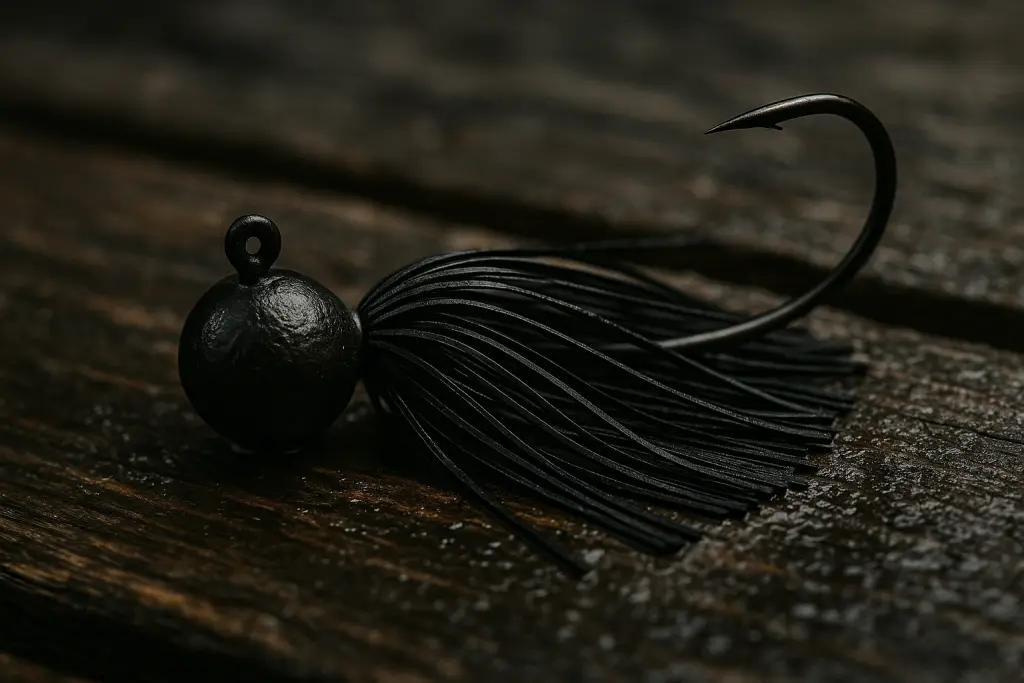
Round jig head
Round lead head + hook. Universal base for any soft plastic or live minnow combo.
★★★★★
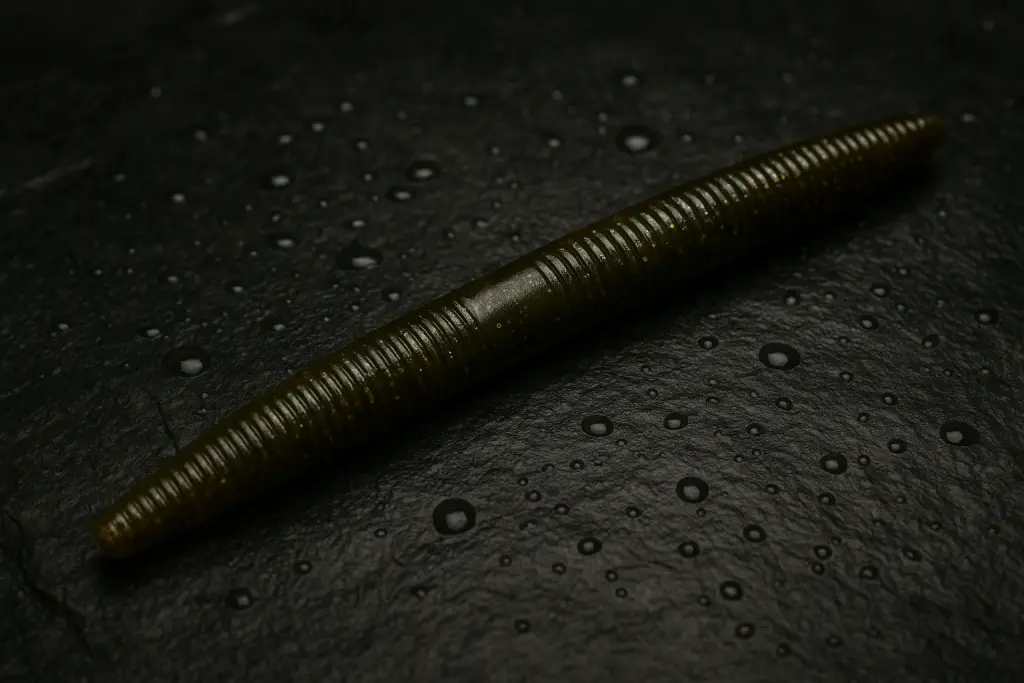
Senko
Mimics an irresistible earthworm for bass, perfect for calm, shallow waters.
★★★★★
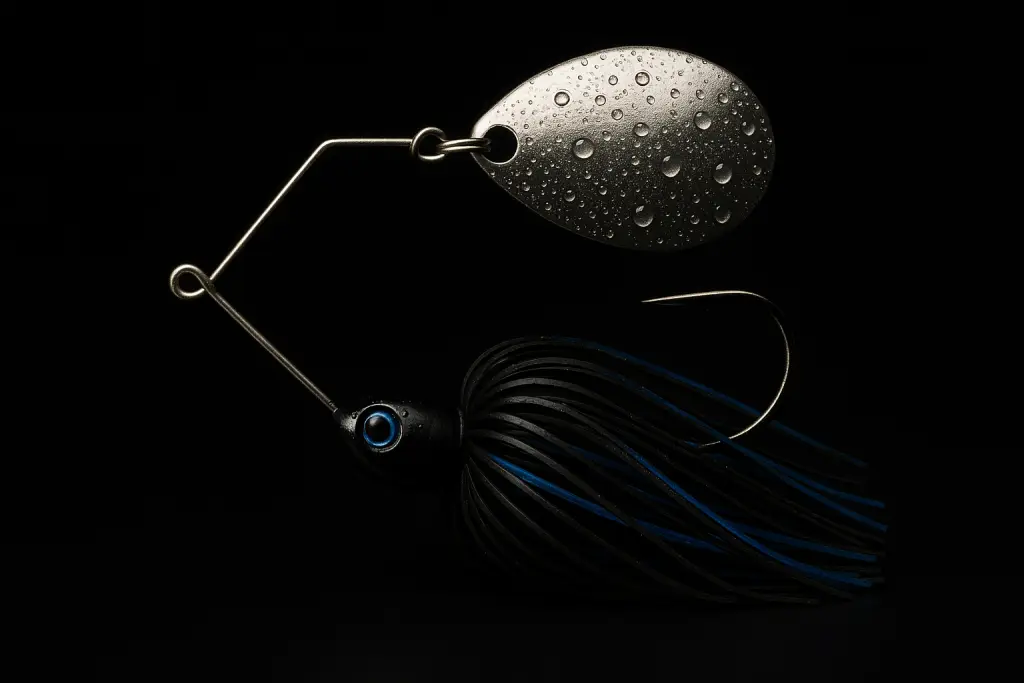
Spinnerbait
The go-to pike weapon. One or two flashing blades + a silicone skirt. A Quebec staple.
★★★★★
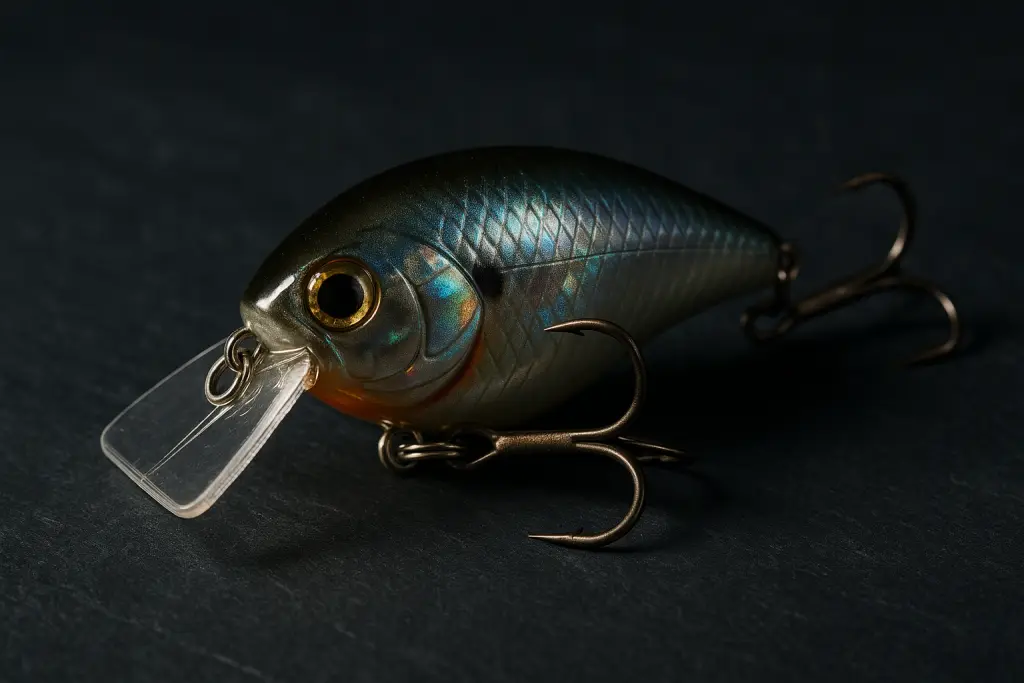
Squarebill
Square-bill crankbait — bounces off cover, top shallow water.
★★★★
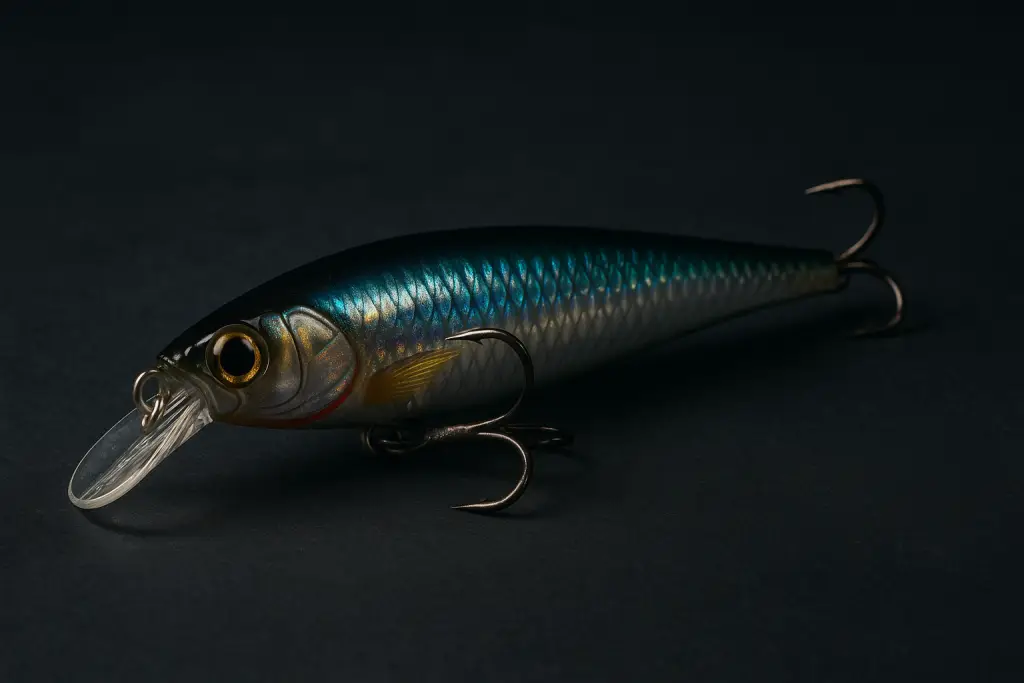
Stickbait
Versatile stickbait ideal for attracting bass and pike in calm waters.
★★★★
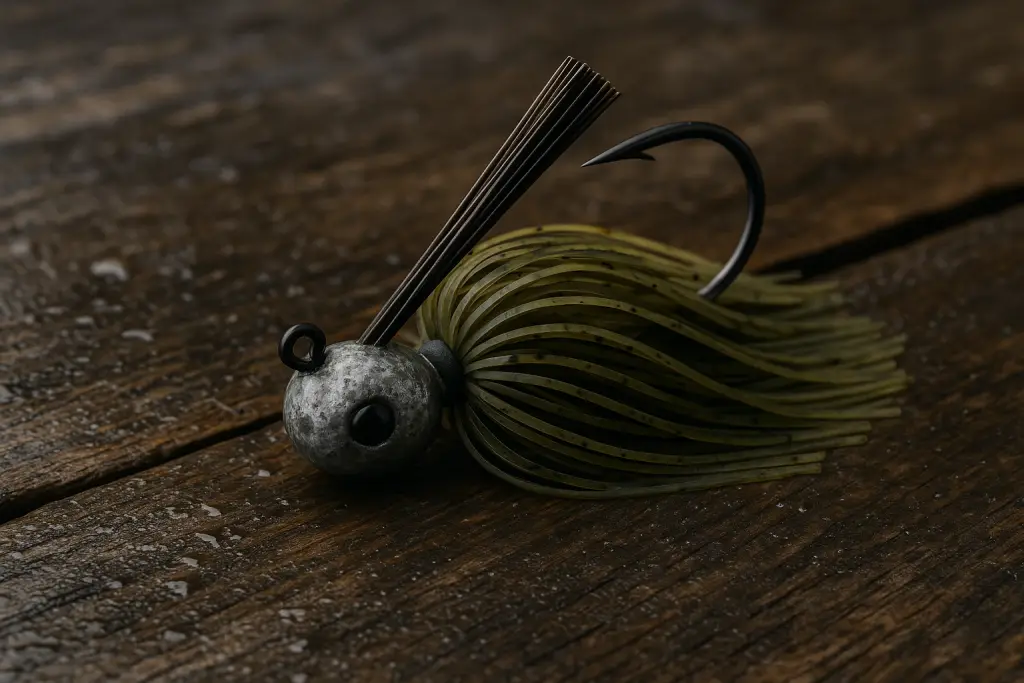
Swim jig
Ideal swim jig for bass and pike in shallow, weedy waters.
★★★★
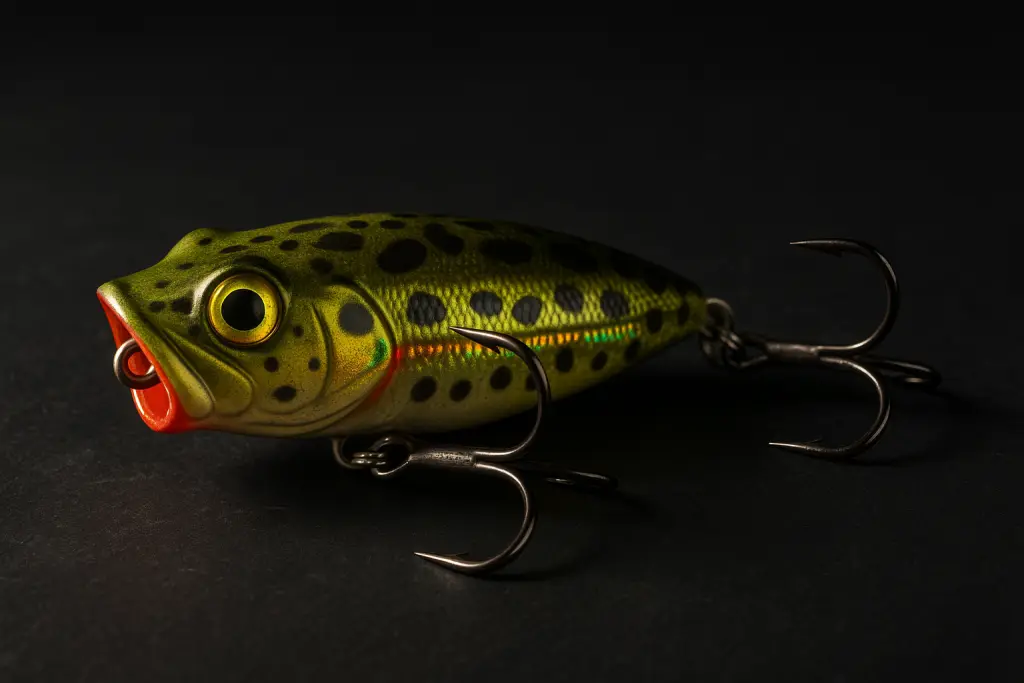
Topwater
The surface lure — the most spectacular strike in fishing. For bass and pike at dawn and dusk.
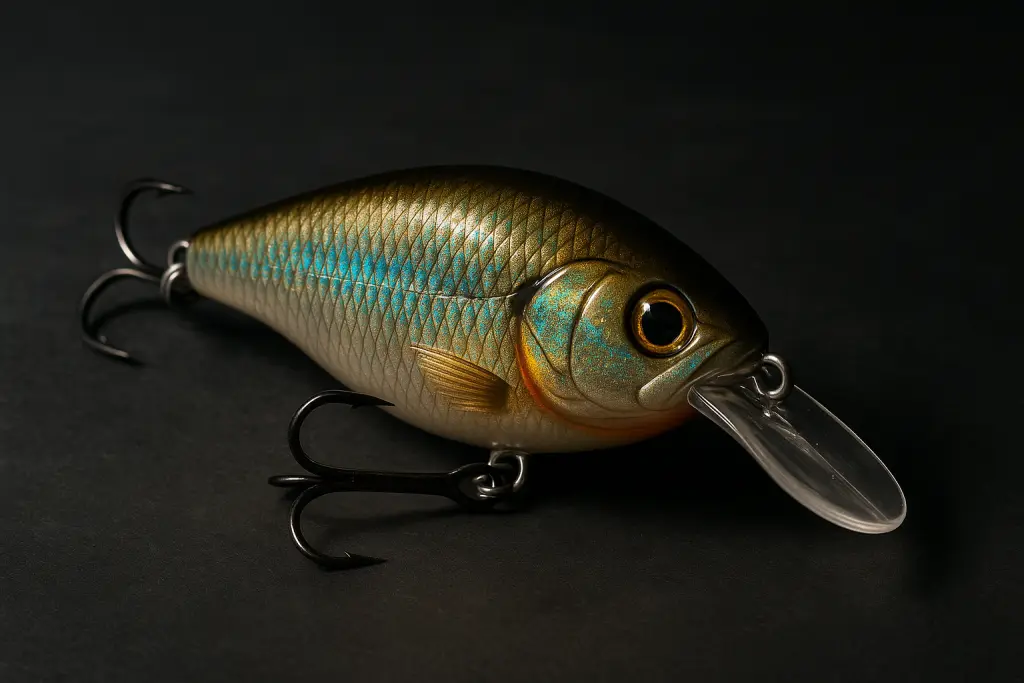
Wake bait
Ideal for bass and pike, this wake bait attracts on the surface with its vibrations.
★★★
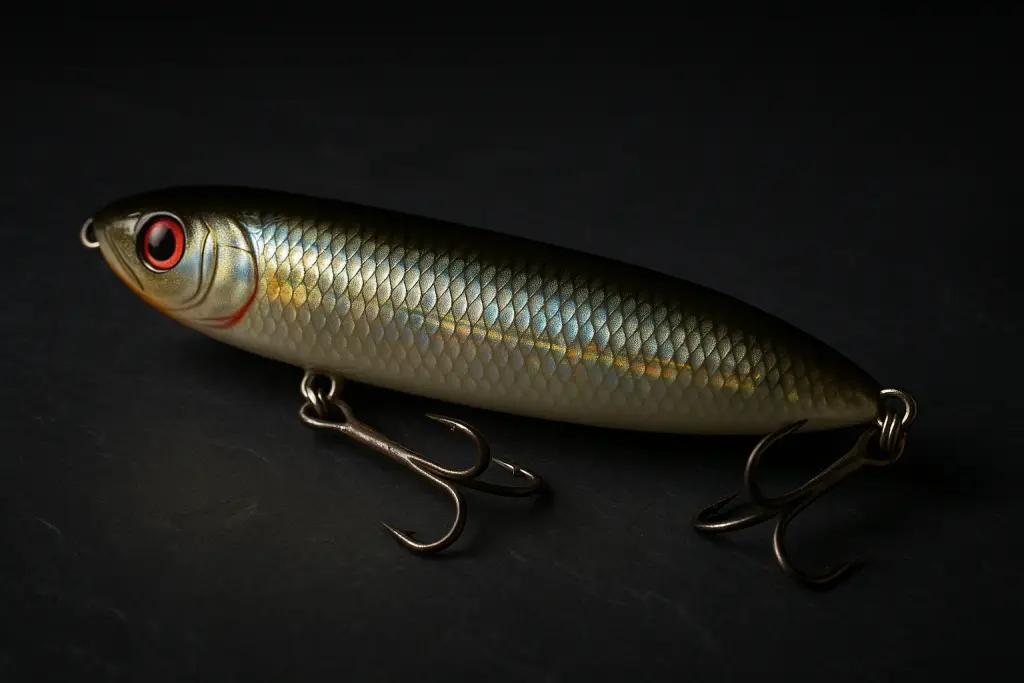
Walking bait
Ideal for bass and pike, retrieve with a zigzag motion for explosive strikes.
★★★★
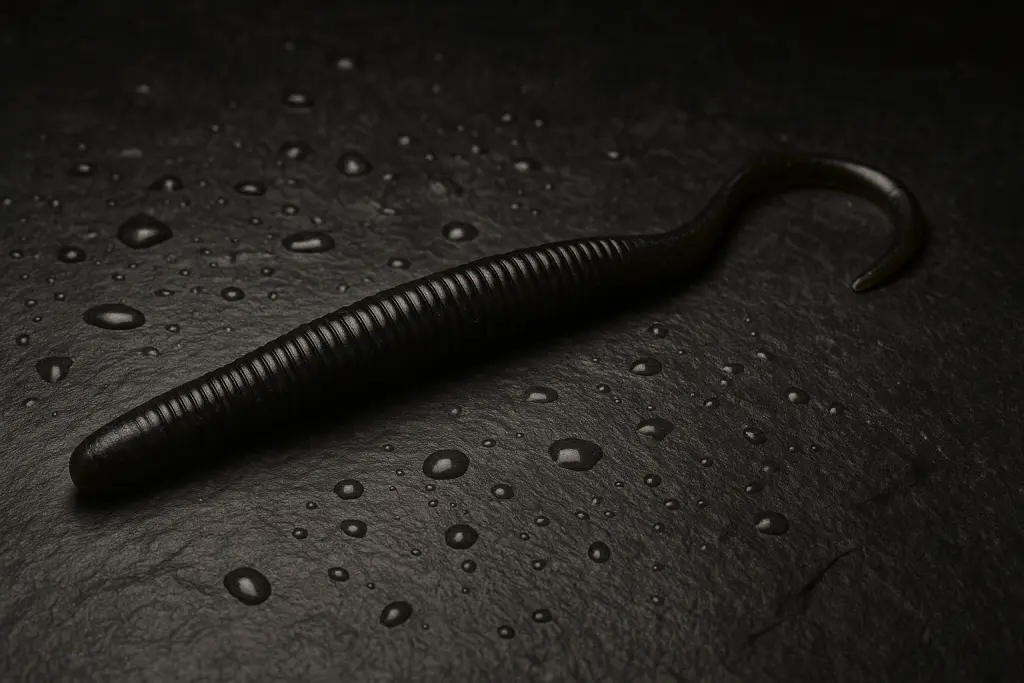
Soft worm
The soft-plastic worm — the cornerstone of bass finesse fishing. Senko, Trick Worm, Ribbon Tail.
★★★★★
Recommended gear
Recommended gear
For largemouth bass, a 6 to 7-foot rod with medium to heavy power and fast action is ideal. A light spinning or baitcasting reel with a 10 to 20 lb line is recommended to handle vigorous fights. Hook sizes 3/0 to 5/0 work well, especially for soft lures. A fluorocarbon leader can be useful to prevent the fish from detecting the line in clear water.
Handling & release
Handling & release
Handle the largemouth bass with care to avoid injuring it. Use a grip on the lower lip to control it without damaging its internal organs. For successful catch and release, ensure the fish is well-oxygenated before releasing it. Avoid keeping it out of the water too long, especially in hot weather. For photos, support the fish under the belly to distribute its weight evenly.
Predators
Predators
The main predators of the largemouth bass in Quebec include the northern pike and the muskellunge. Birds of prey, such as the osprey, can also target young bass. Turtles and some aquatic mammals may also pose a threat to fry and young fish.
Conservation & status
Conservation & status
The largemouth bass is a well-managed species in Quebec, with regulations aimed at maintaining healthy populations. The minimum legal size and possession limits vary by area, so make sure to inform yourself before fishing. Catch and release is encouraged for large specimens to preserve the genetic quality and diversity of the population.
Surprising facts
Surprising facts
- ›The largemouth bass can survive in low-oxygen waters.
- ›It is capable of jumping out of the water to catch prey.
- ›Males build and guard the nest during spawning.
- ›It can change color to better camouflage in its environment.
- ›Young bass form schools to protect themselves from predators.
- ›The largemouth bass has a very powerful jaw.
- ›It can live up to 16 years in ideal conditions.
- ›This species is highly adaptable and can quickly colonize new habitats.
- ›It is also known as black bass in North America.
- ›The largest specimens are often caught in deeper waters.
- ›It has excellent vision, even in low-light conditions.
- ›The largemouth bass is a very curious fish, often attracted to new objects in the water.
Frequently asked questions
Frequently asked questions
What is the best time of day to fish for largemouth bass?+
What is the average size of a largemouth bass in Quebec?+
Is it possible to fish for largemouth bass in winter?+
What type of lure is most effective for largemouth bass?+
How to differentiate a largemouth bass from a smallmouth bass?+
What is the best technique for fishing largemouth bass in murky waters?+
What is the lifespan of the largemouth bass?+
Is the largemouth bass sensitive to changes in atmospheric pressure?+
Is the largemouth bass an invasive species in Quebec?+
Can largemouth bass be consumed?+
What are the natural predators of the largemouth bass?+
What is the best time of year to fish for largemouth bass?+
Does the largemouth bass prefer calm or rough waters?+
What is the ideal depth for fishing largemouth bass?+
What type of fishing rod is recommended for largemouth bass?+
Member catches
No catches yet for this species. Be the first!
Have you caught largemouth bass?
Share your photo with fellow anglers — show off your catch!
Be the first to share your catch of this species.
Our picks
Gear for Largemouth Bass

50Pcs Premium Fishing Hooks
Discover a fishing hook set that combines quality and performance for all fishing enthusiasts. This kit includes:
10.98 $

TRUSCEND
Fishing Lures and Gear Kit
Discover our exceptional fishing lures set, which includes colorful lures, sharp hooks, and various fishing gear, mak…
29.99 $

Awgsee
Lunettes de soleil de sport polarisées pour homme
👓 TAC Polarized Lenses ➤➤➤ These AWGSEE sunglasses provide complete UV protection, reduce glare, and eliminate annoy…
29.95 $