Chargement...
Complete guide
Northern Pike
Overview
The northern pike is one of the most sought-after fish by sport anglers in Quebec, due to its aggressive nature and fighting spirit during capture. This formidable predator is known for its lightning-fast strikes and ability to provide a memorable fight, challenging even experienced anglers. Distributed across many freshwater bodies throughout the province, the northern pike can be found in both lakes and rivers, making it an accessible target for a wide variety of anglers. Its popularity is also due to its impressive size, with specimens frequently exceeding 10 kg, representing a true challenge for those who enjoy sport fishing.
Angler indices
Identification
Identification
The northern pike has an elongated, streamlined body, ideal for its rapid strikes. Its color generally varies from olive green to brown, with sides marbled with yellow or white spots that allow it to blend into aquatic vegetation. Its head is long and flat, with a wide mouth filled with sharp teeth designed to grasp and hold its prey. Its dorsal and anal fins are located towards the back of its body, providing quick and efficient propulsion. Its tail is forked, adding to its speed in swimming. Young pikes often display more pronounced and contrasting patterns than adults. During spawning, females are generally larger and rounder, while males may develop tubercles on their pectoral fins.
How to tell it apart
Here’s how to distinguish the northern pike from another species often confused with it, the muskellunge.
| Criterion | Northern pike | Muskellunge |
|---|---|---|
| Size | ≈ 50 to 100 cm | ≈ 70 to 150 cm |
| Patterns | White/yellow spots | Dark vertical bars |
| Head shape | More elongated | More massive |
| Number of submandibular pores | 5 to 6 on each side | 6 to 9 on each side |
Distribution in Quebec
Distribution in Quebec
In Quebec, the northern pike is widely distributed, present in most regions, particularly in the watersheds of the Saint Lawrence, Outaouais, and James Bay. It is particularly abundant in the lakes and rivers of the northern province, where conditions are ideal for its growth and reproduction. Although less common in the more acidic waters of the North Shore, it is still capable of adapting to a variety of environmental conditions. Its absence is notable in very fast waters or in areas with sparse aquatic vegetation, where its hunting techniques are less effective.
Habitat
Habitat
The northern pike prefers calm, shallow waters rich in aquatic vegetation. Lakes with extensive weed beds, shallow bays, and calm sections of rivers are its preferred habitats. It particularly favors areas where prey is abundant and where it can camouflage itself to surprise its victims. Northern pikes are often found at depths of 1 to 3 meters but can dive deeper in summer to find cooler waters. In winter, they move to deeper areas where the temperature is stable.
Life cycle
Life cycle
The northern pike spawns in spring, just after the ice melts, when the water temperature reaches about 10 °C. Females lay their eggs in shallow, vegetation-rich waters that provide protection for the fry. The eggs hatch within a few weeks, releasing fry that grow quickly. From a young age, they feed on zooplankton, then transition to small fish and invertebrates as they grow. Young pikes reach sexual maturity between 2 and 4 years. With a lifespan of up to 15 years, the northern pike follows a marked seasonal cycle: Spring (spawning) → Summer (growth) → Fall (preparation for winter) → Winter (activity slowdown).
Behaviour
Behaviour
The northern pike is a solitary and territorial predator, often found alone in its hunting territory. It is opportunistic, ready to attack anything that comes within reach. Sensitive to changes in light, it prefers low-light conditions for hunting, such as at dawn or dusk. Weather changes, such as winds and atmospheric pressure, influence its activity, making it sometimes more or less active. Although generally silent, it may react to excessive noise, which can make it wary and difficult to catch.
Diet
Diet
The diet of the northern pike varies depending on its age and the season. Fry start by feeding on zooplankton, then quickly move on to larger prey such as small fish and aquatic invertebrates. Adults have a primarily piscivorous diet, but they also do not shy away from amphibians, aquatic birds, and even small mammals that venture too close to the water. In summer, their feeding activity peaks, while in winter, their metabolism slows down, and they feed less frequently.
Seasons & best times
Seasons & best times
In spring, the northern pike is active just after spawning, taking advantage of the warmer waters to hunt. The best times to fish for it are early in the morning or late in the afternoon when light is low. In summer, its presence is marked in deeper, cooler waters, but it remains active at the same times. Fall is a favorable season for its capture as it builds up reserves for winter. Cloudy and windy days can be particularly productive. In winter, although its activity decreases, it can still be fished through the ice, especially during thaw periods.
Fishing techniques
Fishing techniques
Casting
Ideal in summer and early fall, this technique uses hard lures or spoons. The retrieve should be lively to mimic a fleeing fish. Avoid overly fast retrieves in cold weather.
Trolling
Effective in large lakes, especially in fall. Uses crankbaits or metal lures. Adjust the speed according to water temperature, slower in cold water.
Live bait fishing
Effective year-round, especially in winter. Uses a live baitfish on a floating or bottom rig. Preferably near structures like weed beds or rocks.
Fly fishing
For thrill-seekers, with streamers imitating fish or frogs. Requires a stealthy and precise approach, especially in clear waters.
Ice fishing
In winter, with dead fish or bright lures. Focus on deep areas or sheltered bays. Prepare holes at different depths.
Lures & colours
Recommended lures & flies
In clear water and sunny weather, prioritize natural colors like green or brown to mimic local prey. In murky water or overcast conditions, opt for bright colors like orange or chartreuse that attract attention. Bright metal lures, like silver or gold, are effective for reflecting light and attracting pike, especially in deeper waters.
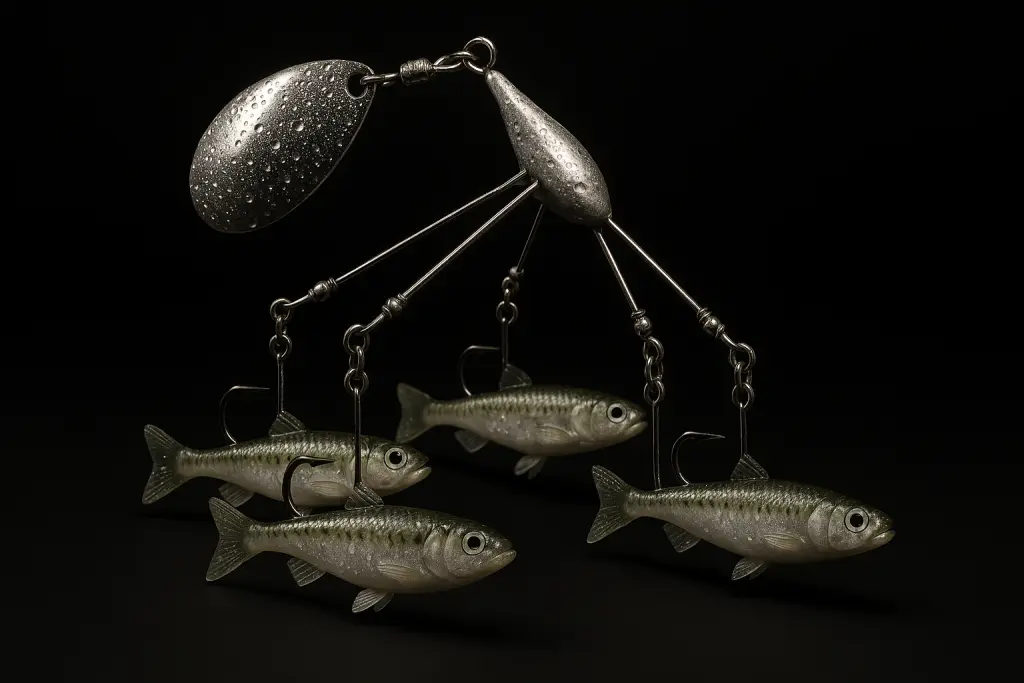
Alabama rig
5-arm system imitating a baitfish school — big predator.
★★★★
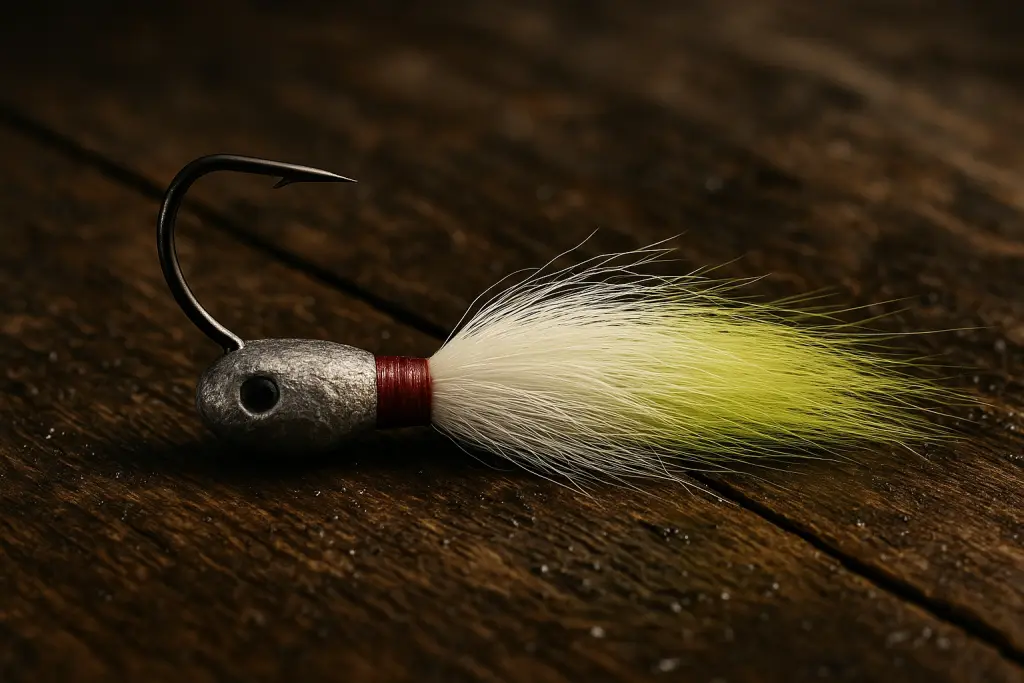
Bucktail jig
The bucktail jig attracts pike, yellow perch, and muskie, ideal for shallow waters.
★★★★★
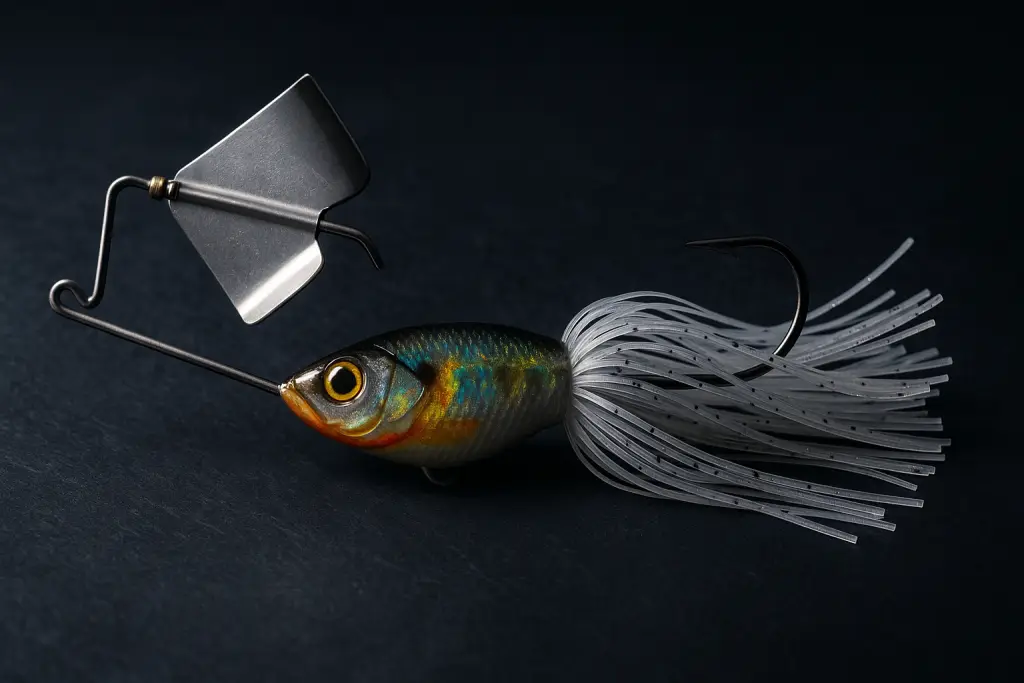
Buzzbait
Attracts bass and pike with its irresistible splashing in shallow waters.
★★★★
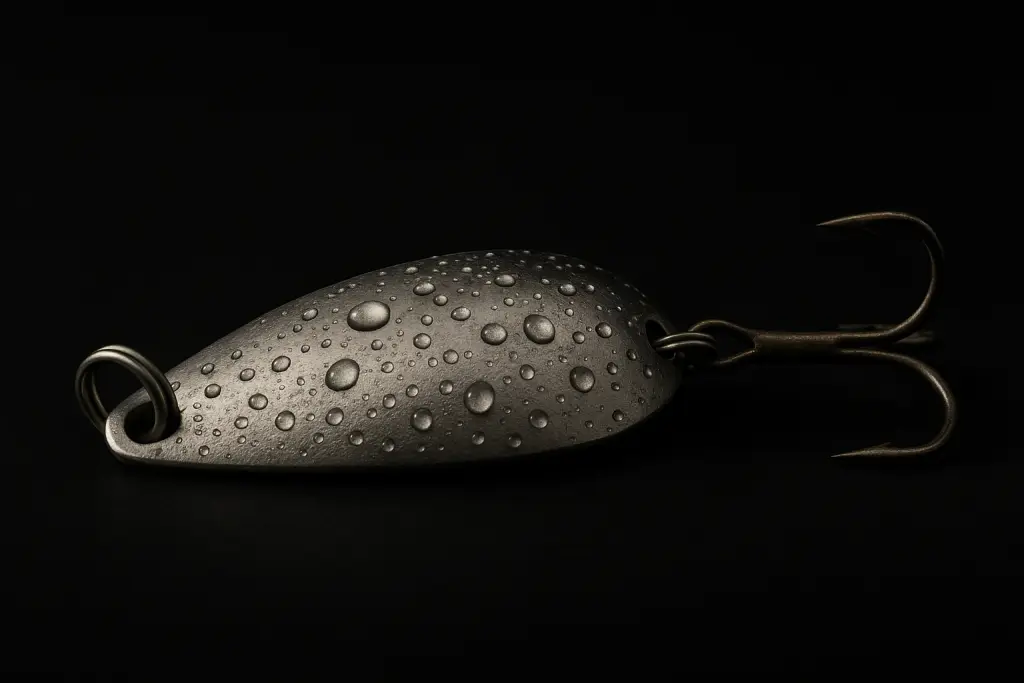
Casting spoon
Ideal for pike and musky, this wobbling spoon attracts in deep waters.
★★★★
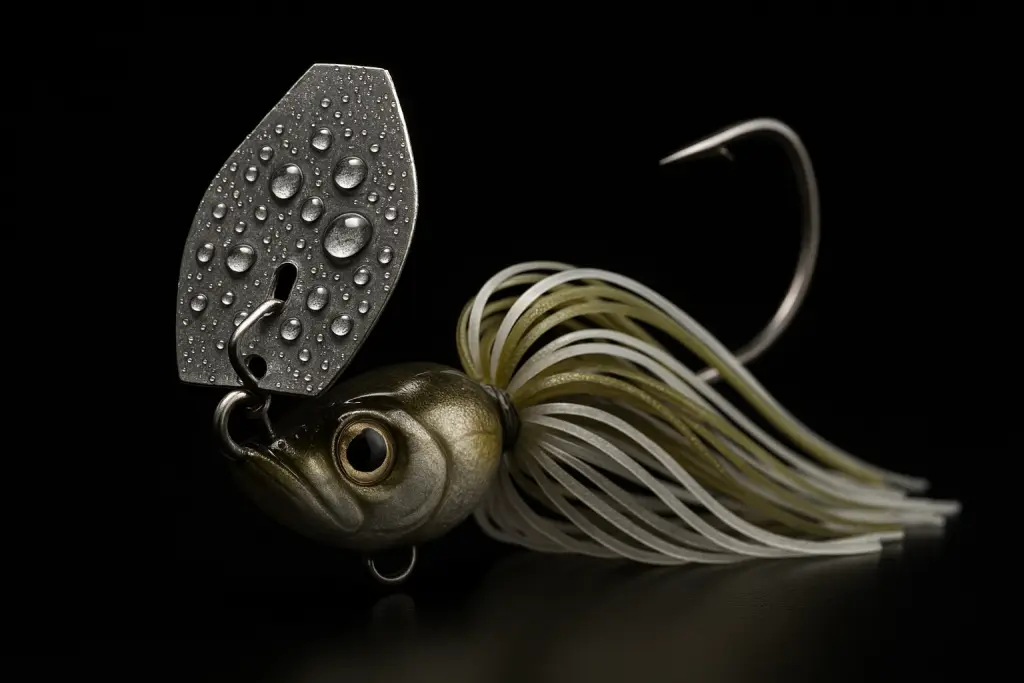
Chatterbait
Ideal for bass and pike, the chatterbait vibrates strongly in murky waters.
★★★★★
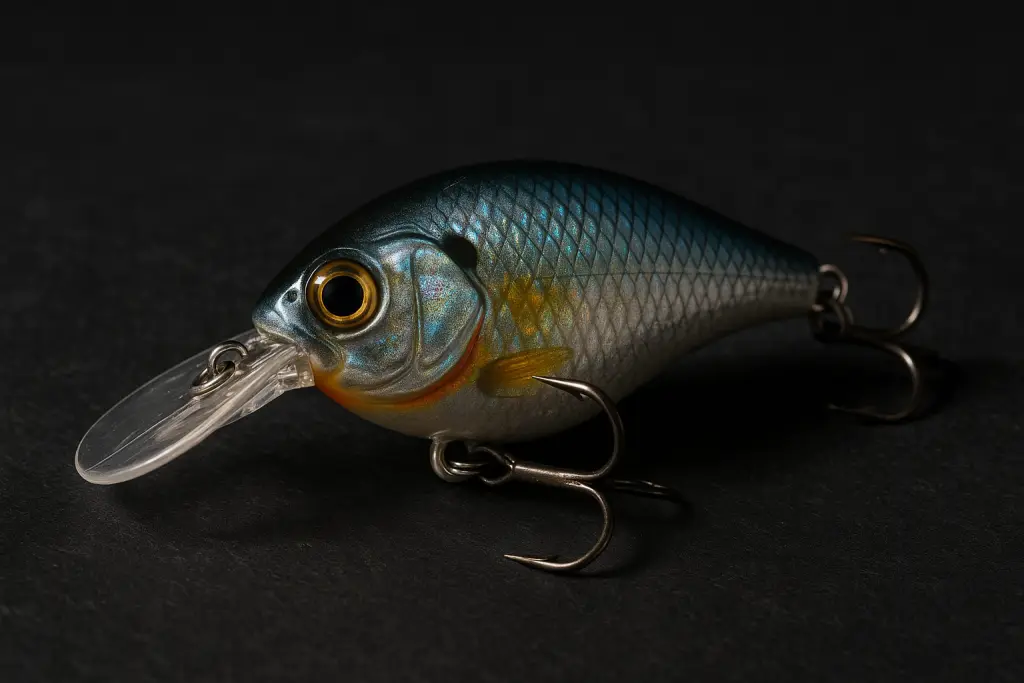
Crankbait
A hard plug shaped like a small fish with a diving lip. Built to cover water and find active fish.
★★★★★
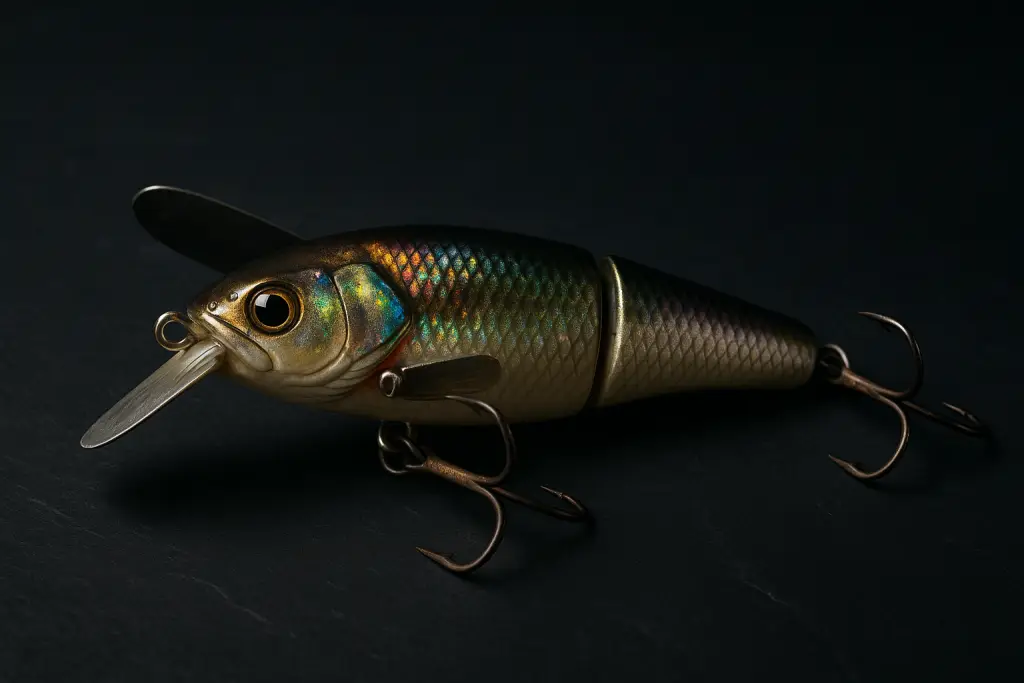
Crawler
Topwater with metal wings that clack.
★★★
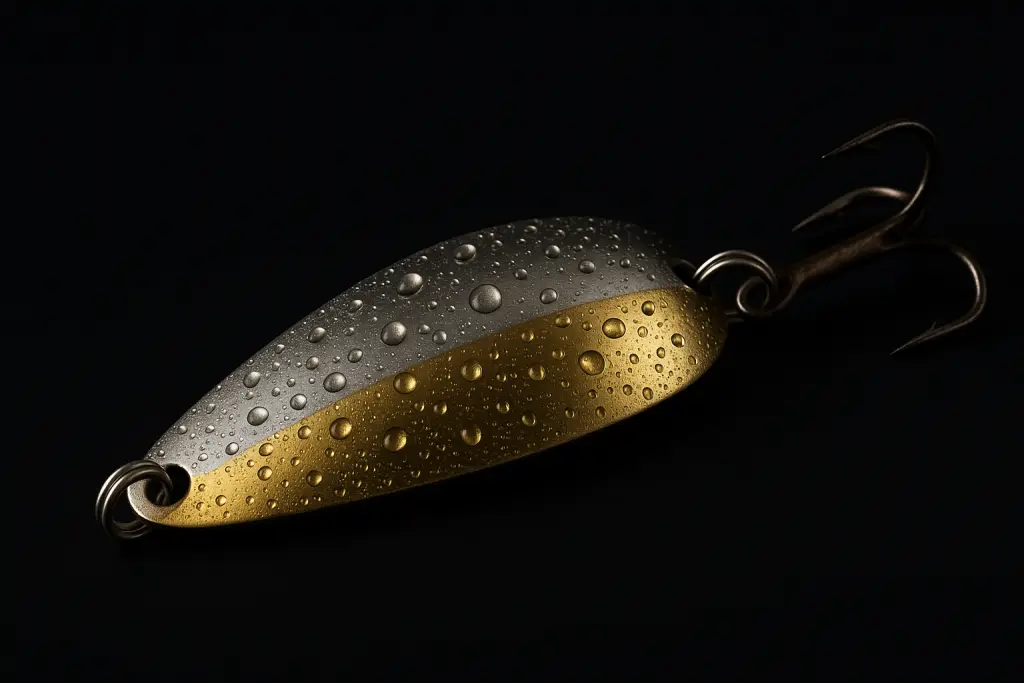
Wobbling spoon
A curved metal blade that flashes and undulates. Timeless classic for trout, char and pike.
★★★★★
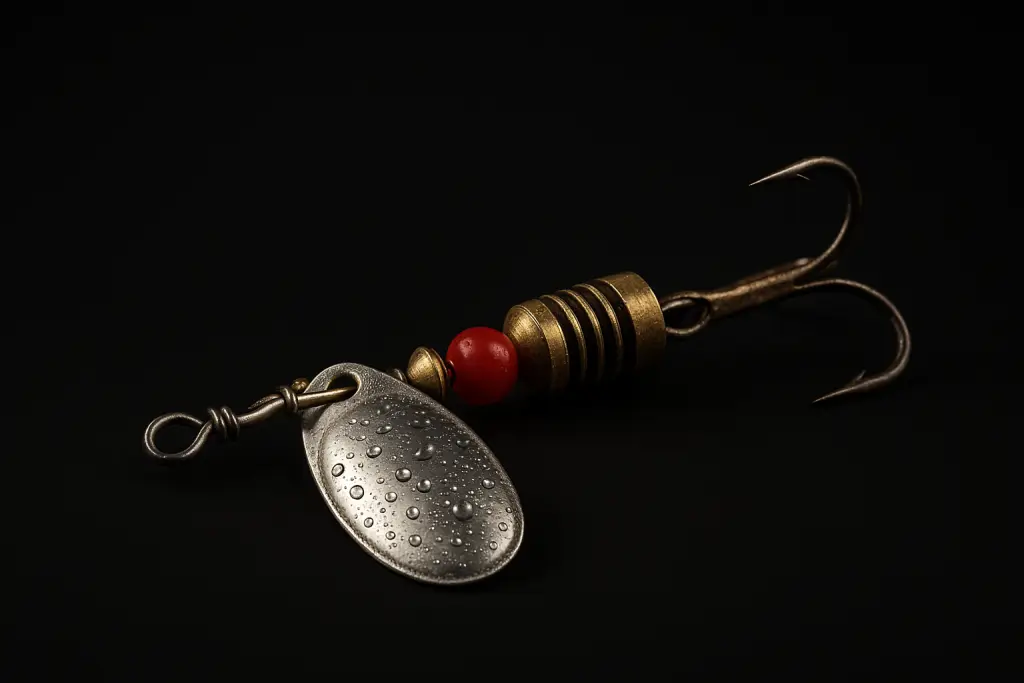
Cuillère tournante
Ideal for attracting trout and bass, this vibrating spoon shines in clear water.
★★★★★
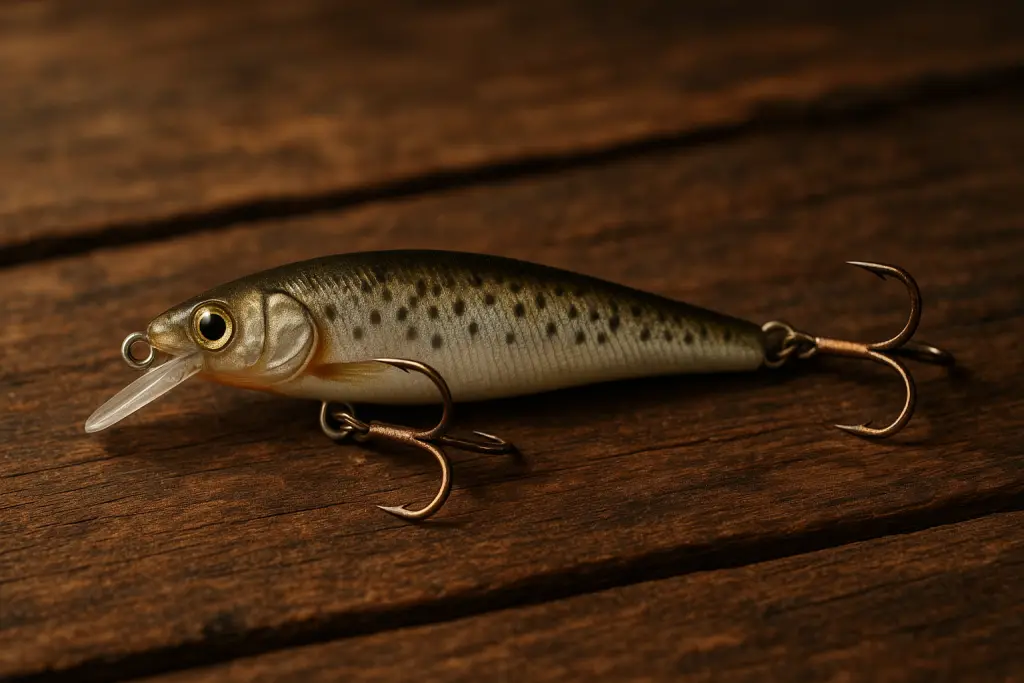
Deadstick minnow
Perfect for icy days, effortlessly attracts walleye, pike, and perch.
★★★★
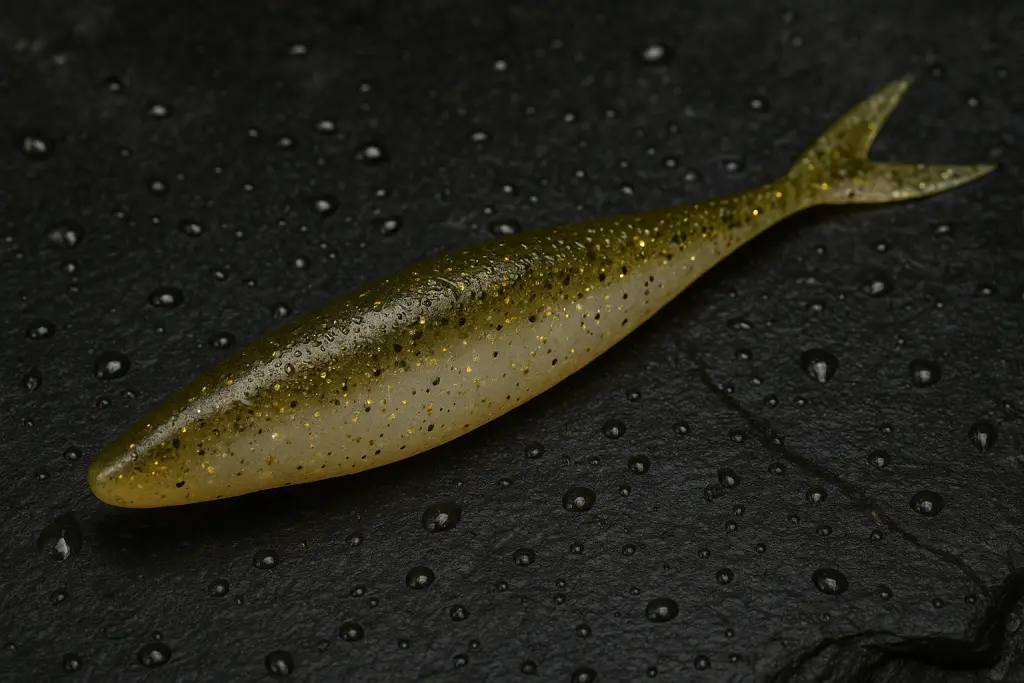
Fluke
Versatile soft lure for bass and pike, ideal in calm and clear water.
★★★★
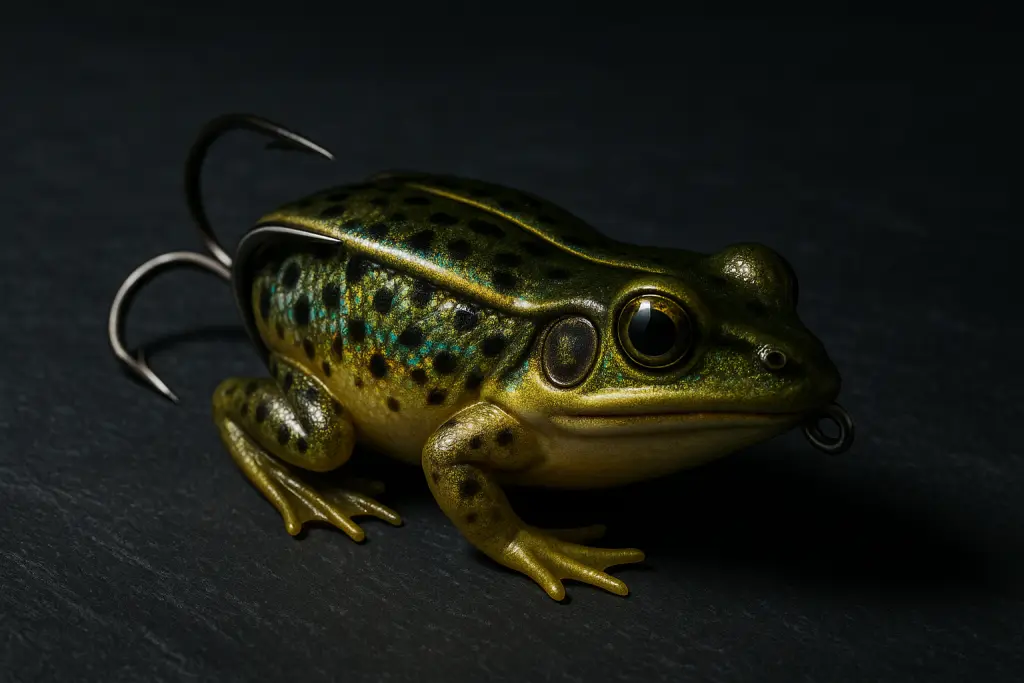
Floating frog
Rigid floating frog for lily-pad fishing.
★★★★
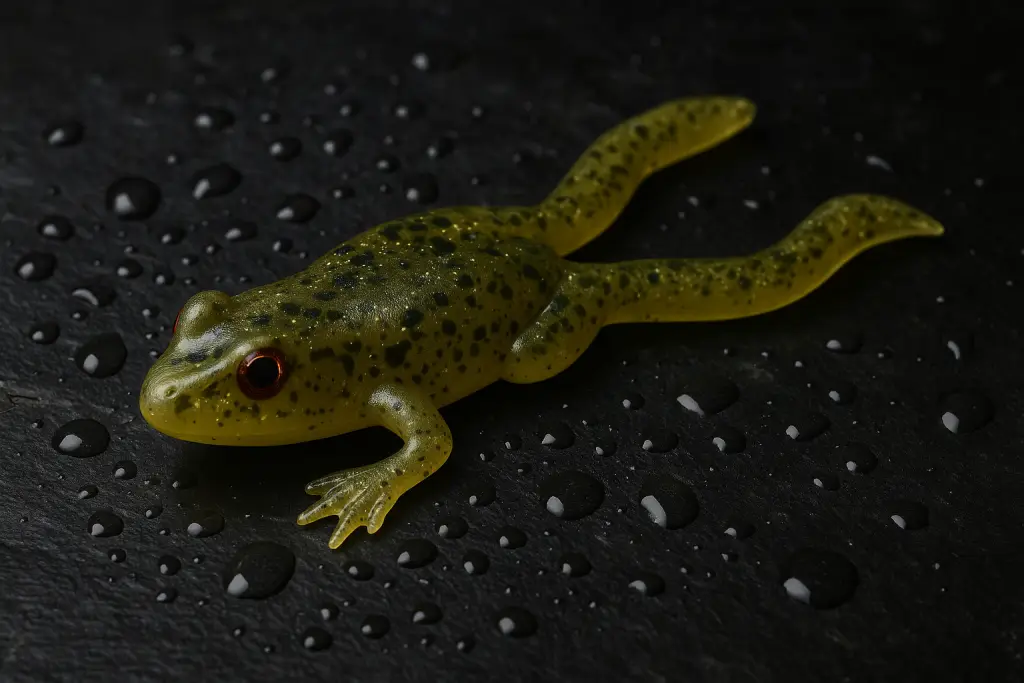
Frog souple
Ideal for bass and pike, this soft frog perfectly imitates a frog on the surface.
★★★★
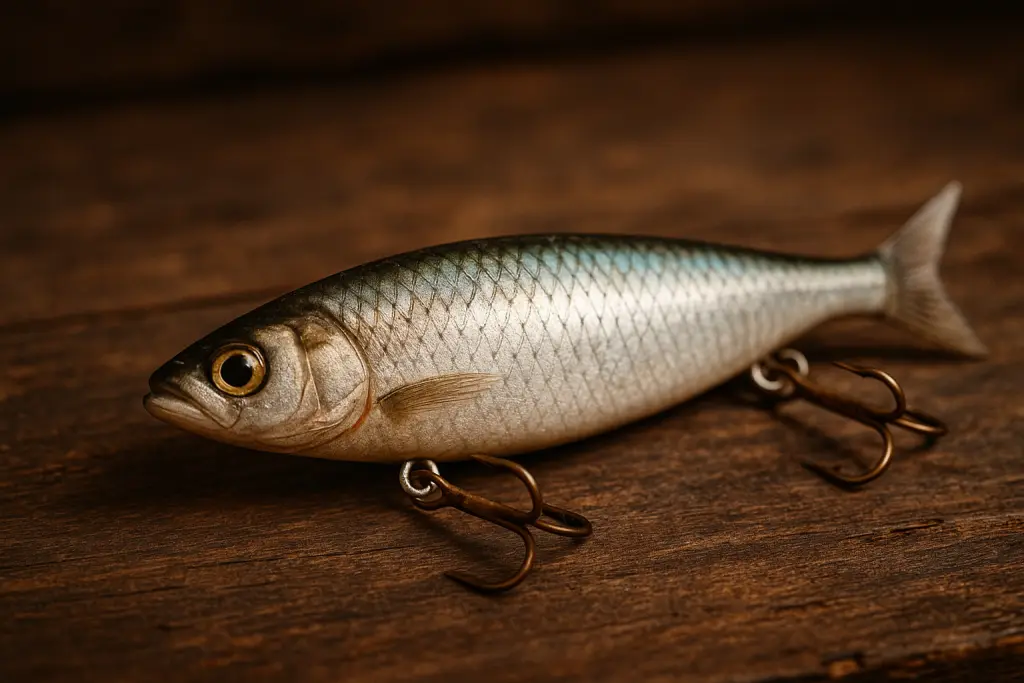
Hareng
Irresistible bait for salmon, walleye, and pike, ideal in freshwater or brackish water.
★★★★
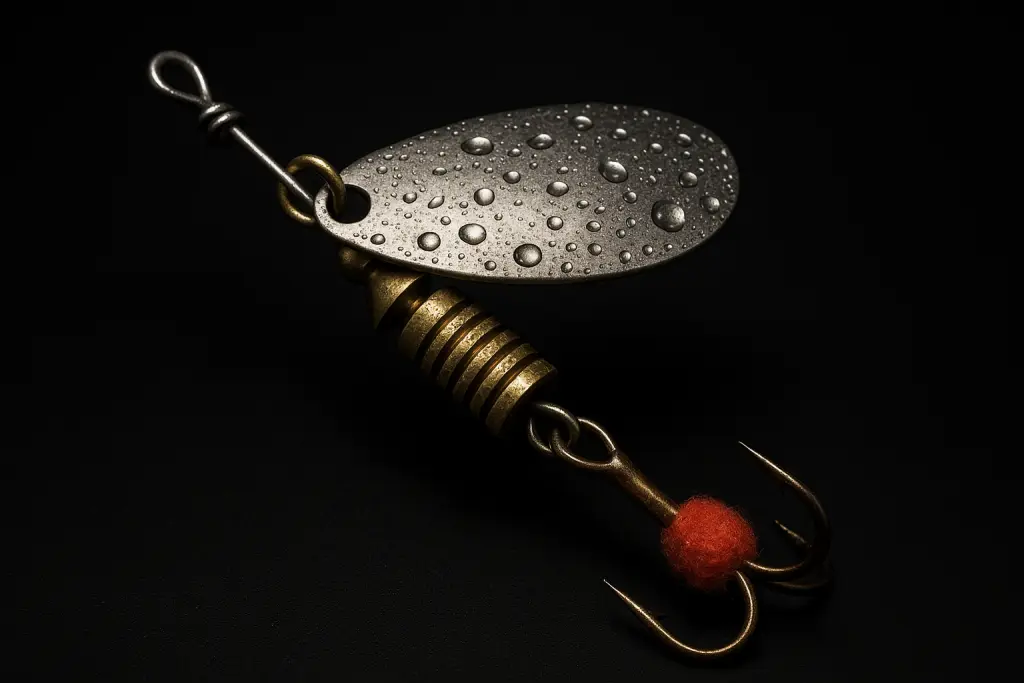
Inline spinner
Metal spinner that attracts trout and bass with its irresistible vibrations in clear waters.
★★★★
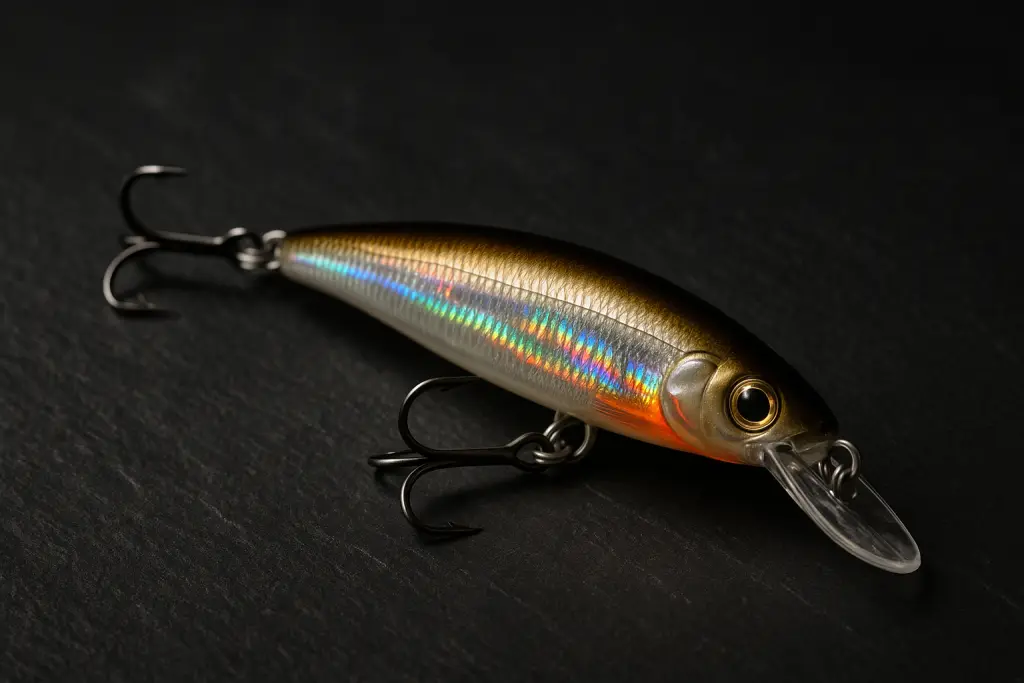
Jerkbait
Ideal for bass, pike, and walleye, this jerkbait excites predators in clear waters.
★★★★★
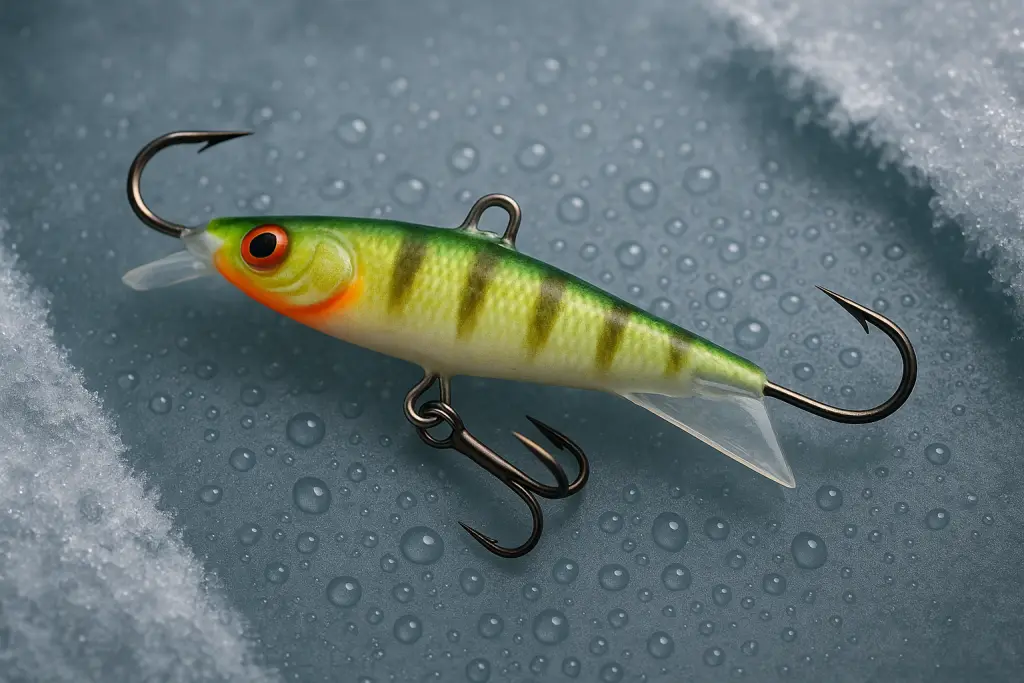
Jigging Rap
The #1 lure for ice-fishing walleye. Horizontal circle motion mimicking a wounded falling baitfish.
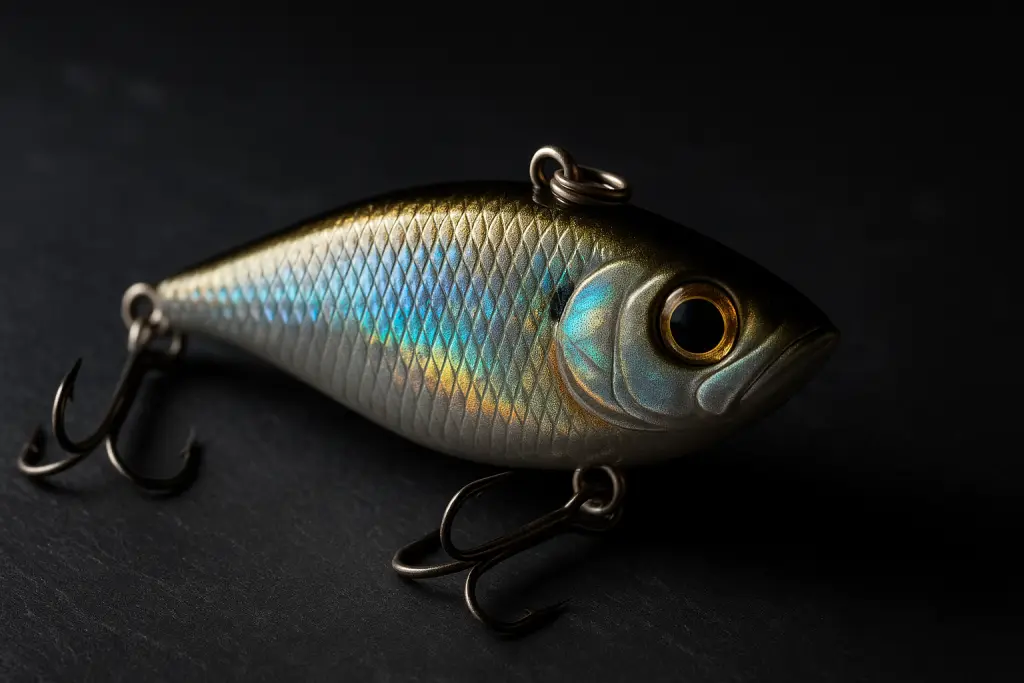
Lipless crankbait
Lipless crankbait that vibrates strongly for bass, pike, and walleye in open waters.
★★★★
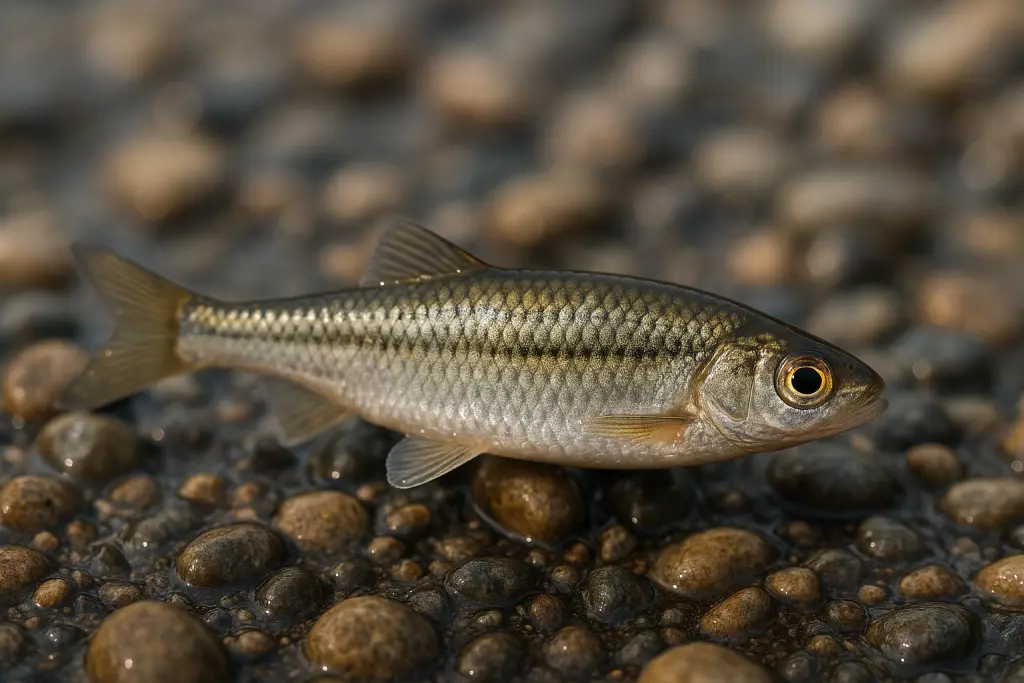
Méné vivant
Ideal for yellow perch and pike, live minnow attracts in still or murky waters.
★★★★★
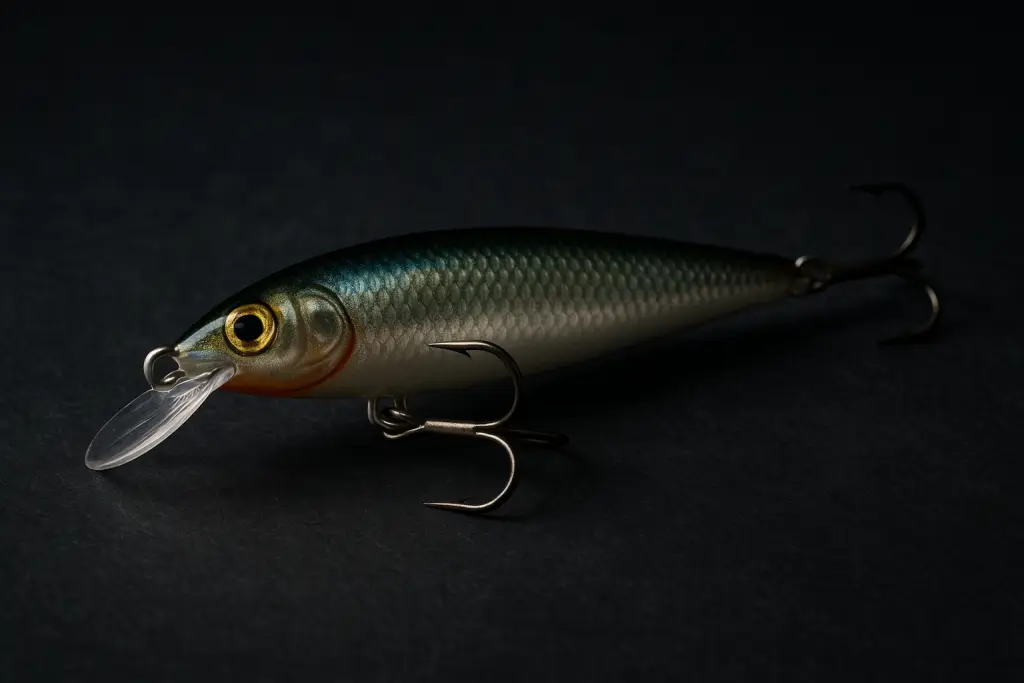
Minnow
The live baitfish that mimics everything predators eat. Essential for walleye, pike and bass.
★★★★
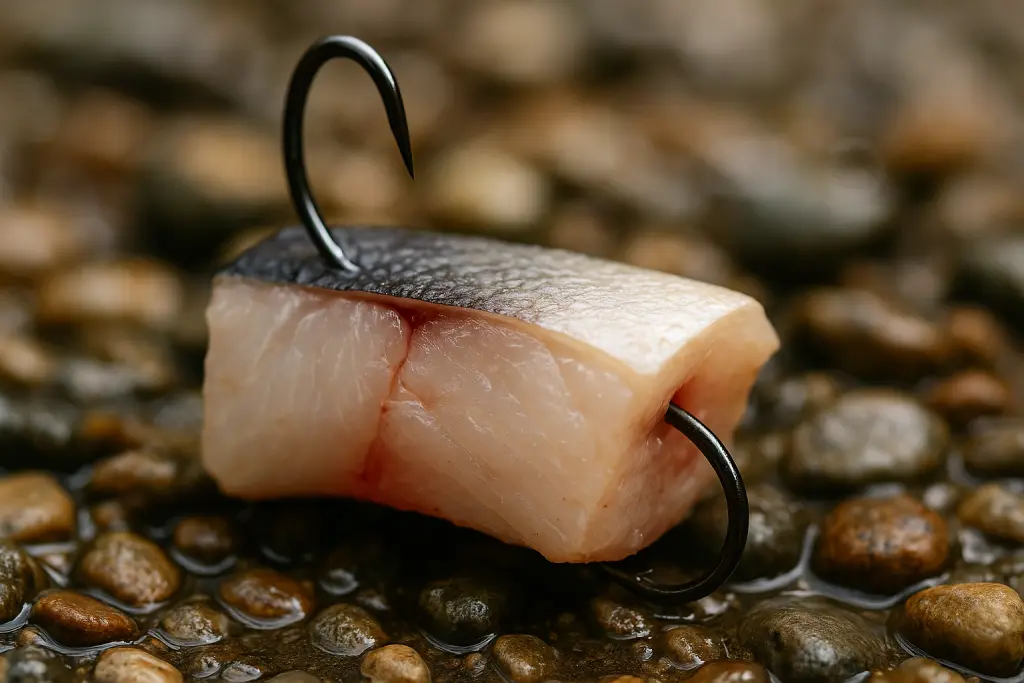
Cut bait
Cut chunk of minnow, herring or mackerel — ideal for catfish.
★★★★
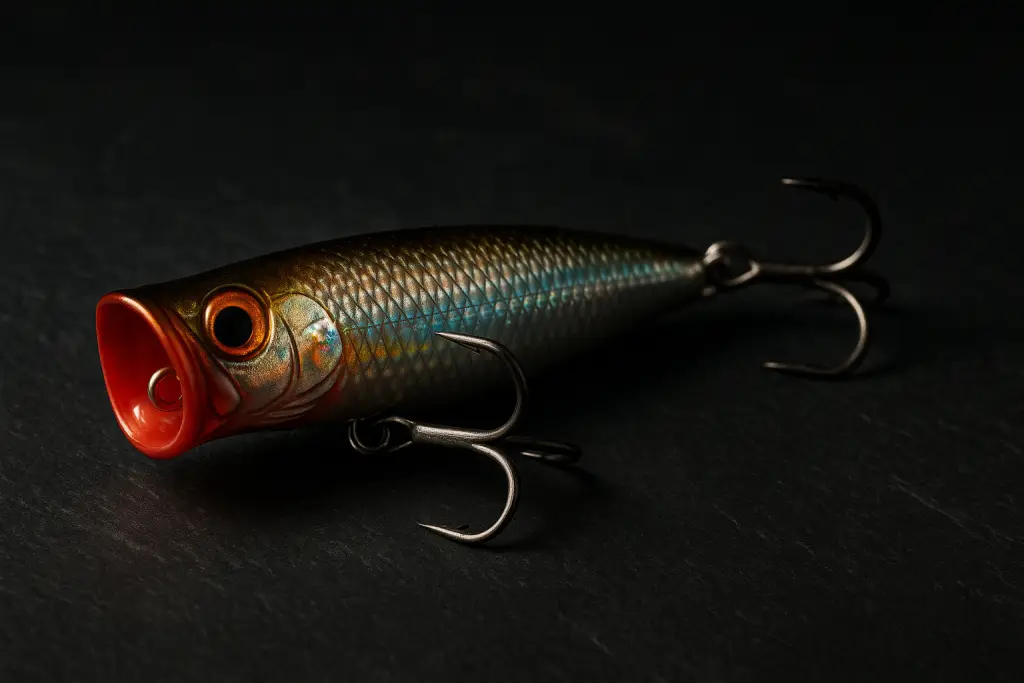
Popper
Ideal for bass and pike, this popper creates irresistible surface splashes.
★★★★
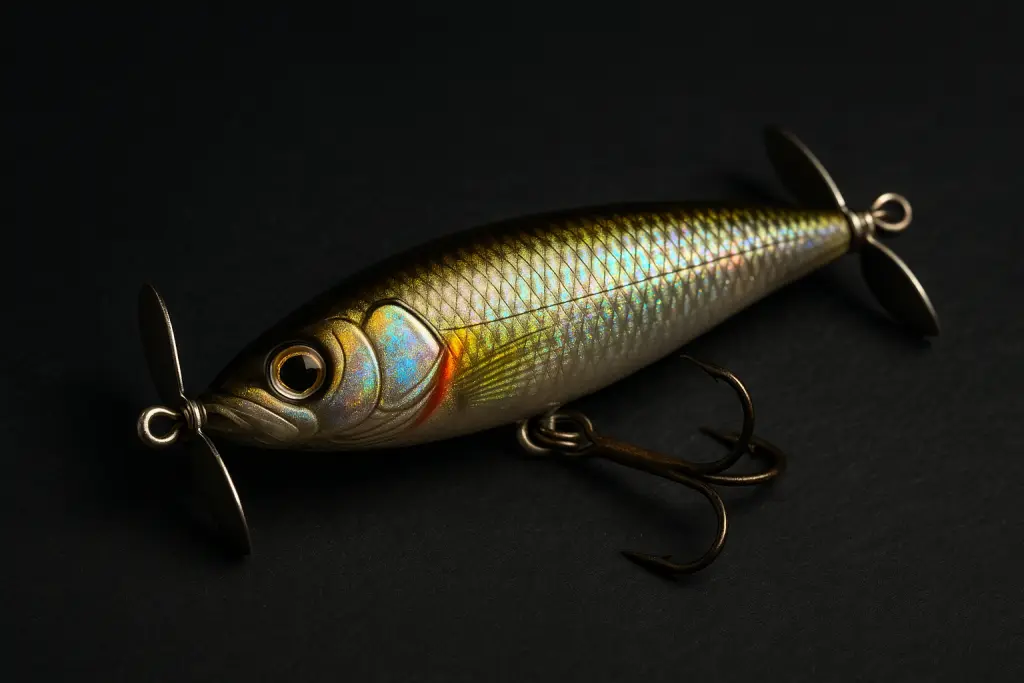
Prop bait
Ideal lure to trigger the aggression of bass and pike in shallow waters.
★★★
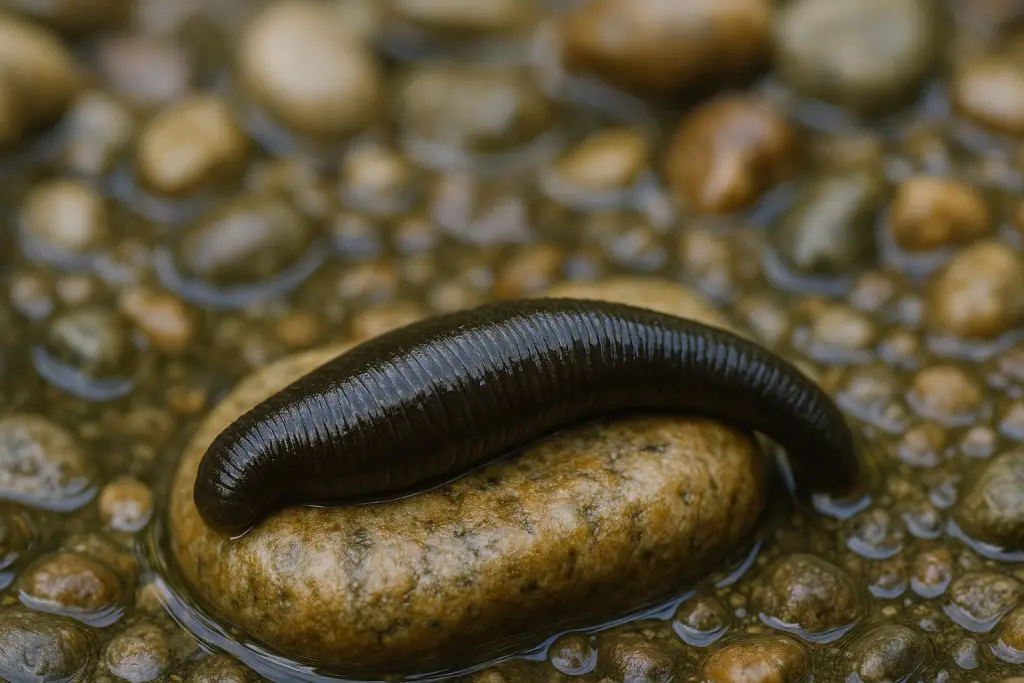
Sangsue
Perfect for yellow perch, bass, and pike, even in murky waters.
★★★★★
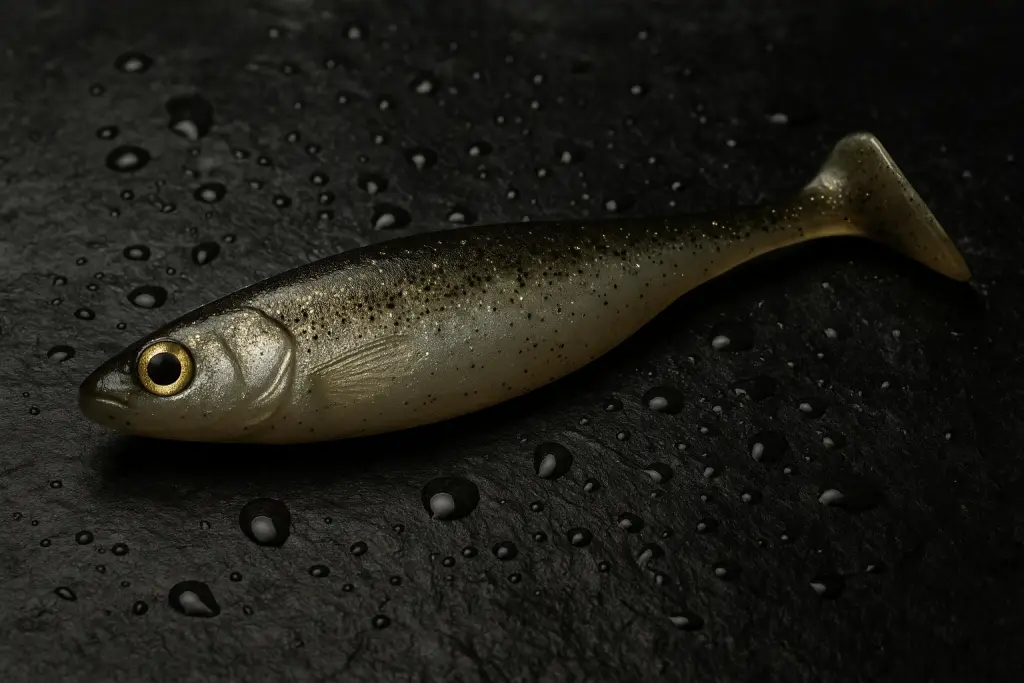
Shad
Soft lure mimicking a baitfish, ideal for walleye, pike, and bass in clear water.
★★★★★
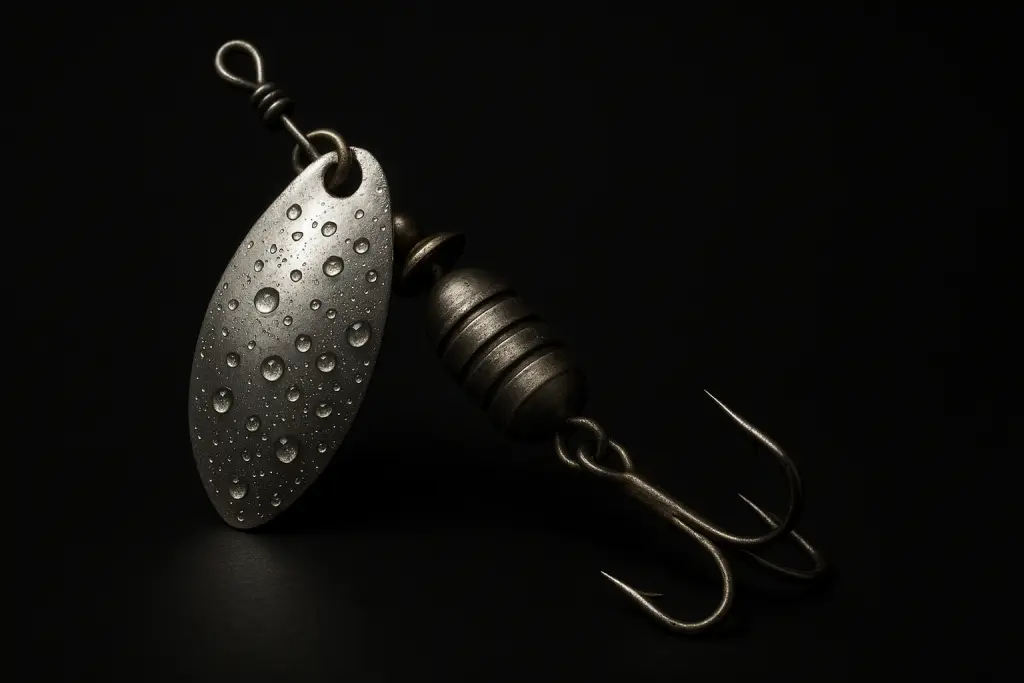
Double spinner
Two blades in tandem for extra vibration.
★★★
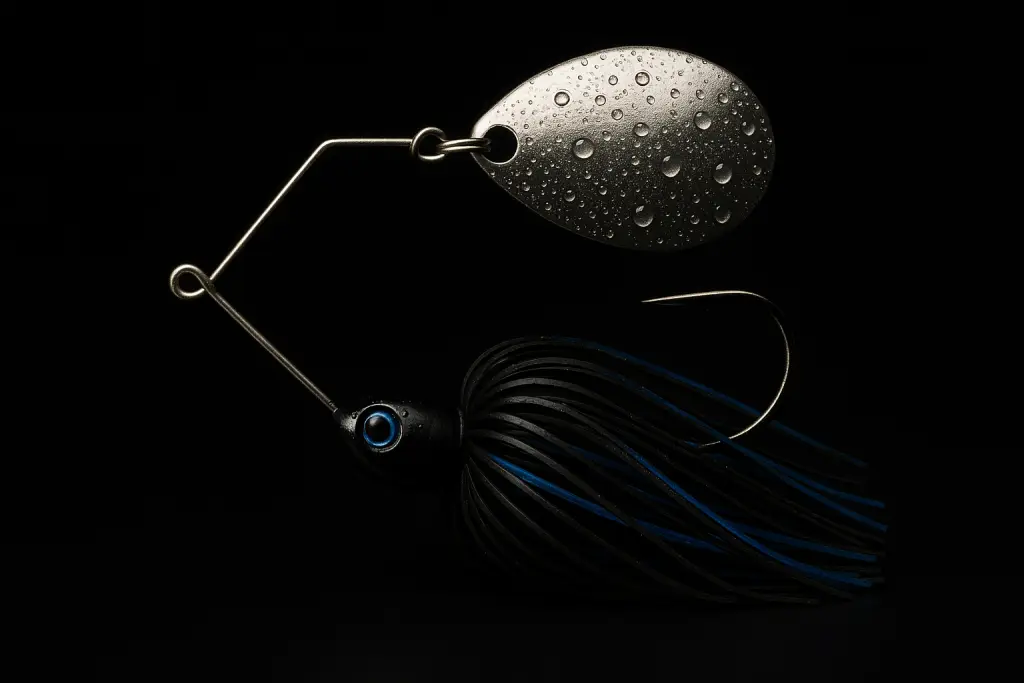
Spinnerbait
The go-to pike weapon. One or two flashing blades + a silicone skirt. A Quebec staple.
★★★★★
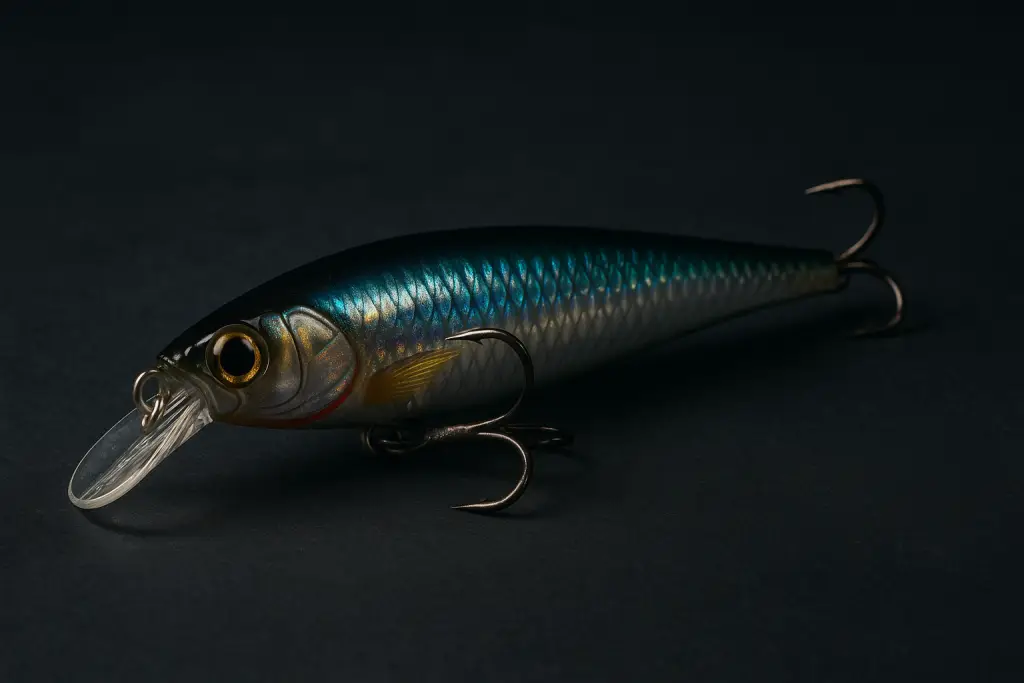
Stickbait
Versatile stickbait ideal for attracting bass and pike in calm waters.
★★★★
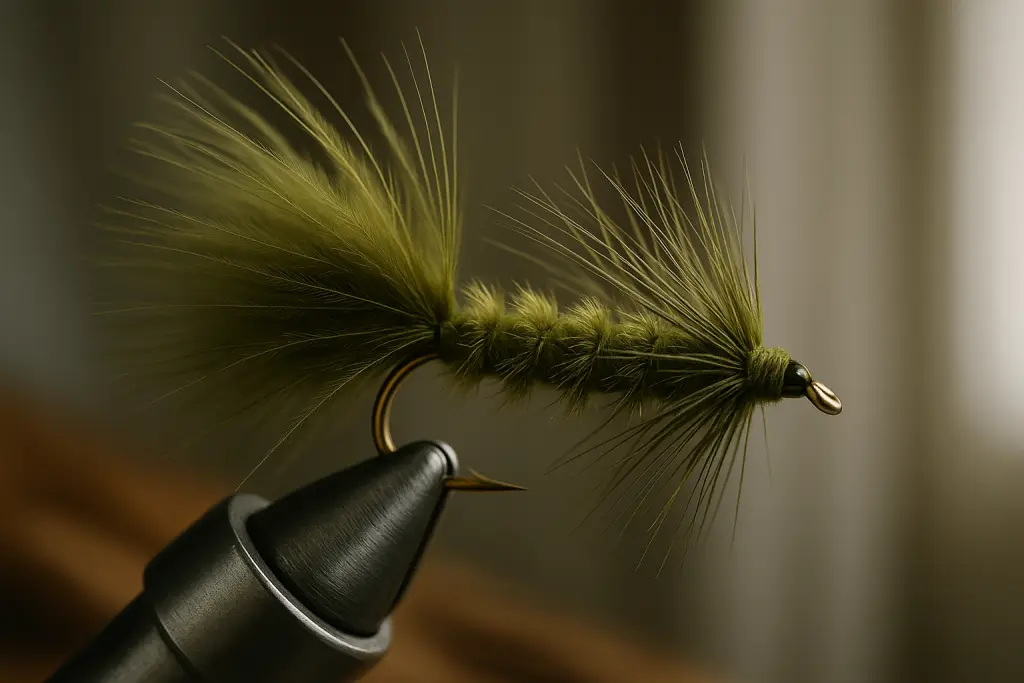
Streamer
The fly that imitates a baitfish. Most effective for big trout and char, in lakes and rivers.
★★★★
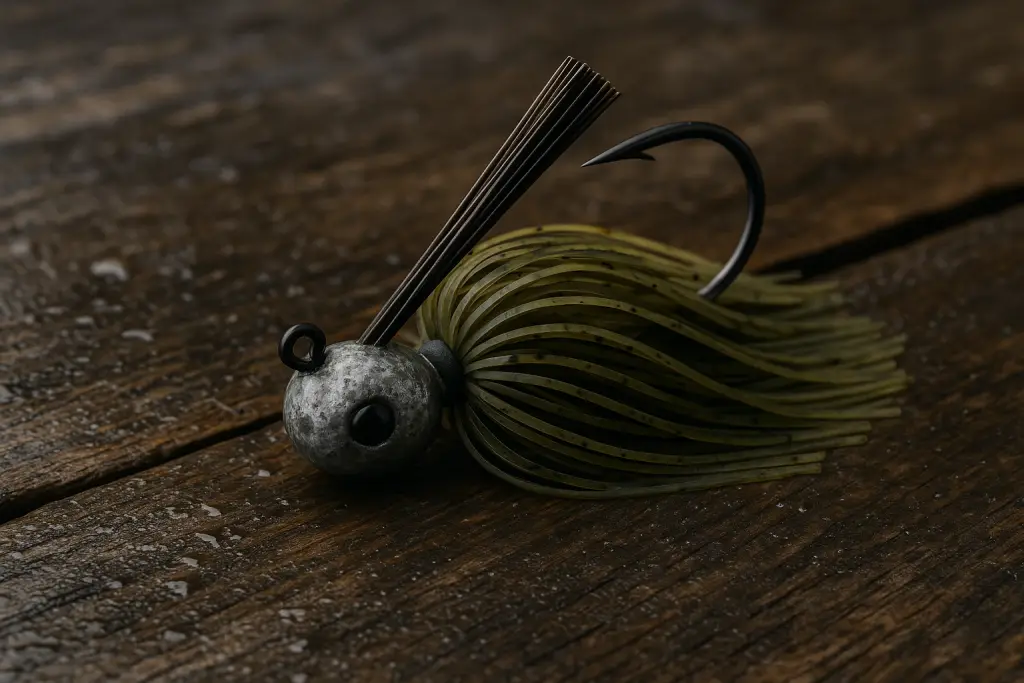
Swim jig
Ideal swim jig for bass and pike in shallow, weedy waters.
★★★★
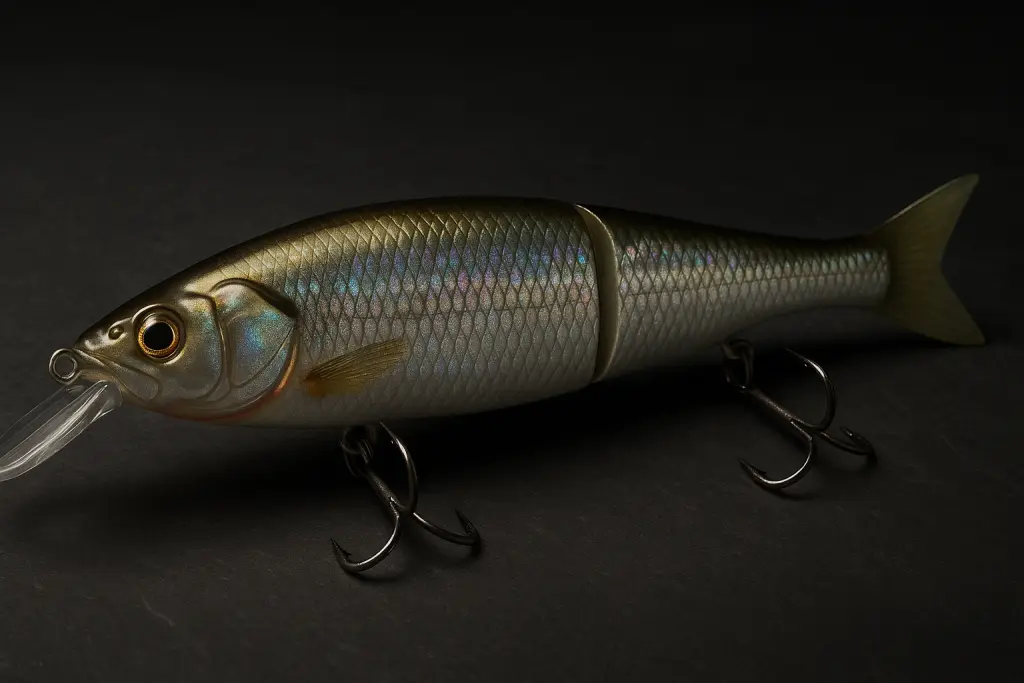
Hard swimbait
Multi-section hard fish imitation — for trophy fish.
★★★★
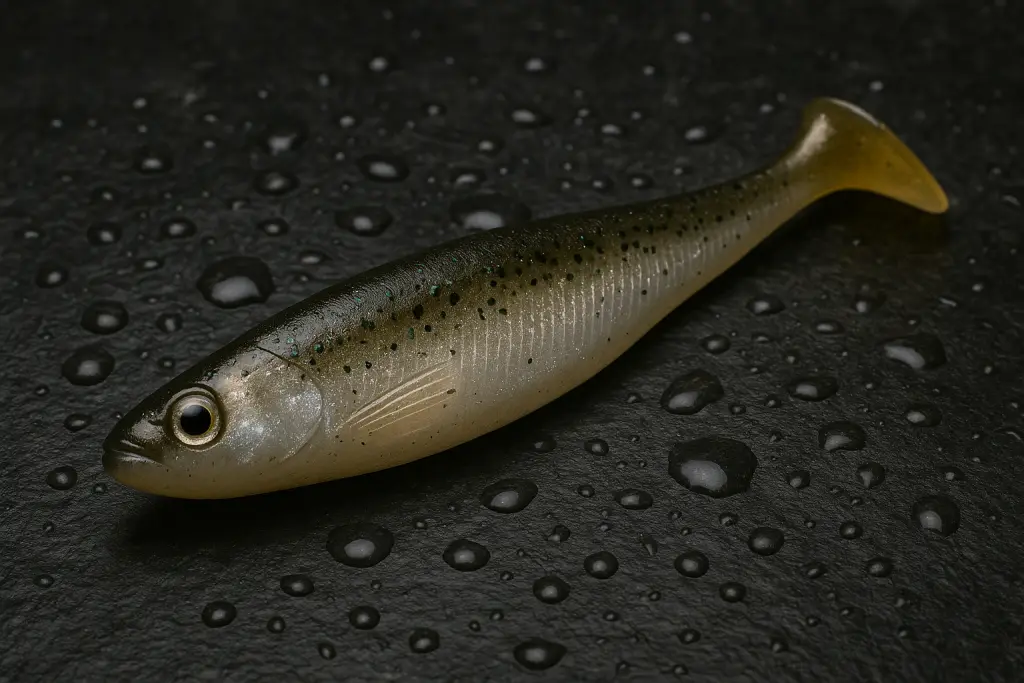
Swimbait souple
Soft swimbait ideal for pike and musky, perfectly mimics an injured fish.
★★★★★
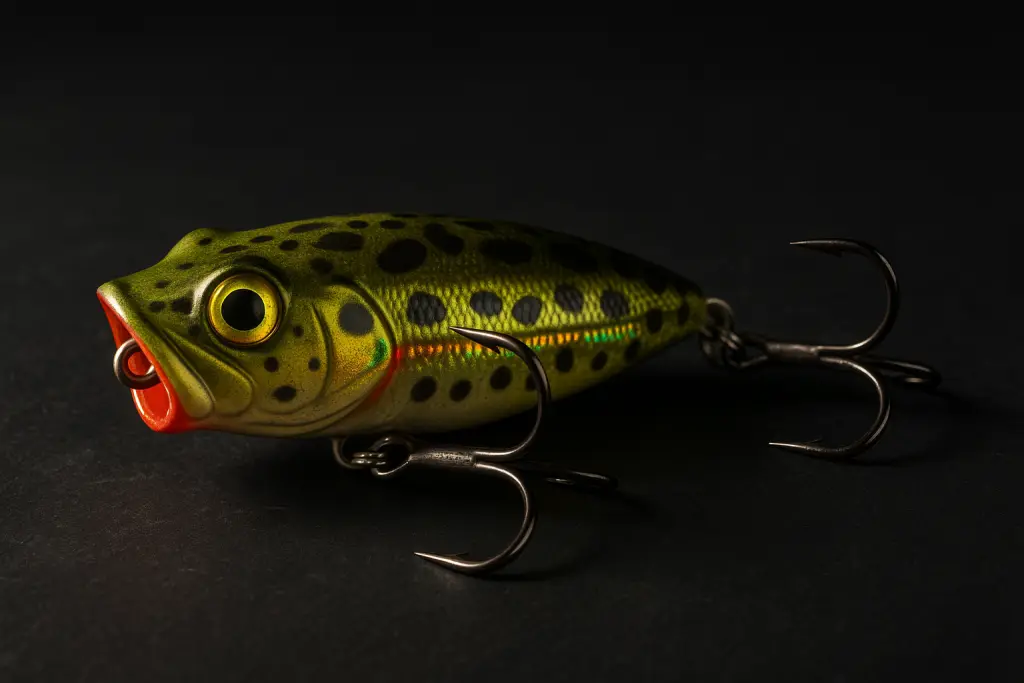
Topwater
The surface lure — the most spectacular strike in fishing. For bass and pike at dawn and dusk.
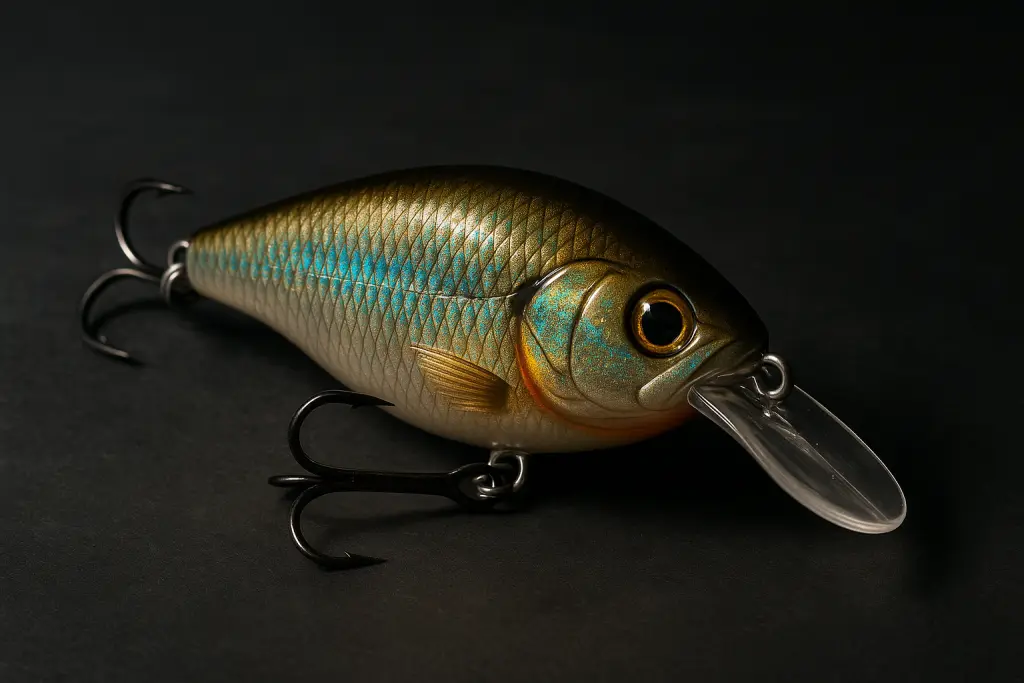
Wake bait
Ideal for bass and pike, this wake bait attracts on the surface with its vibrations.
★★★
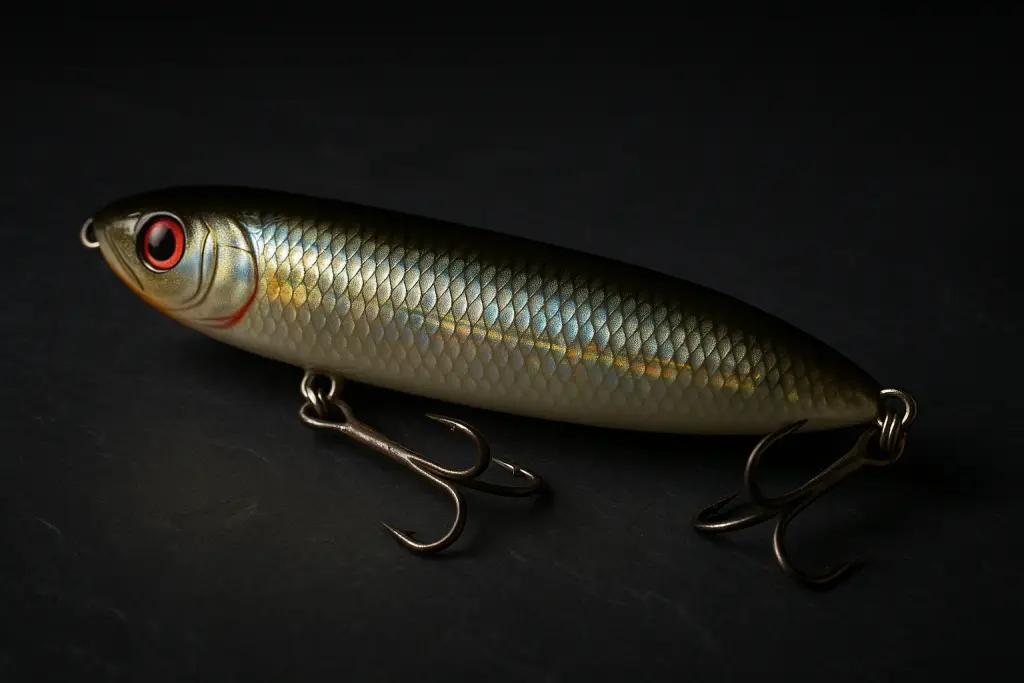
Walking bait
Ideal for bass and pike, retrieve with a zigzag motion for explosive strikes.
★★★★
Recommended gear
Recommended gear
For northern pike, a rod of 6 to 8 feet, medium to heavy power, and fast action is recommended. A heavy spinning reel or a baitcasting reel capable of holding 15 to 30 lb line is ideal. Steel or thick fluorocarbon leaders are essential to withstand the pike's sharp teeth. Use hooks sized 4 to 1/0, depending on the size of the bait or lure.
Handling & release
Handling & release
To handle a northern pike, use a firm grip behind the head to avoid injury, both to yourself and to the fish. For a successful release, support the fish until it regains its strength. A quick photo can be taken, but ensure the fish stays wet and that handling is brief.
Predators
Predators
Natural predators of the northern pike include other large predatory fish, such as muskellunge and catfish. Young pikes can fall prey to large aquatic birds, such as herons or ospreys. Bears and otters may also target pikes when they are near the shores.
Conservation & status
Conservation & status
In Quebec, the northern pike is a stable species, well-managed through catch quotas and legal minimum sizes. Anglers are encouraged to practice catch and release, especially for large specimens, to preserve breeding populations. Regulations may vary by area, so it is important to check local rules before fishing.
Surprising facts
Surprising facts
- ›The northern pike can reach a swimming speed of 10 km/h during an attack.
- ›It has over 700 sharp teeth, arranged in several rows.
- ›The northern pike can live in slightly salty waters, such as estuaries.
- ›It is capable of remaining still for long periods, patiently waiting for its prey.
- ›A large pike can consume prey that represents up to 40% of its own size.
- ›Females are generally larger than males, especially during the breeding season.
- ›The northern pike has a highly developed sense of smell, used to detect its prey.
- ›It is known to cannibalize younger pikes, especially in times of food scarcity.
- ›Pikes can survive in waters with low oxygen levels, allowing them to colonize varied habitats.
- ›Their metabolism slows down significantly in winter, but they remain active under the ice.
- ›Large pikes are sometimes called "freshwater sharks" due to their predatory behavior.
- ›They play an important role in controlling fish populations, preventing overpopulation.
Frequently asked questions
Frequently asked questions
What is the best time to fish for northern pike in Quebec?+
What fishing technique is most effective for northern pike?+
Can you fish for northern pike in winter?+
What is the legal minimum size for catching northern pike?+
Is the northern pike dangerous to humans?+
How can you differentiate a northern pike from a muskellunge?+
What is the average lifespan of a northern pike?+
What type of lure works best in murky water?+
Does the northern pike have natural predators?+
Is it possible to fish for northern pike in salty waters?+
Why is the northern pike called a "freshwater shark"?+
What is the best way to release a northern pike?+
What is the weight record for a northern pike in Quebec?+
What equipment is recommended for fishing for northern pike?+
How does the northern pike adapt to seasonal changes?+
Is the northern pike a threatened species in Quebec?+
Recommended gear
What to use for pike
Our go-to picks, from our ranking of 8 compared products.


Affiliate links: as an Amazon Associate we earn from qualifying purchases, at no extra cost to you. Prices from Amazon, may vary.
Member catches
No catches yet for this species. Be the first!
Have you caught northern pike?
Share your photo with fellow anglers — show off your catch!
Be the first to share your catch of this species.
A photo, your first name and the spot are enough — no account needed.