Chargement...
Complete guide
Largemouth Bass
Overview
The smallmouth bass is one of the most sought-after sport fish in Quebec, appreciated for its vigorous fight and ability to jump out of the water. It is particularly popular in the southern watersheds of Quebec, such as the Richelieu and Saint-François rivers, as well as in several lakes in the Laurentides and Estrie regions. Its reputation as a fighter makes it a prime choice for anglers seeking an exciting experience. The bass offers an interesting challenge as it is not only cunning but also very responsive to well-animated lures. Its distribution is quite wide, but it prefers clear, moderately deep waters where it can blend among rocks and underwater structures.
Angler indices
Identification
Identification
The smallmouth bass has a robust, elongated body, slightly compressed laterally. Its color can vary from olive green to brown, with sides often marked with darker vertical stripes. These stripes are more pronounced in young fish. The smallmouth bass's mouth is relatively small compared to its cousin, the largemouth bass, and it does not extend past the eye. Its dorsal fins are distinct, with the first part being spiny and the second softer. The caudal fin is slightly forked, providing good propulsion. Males and females are difficult to distinguish outside the spawning period, where males become more territorial and develop brighter colors to attract females. The scales are small and rough, offering effective protection against predators and obstacles.
How to tell it apart
The smallmouth bass can be confused with the largemouth bass.
| Criterion | Smallmouth Bass | Largemouth Bass |
|---|---|---|
| Size | On average 8 to 20 inches | On average 12 to 24 inches |
| Jaw | Does not extend past the eye | Extends past the back of the eye |
| Habitat | Clear and rocky waters | Muddier and grassy waters |
Distribution in Quebec
Distribution in Quebec
In Quebec, the smallmouth bass is found mainly in the south, particularly in the Estrie, Montérégie, and Laurentides regions. It is abundant in the Richelieu and Saint-François rivers, as well as in several lakes in these regions. The species prefers clear waters with many rocky structures or gravel beds, where it can hide and hunt its prey. Although mainly found in the south, isolated populations may be present in more northern lakes, but they are less frequent. Its presence is generally limited by water temperature and the availability of suitable habitat.
Habitat
Habitat
The smallmouth bass favors lakes and rivers with clear, well-oxygenated waters. It prefers areas with structures like rocks, submerged logs, and gravel beds, which offer hiding spots and hunting sites. It is often found at depths of 3 to 15 feet, although it may go deeper in summer to find cooler waters. The ideal temperatures for smallmouth bass range from 68 to 81 °F, which explains its preference for the waters of southern Quebec. Look for it near structures during the day, especially when the sun is high and the water warms up.
Life cycle
Life cycle
The spawning period for the smallmouth bass begins in spring when the water temperature reaches about 59 °F. Males build nests in shallow areas with gravel or sand substrates. Once spawning is complete, they aggressively guard the nest to protect the eggs from predators. The eggs hatch in a few days, and the fry stay near the nest under the male's protection for a few weeks. Growth is rapid during the first years, and the young reach sexual maturity around 3 to 4 years. The lifespan of the smallmouth bass is generally 10 to 12 years.
Spring → Spawning and nest guarding by males → Summer → Rapid growth of young → Fall → Preparation for winter, metabolism slows down → Winter → Reduced activity in deeper waters.
Behaviour
Behaviour
The smallmouth bass is a relatively territorial fish, especially during the spawning period. Outside this period, it can be observed alone or in small groups, especially when actively hunting. It is sensitive to changes in light, preferring to hunt at dawn and dusk. Noise and sudden movements can startle it, making it wary. Windy or cloudy days can increase its activity, as it feels less exposed to aerial predators and the reduced light conditions favor it in surprising its prey.
Diet
Diet
The diet of the smallmouth bass varies according to age and season. Fry primarily feed on zooplankton and small aquatic insects. As they grow, their diet becomes more carnivorous, including crayfish, smaller fish like minnows, and various aquatic insects. During summer, they actively hunt baitfish in shallow waters. In winter, their metabolism slows down, and they feed less frequently, preferring easy-to-catch prey.
Seasons & best times
Seasons & best times
In spring, the smallmouth bass is very active after spawning, seeking to replenish its energy reserves. Mornings and evenings are the best times to fish, especially if the weather is mild and stable. In summer, fishing is best early in the morning and late in the evening when temperatures are cooler. Cloudy or windy days are also favorable, as the fish is less wary. In fall, feeding activity increases again, and the bass prepares for winter by feeding intensively. Winter is the most challenging period, as the fish is less active and often found in deeper waters.
Fishing techniques
Fishing techniques
Jigging
Jigging is effective year-round, especially in clear waters with rocky structures. Use a jig with a soft plastic tail, and be sure to vary the speed and intensity of movements to spark the fish's interest. A common mistake is to maintain too fast a pace, while pauses can often trigger an attack.
Drop Shot
This technique is ideal for targeting bass near the bottom, especially in summer when the fish are in deeper waters. Use a floating lure or natural bait to attract the fish. The common mistake is not adjusting the leader length enough according to the depth.
Crankbait
Crankbaits are particularly effective in spring and fall. Choose natural colors for clear waters and animate the lure with pauses to mimic an injured fish. Avoid fishing too fast; smallmouth bass react better to erratic movements.
Spinnerbait
Spinnerbait is perfect for areas with lots of vegetation or structures. It is very visible and produces vibrations that attract the bass. Use it on cloudy or windy days. A common mistake is not varying the depth at which you fish.
Texas Rig
This technique is excellent for cluttered areas where bass hide. Use soft baits and rig your hook to make it weedless. The common mistake is not feeling the subtle bite of the fish, so stay alert to any resistance.
Topwater
Topwater lures are exciting to use, especially early in the morning or late in the evening in summer. They mimic surface prey and can trigger spectacular attacks. Avoid setting the hook too early; wait until the fish has fully taken the lure.
Lures & colours
Recommended lures & flies
The choice of lures and colors depends on water conditions and weather. In clear waters, opt for natural colors like green, brown, and white, which mimic local prey. On sunny days, metallic colors can reflect light and attract fish. If the water is murky, brighter colors like chartreuse or orange may be more visible. In deeper waters, dark colors like dark blue or black are often more effective as they create contrast with the sky.
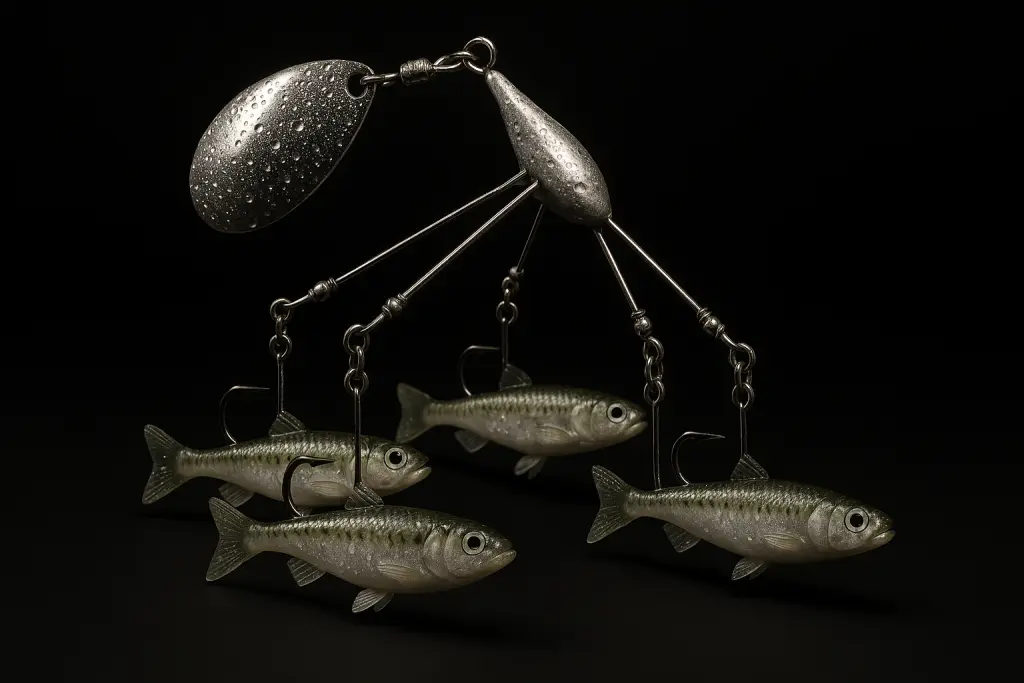
Alabama rig
5-arm system imitating a baitfish school — big predator.
★★★★
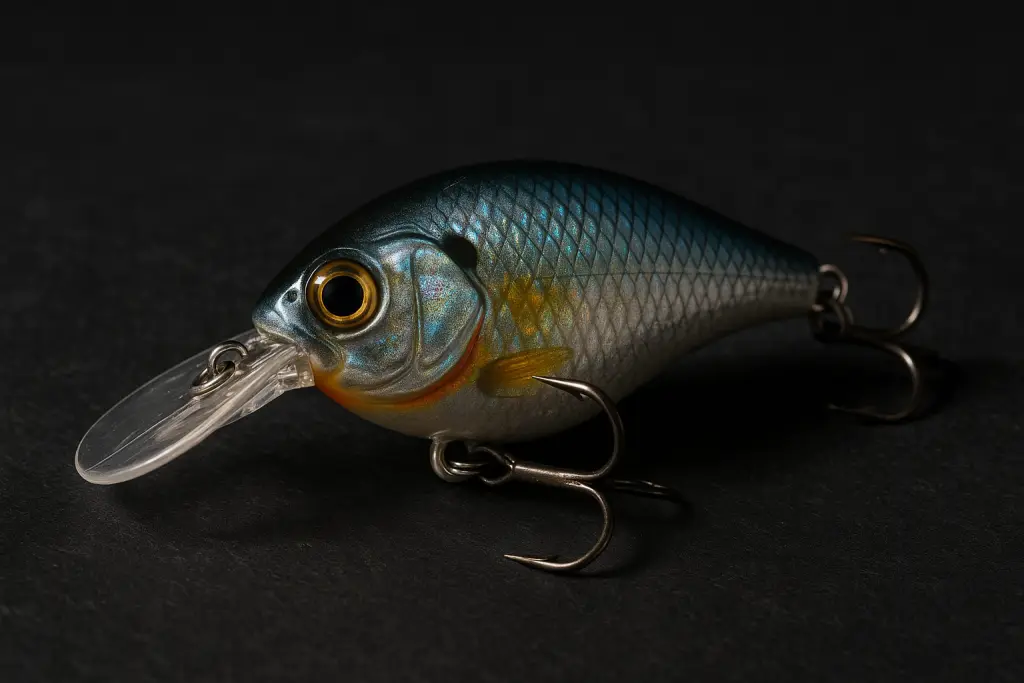
Crankbait
A hard plug shaped like a small fish with a diving lip. Built to cover water and find active fish.
★★★★★
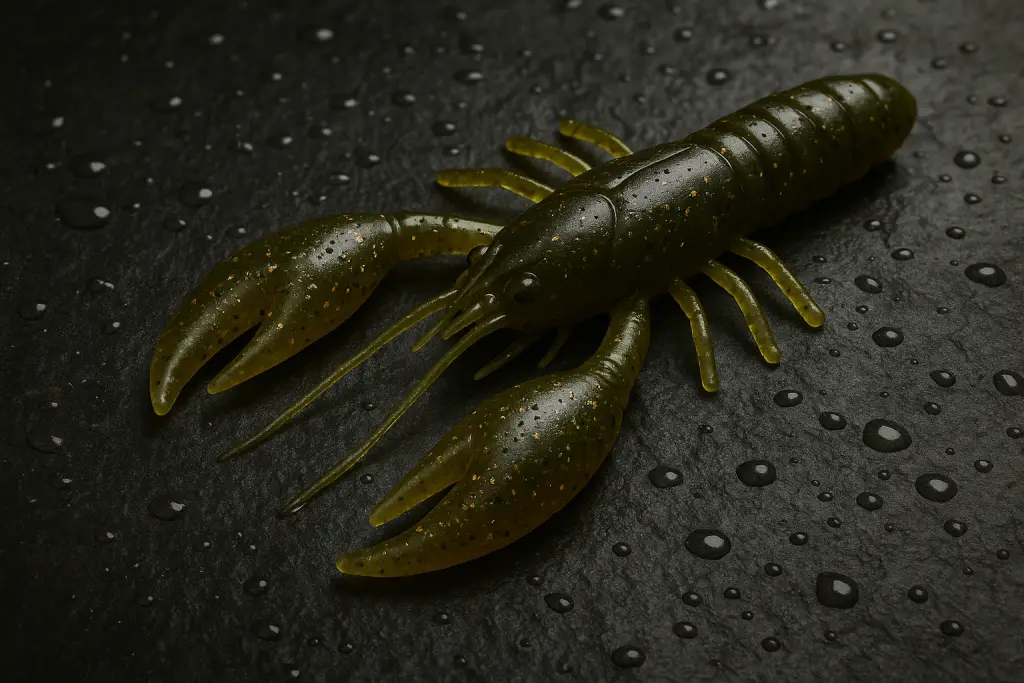
Craw bait
Perfectly mimics a crayfish to entice bass in clear or murky waters.
★★★★★
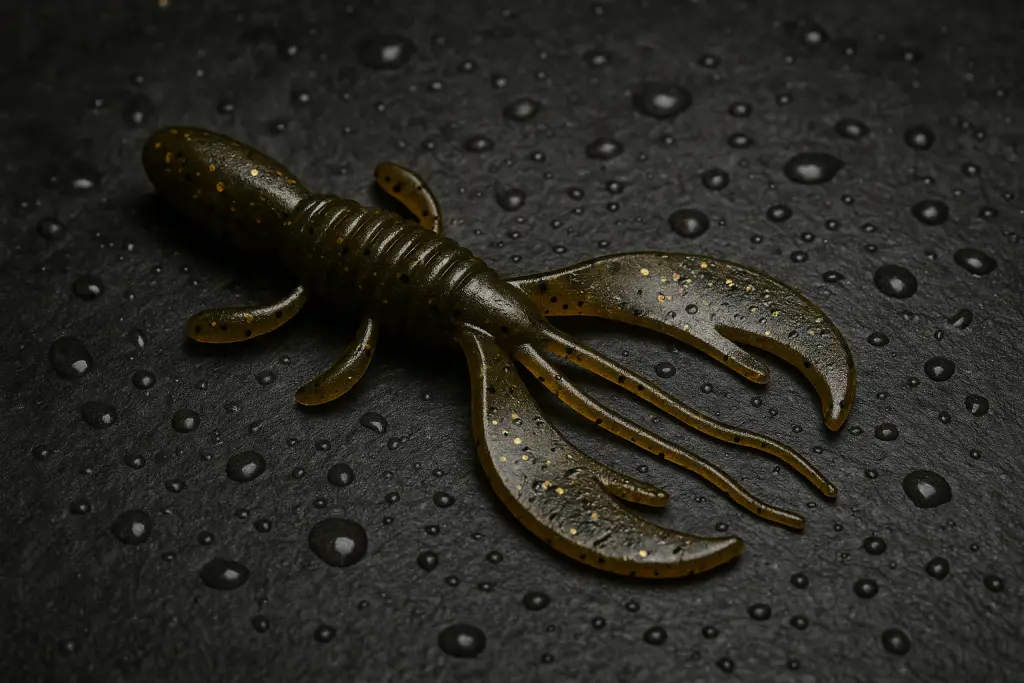
Creature bait
Mimics a natural prey for bass, perfect in cluttered or weedy waters.
★★★★
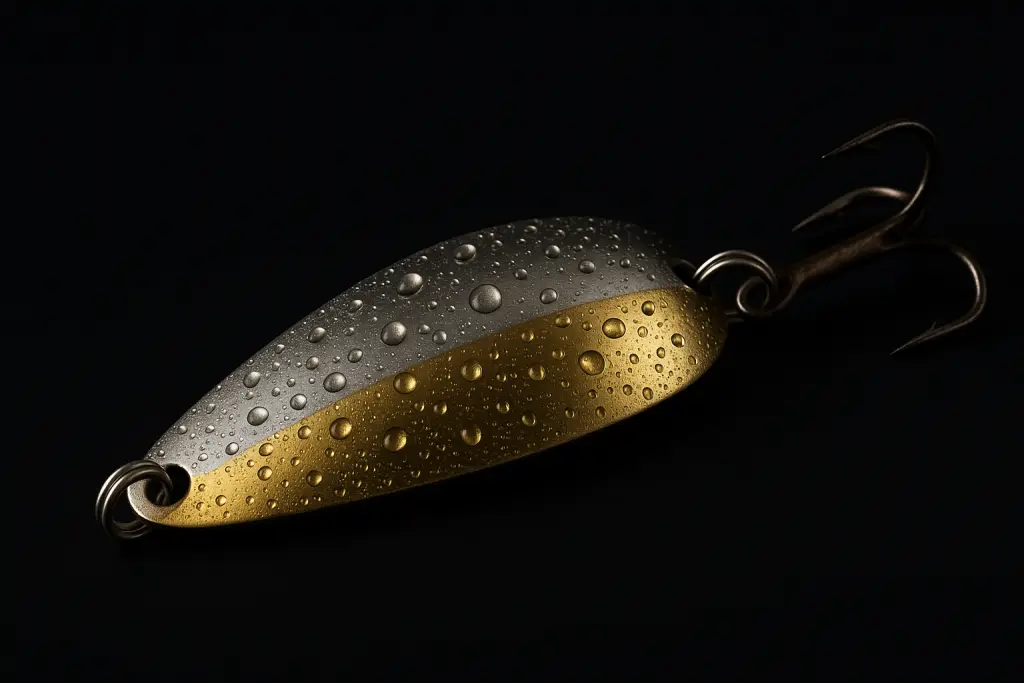
Wobbling spoon
A curved metal blade that flashes and undulates. Timeless classic for trout, char and pike.
★★★★★
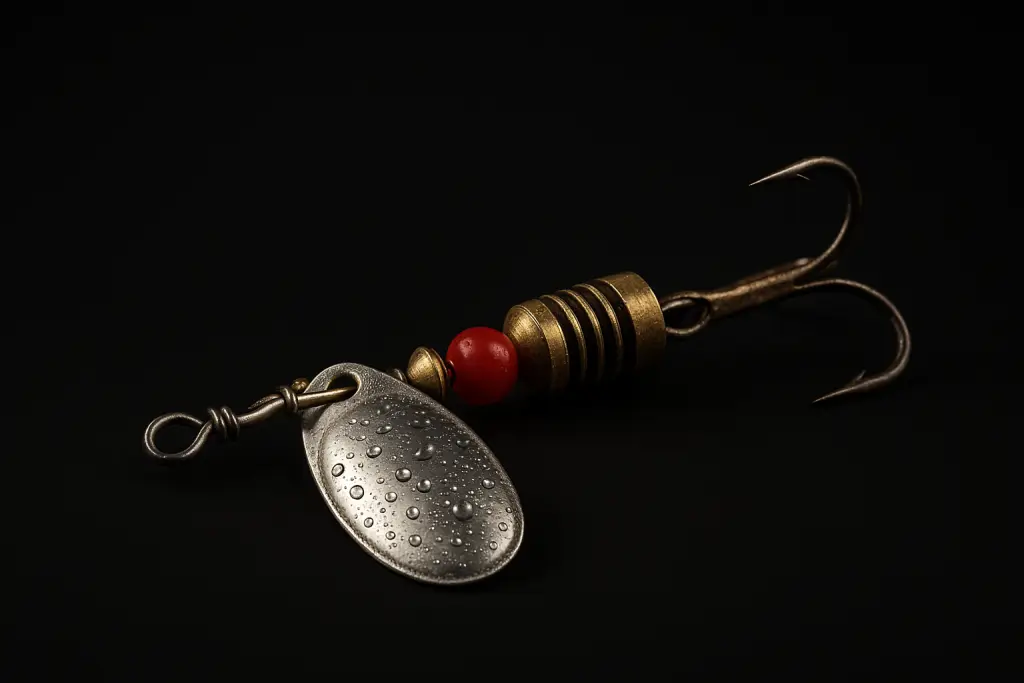
Cuillère tournante
Ideal for attracting trout and bass, this vibrating spoon shines in clear water.
★★★★★
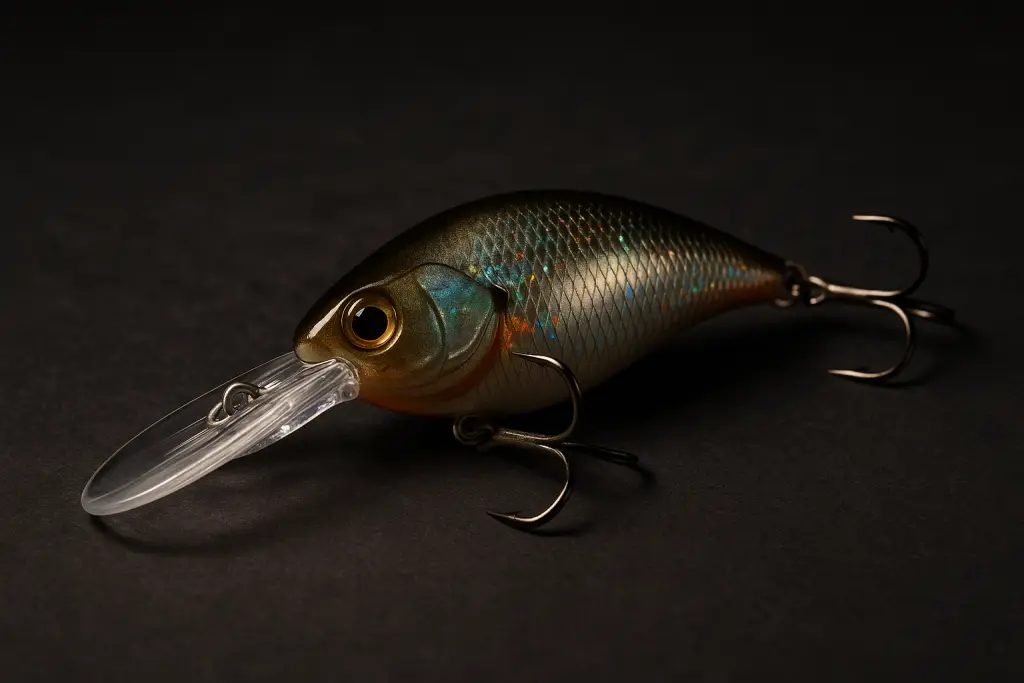
Deep crankbait
Long-bill crankbait diving 5-7 m — top walleye on structures.
★★★★
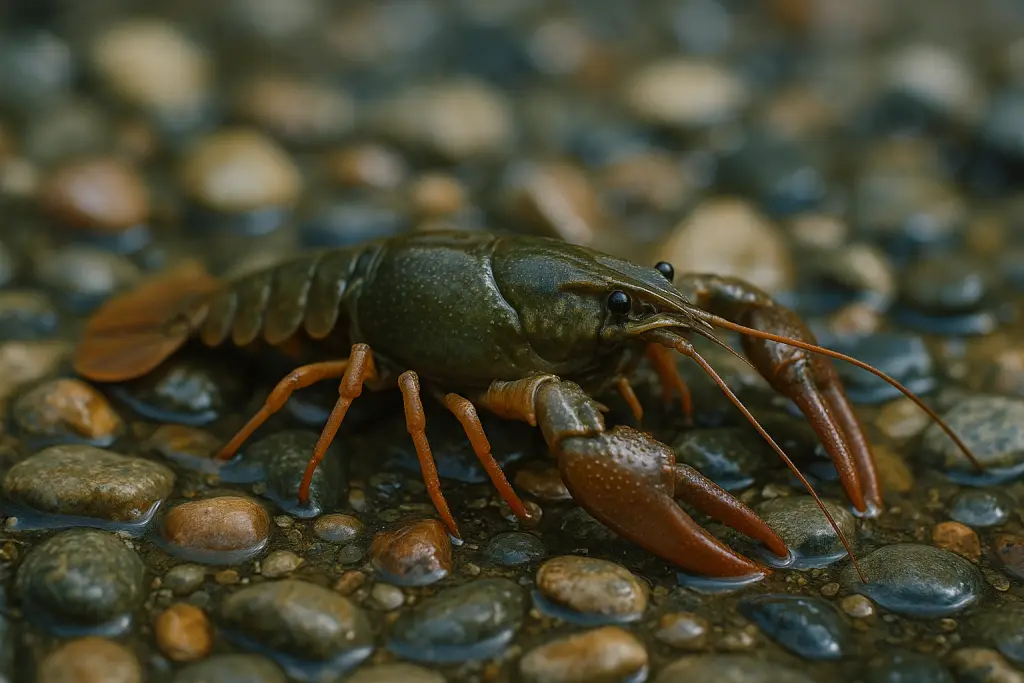
Écrevisse
Irresistible crayfish for bass, perfect in the clear, rocky waters of Quebec.
★★★★★
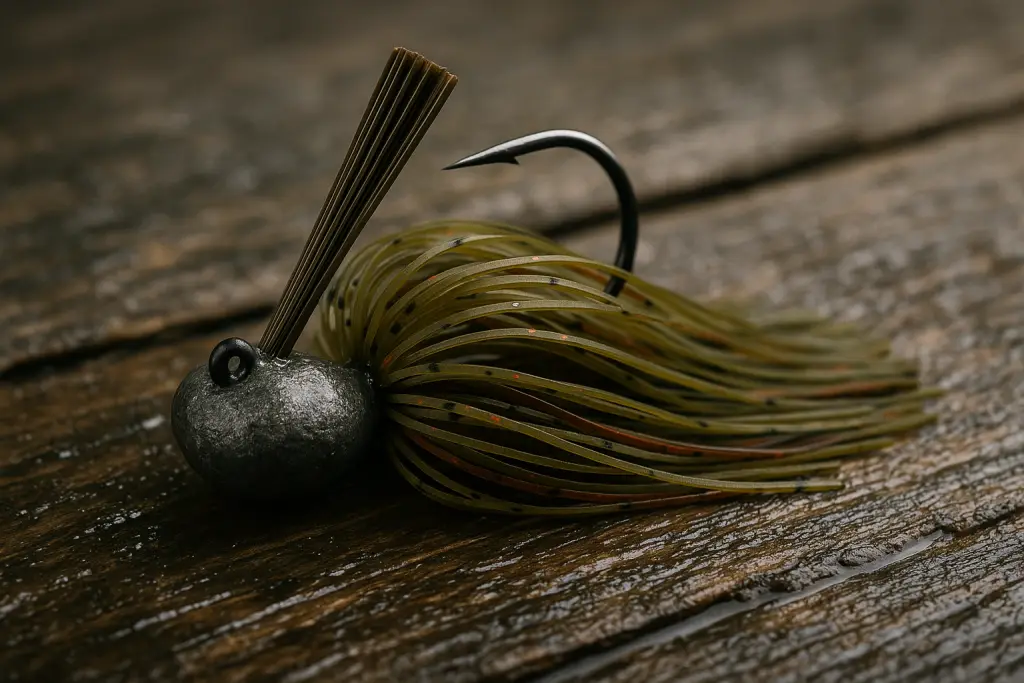
Finesse jig
Ideal for smallmouth bass, this finesse jig perfectly mimics a natural prey.
★★★★
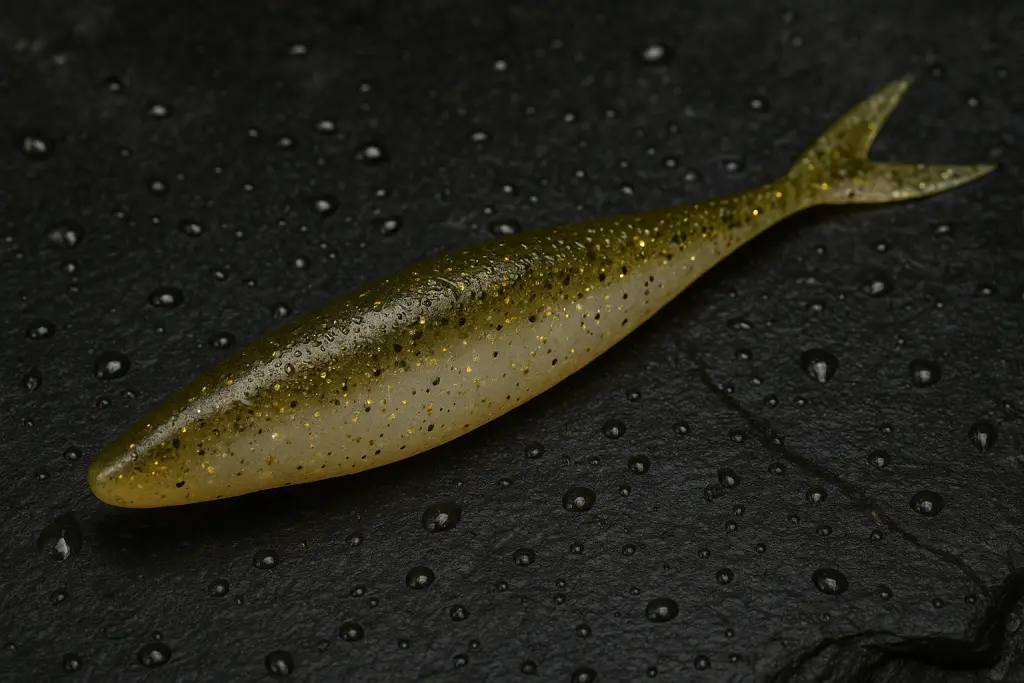
Fluke
Versatile soft lure for bass and pike, ideal in calm and clear water.
★★★★
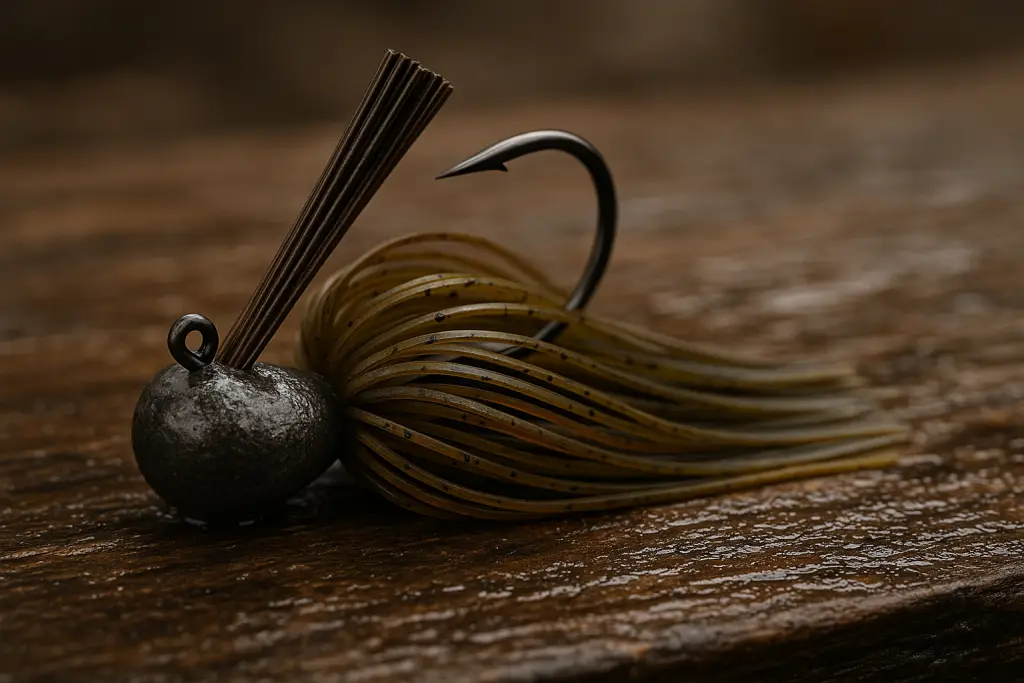
Football jig
Ideal for smallmouth bass, this football jig excels in rocky bottoms.
★★★★
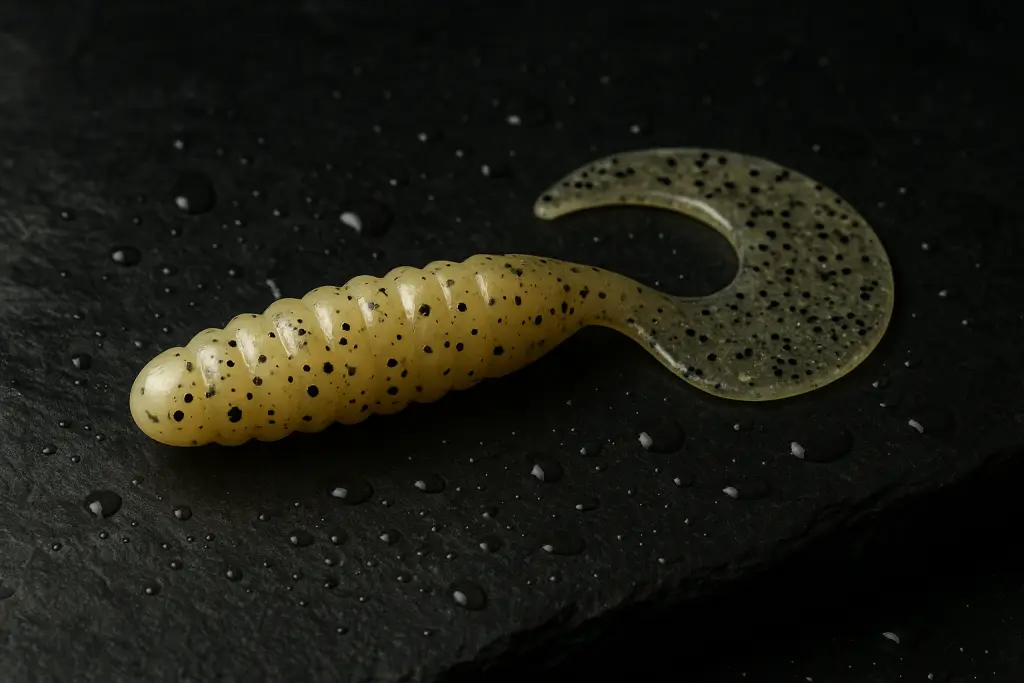
Grub
Irresistible soft grub for walleye, perch, and bass, perfect for clear or stained waters.
★★★★
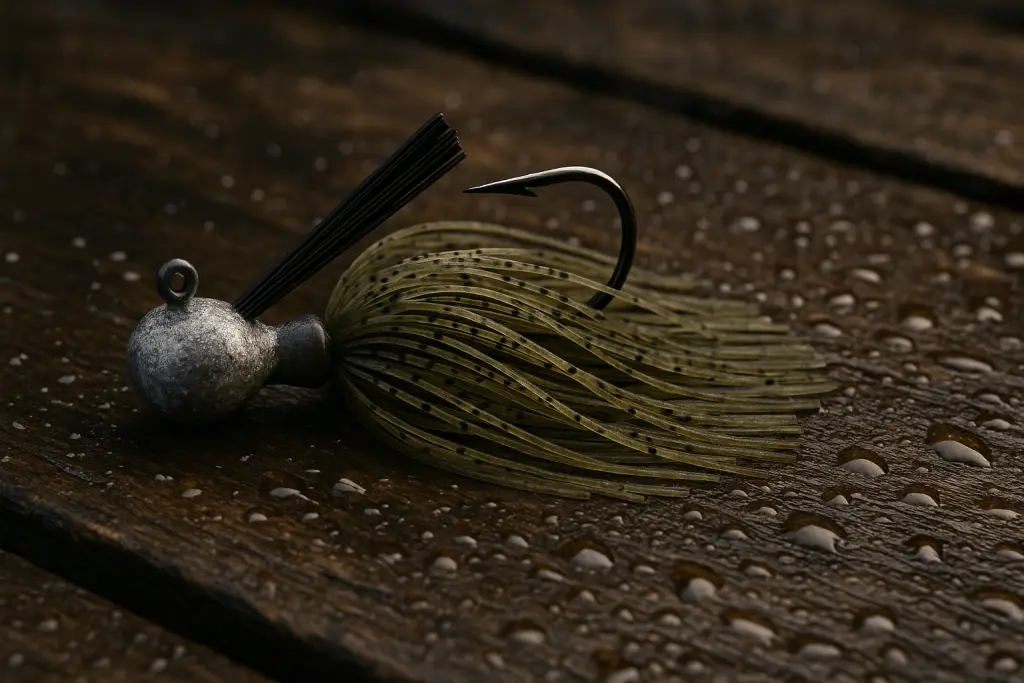
Hair jig
Ideal for bass and walleye, the hair jig attracts in clear waters.
★★★★
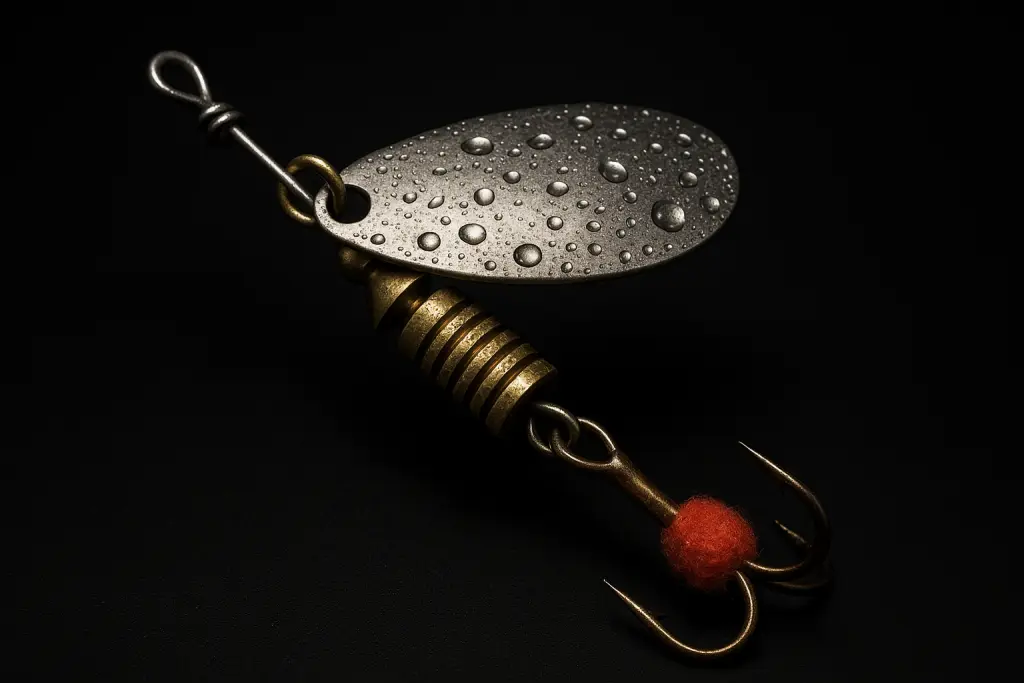
Inline spinner
Metal spinner that attracts trout and bass with its irresistible vibrations in clear waters.
★★★★
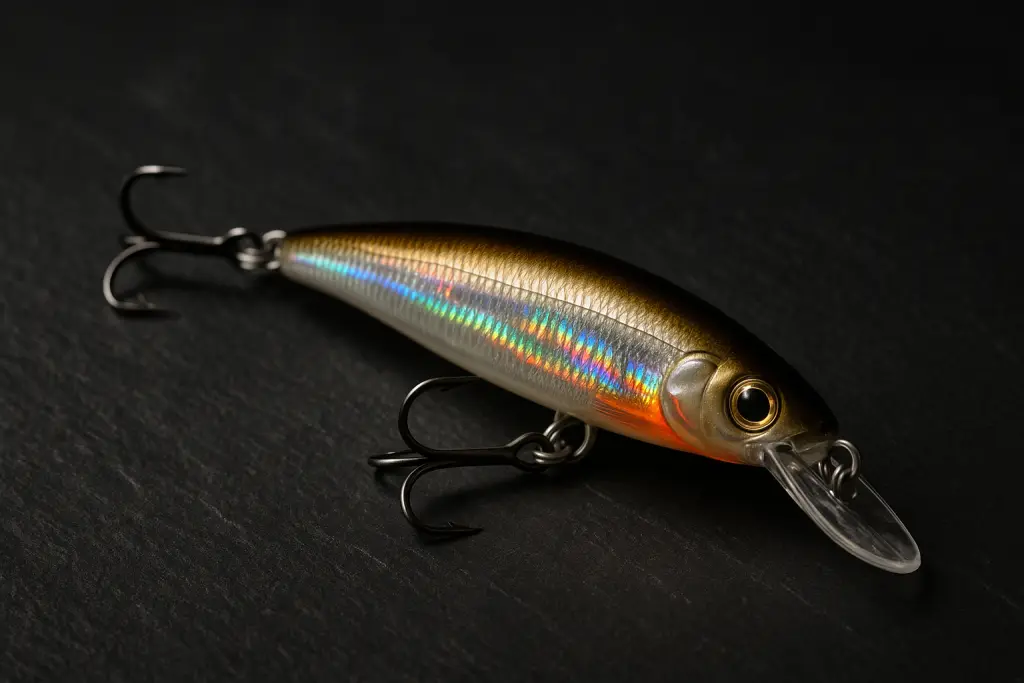
Jerkbait
Ideal for bass, pike, and walleye, this jerkbait excites predators in clear waters.
★★★★★
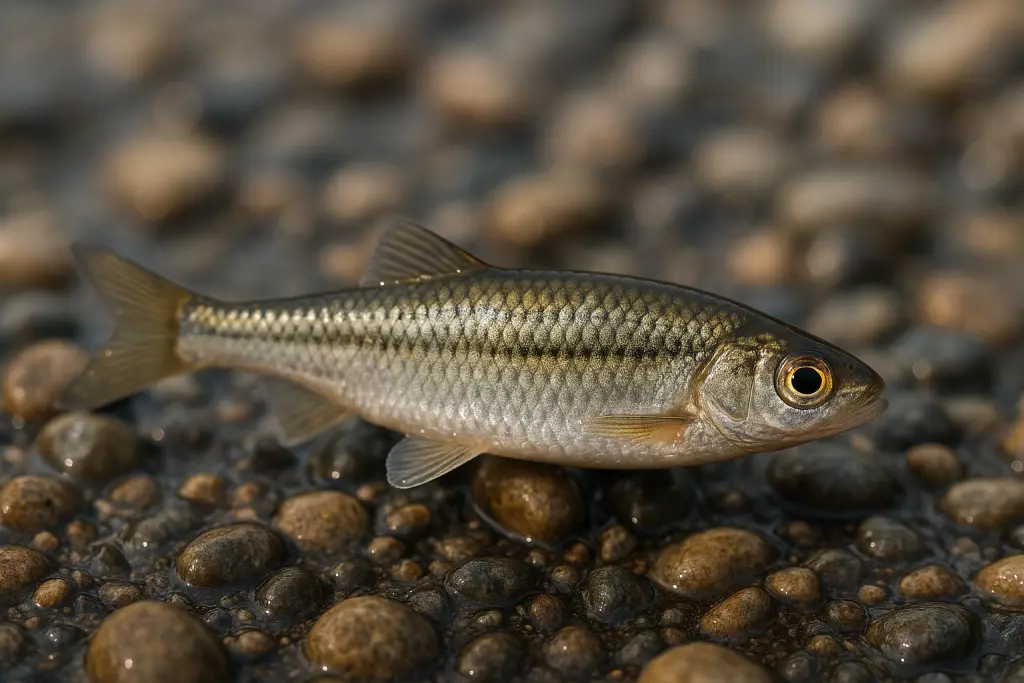
Méné vivant
Ideal for yellow perch and pike, live minnow attracts in still or murky waters.
★★★★★
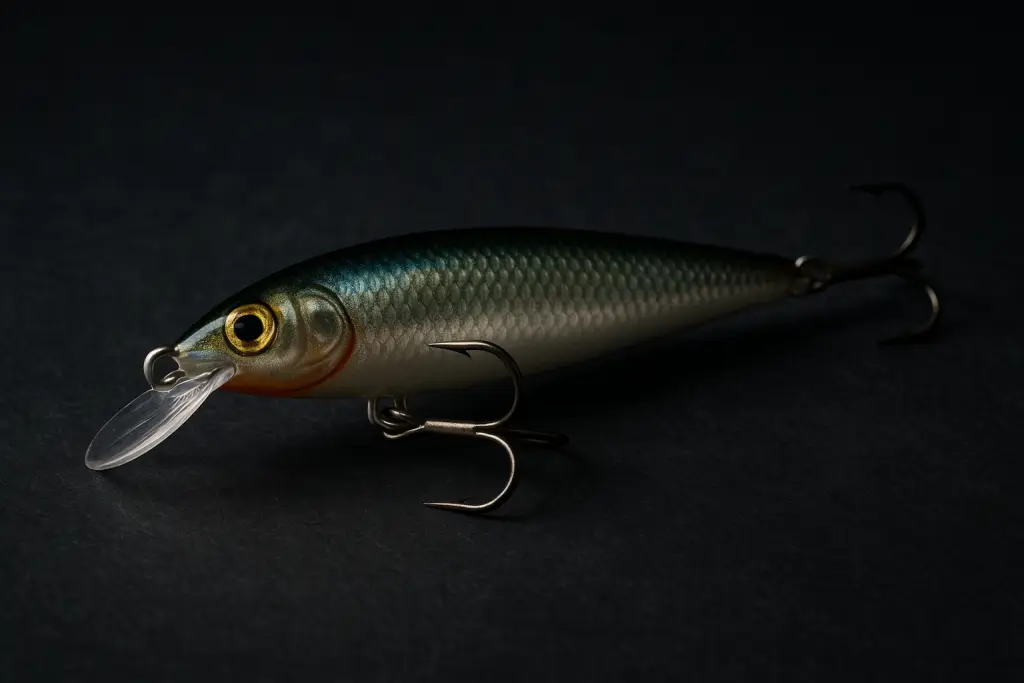
Minnow
The live baitfish that mimics everything predators eat. Essential for walleye, pike and bass.
★★★★
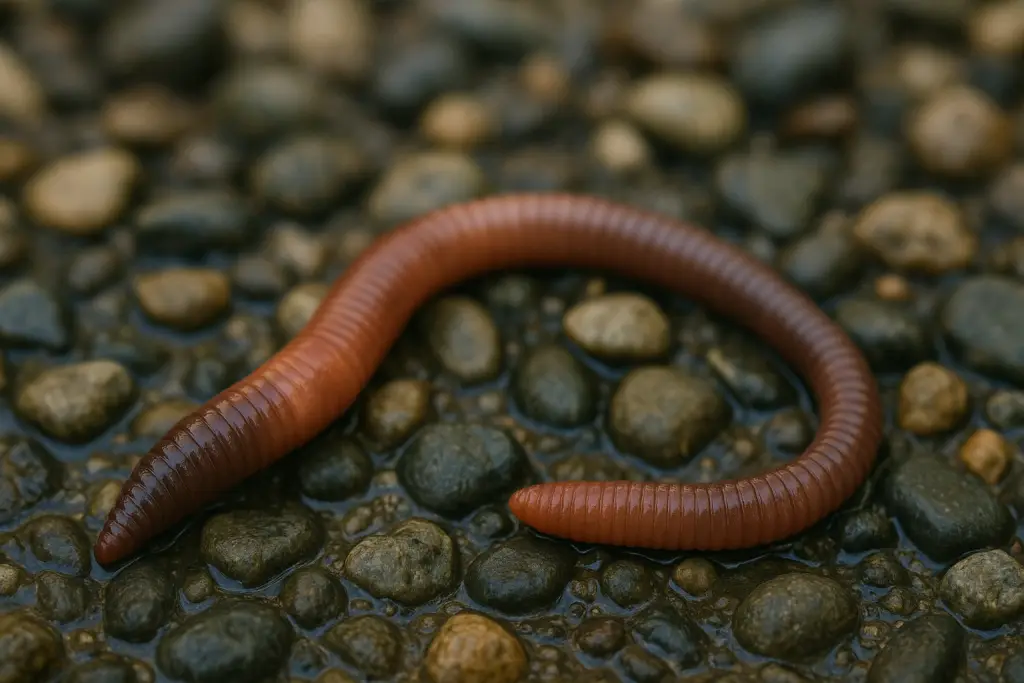
Nightcrawler
Live earthworms, perfect for enticing walleye, perch, and bass.
★★★★★
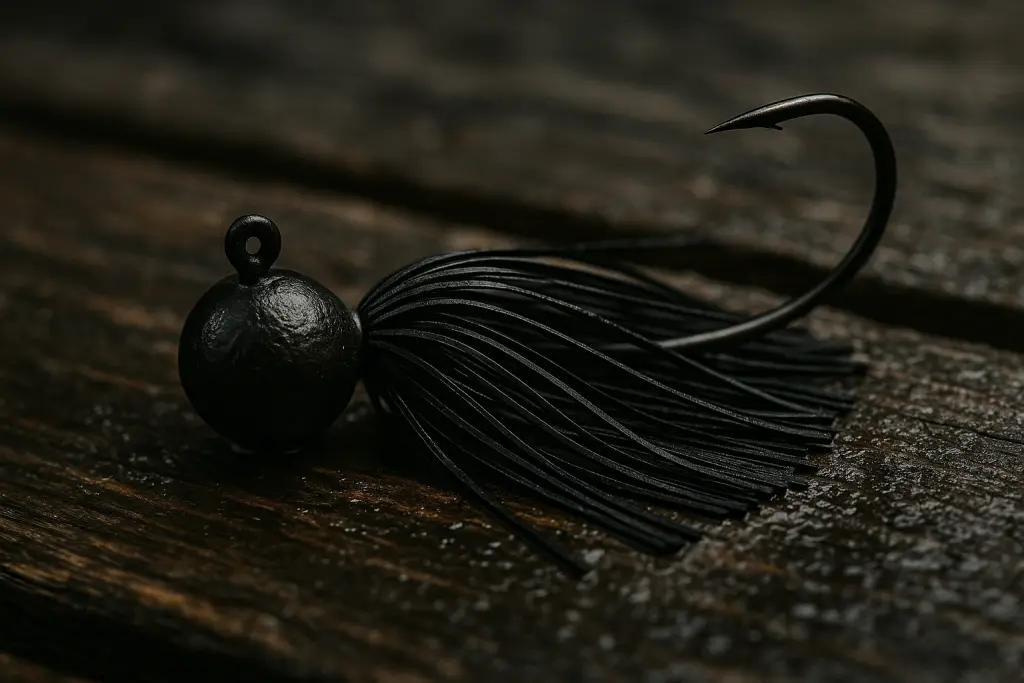
Round jig head
Round lead head + hook. Universal base for any soft plastic or live minnow combo.
★★★★★
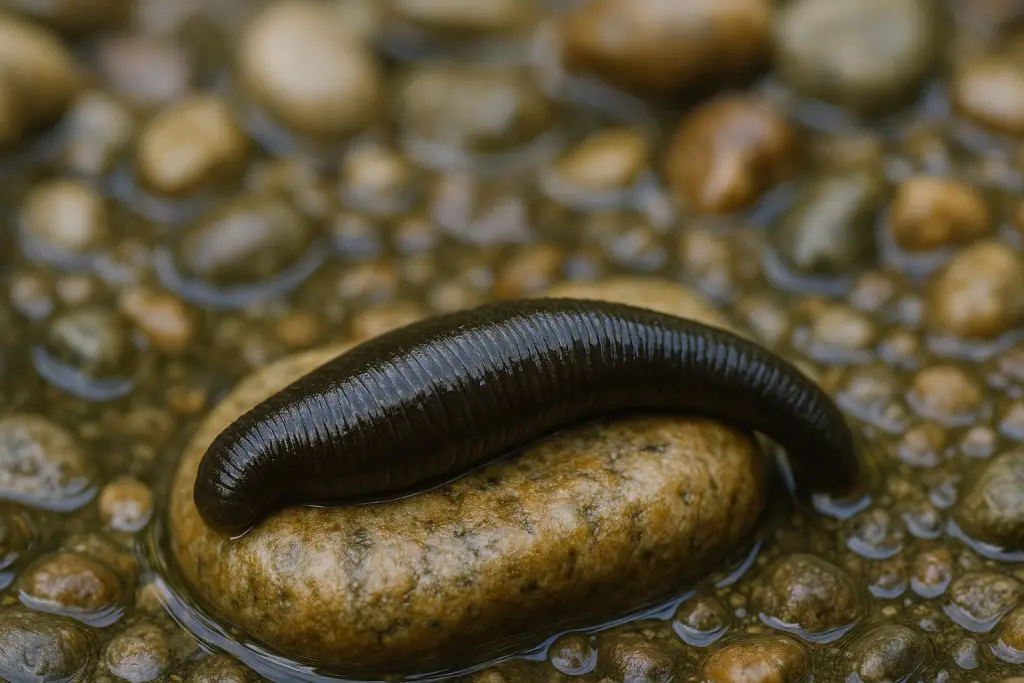
Sangsue
Perfect for yellow perch, bass, and pike, even in murky waters.
★★★★★
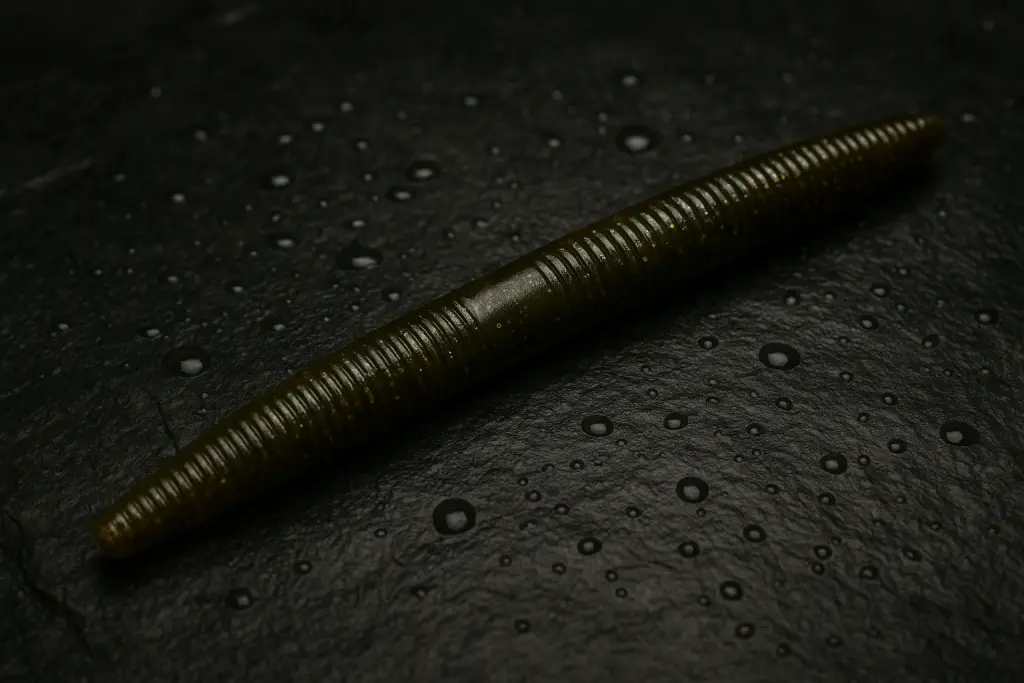
Senko
Mimics an irresistible earthworm for bass, perfect for calm, shallow waters.
★★★★★
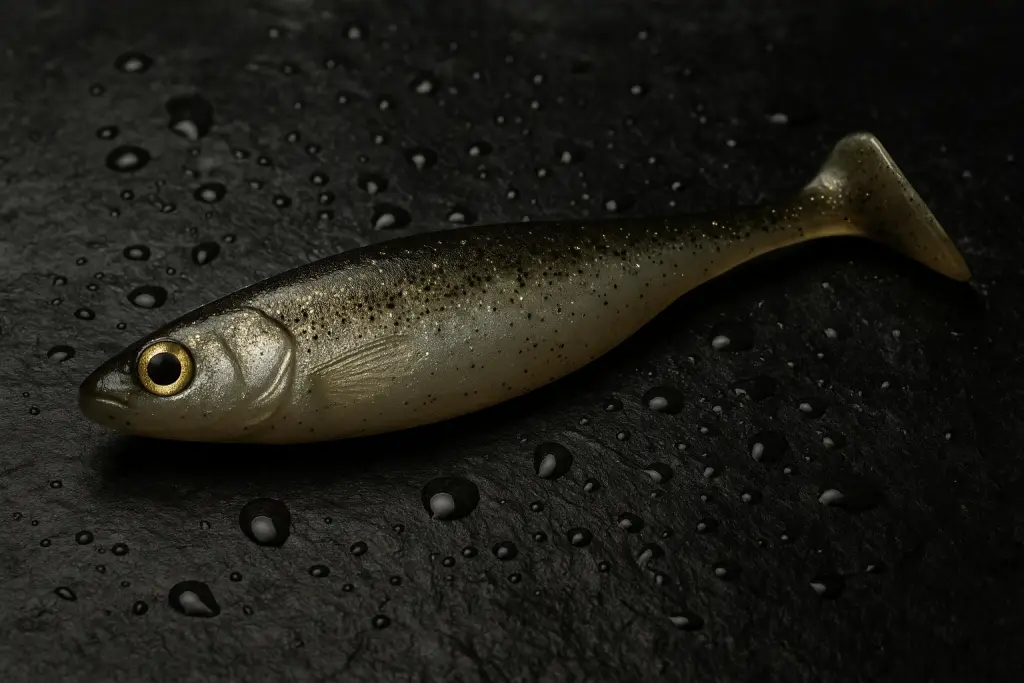
Shad
Soft lure mimicking a baitfish, ideal for walleye, pike, and bass in clear water.
★★★★★
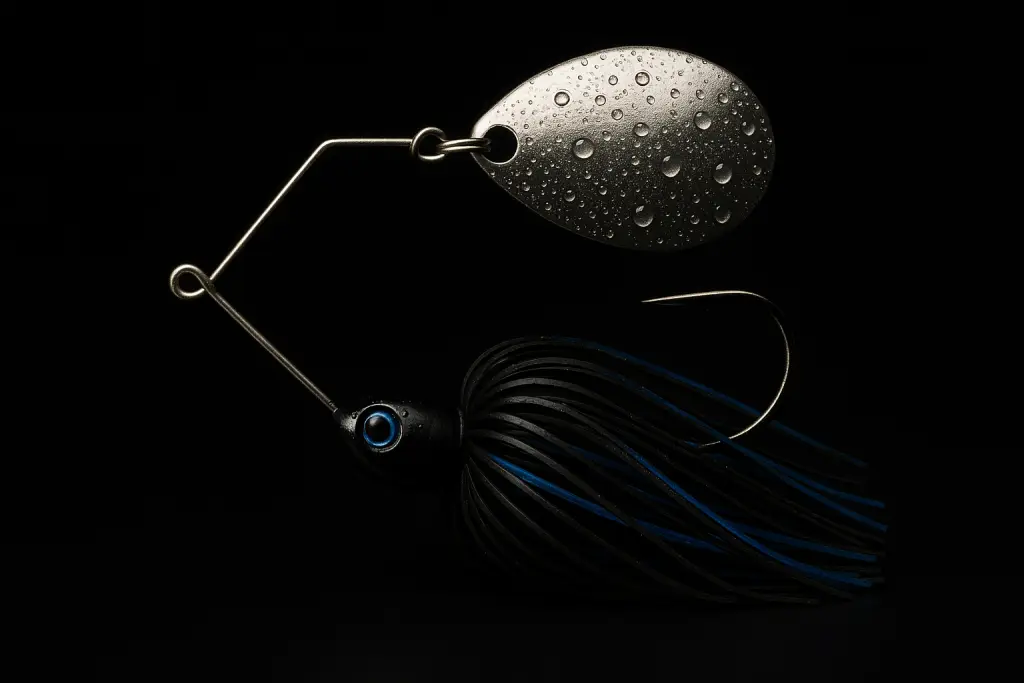
Spinnerbait
The go-to pike weapon. One or two flashing blades + a silicone skirt. A Quebec staple.
★★★★★
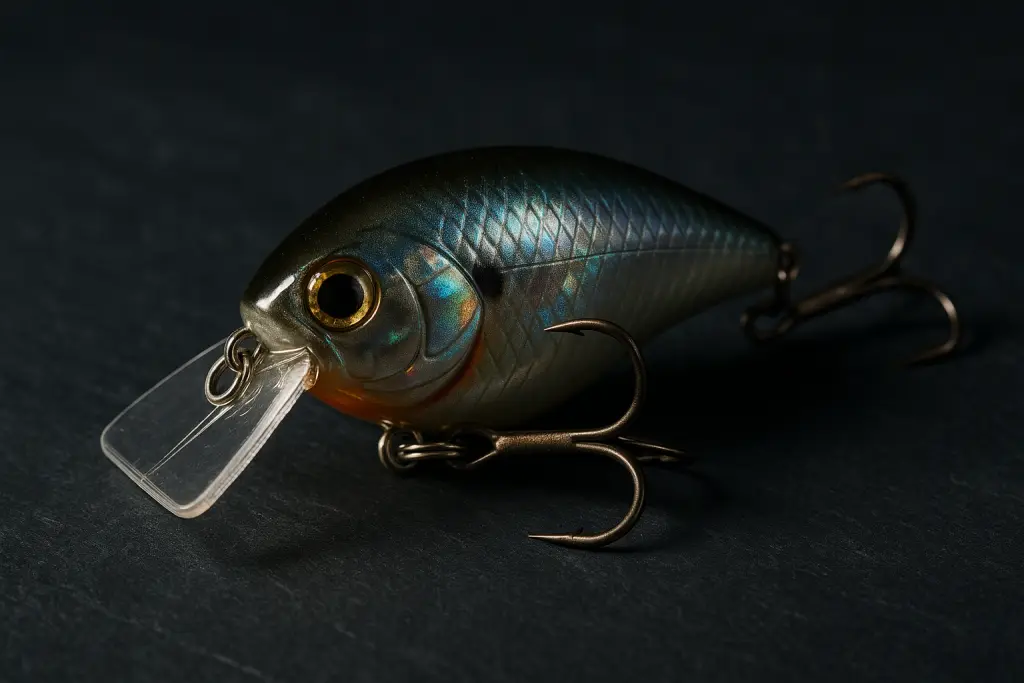
Squarebill
Square-bill crankbait — bounces off cover, top shallow water.
★★★★
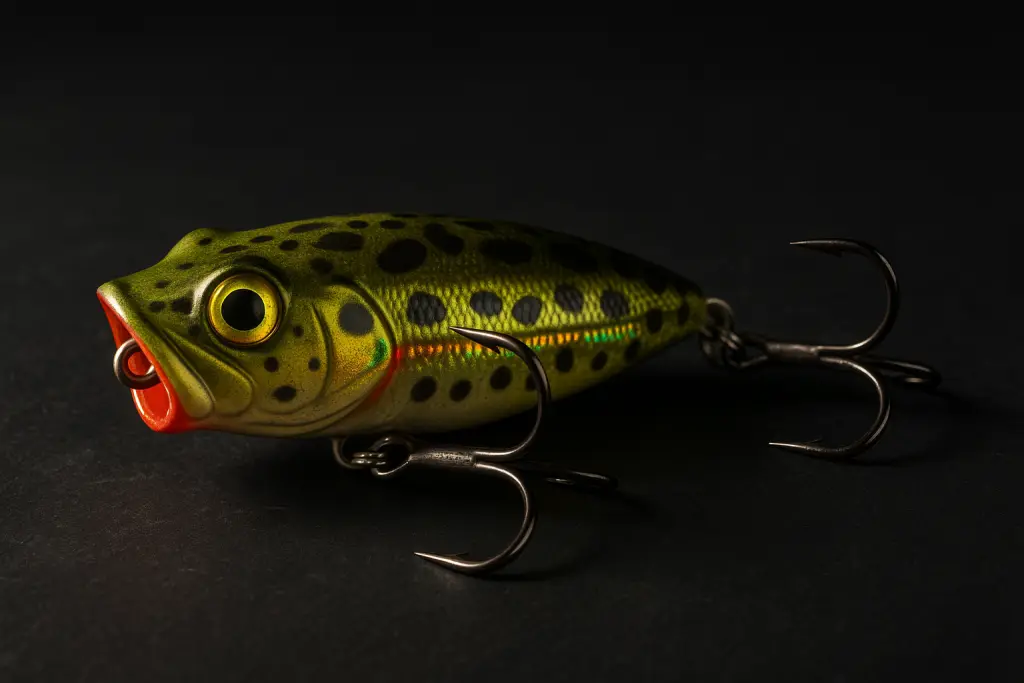
Topwater
The surface lure — the most spectacular strike in fishing. For bass and pike at dawn and dusk.
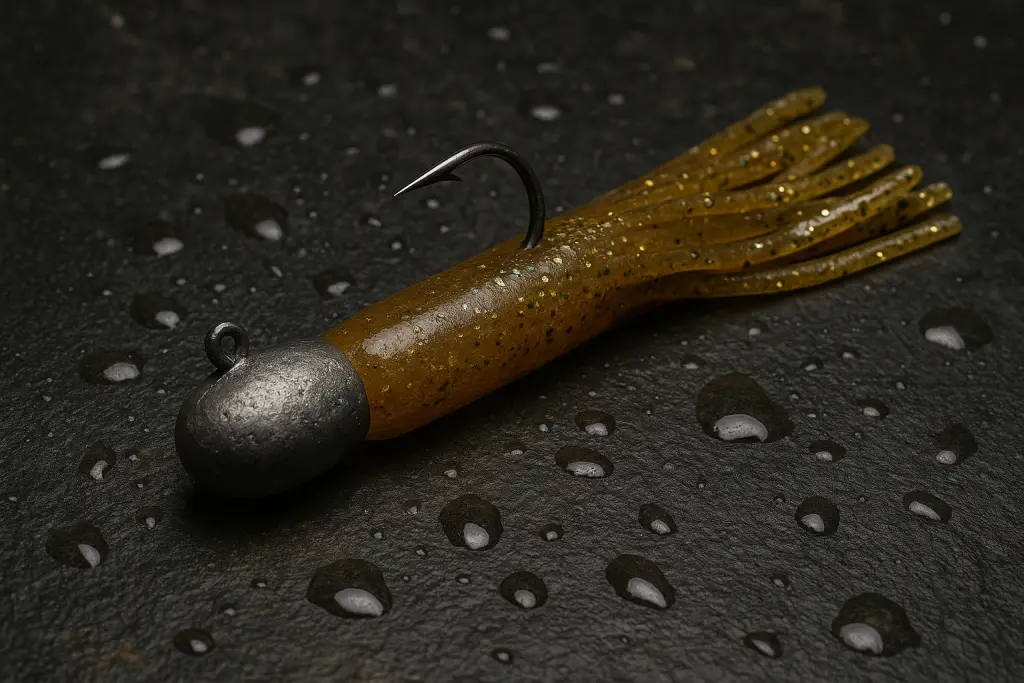
Tube jig
Soft tube jig, irresistible for bass and walleye in clear waters.
★★★★
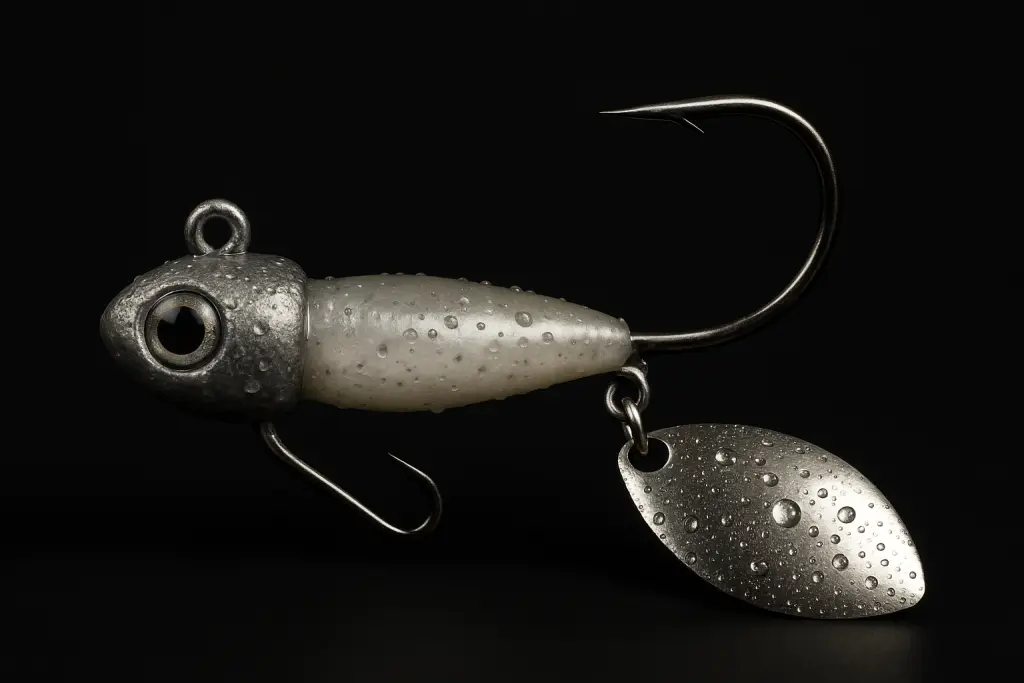
Underspin
Jighead with small blade under body — finesse in clear water.
★★★
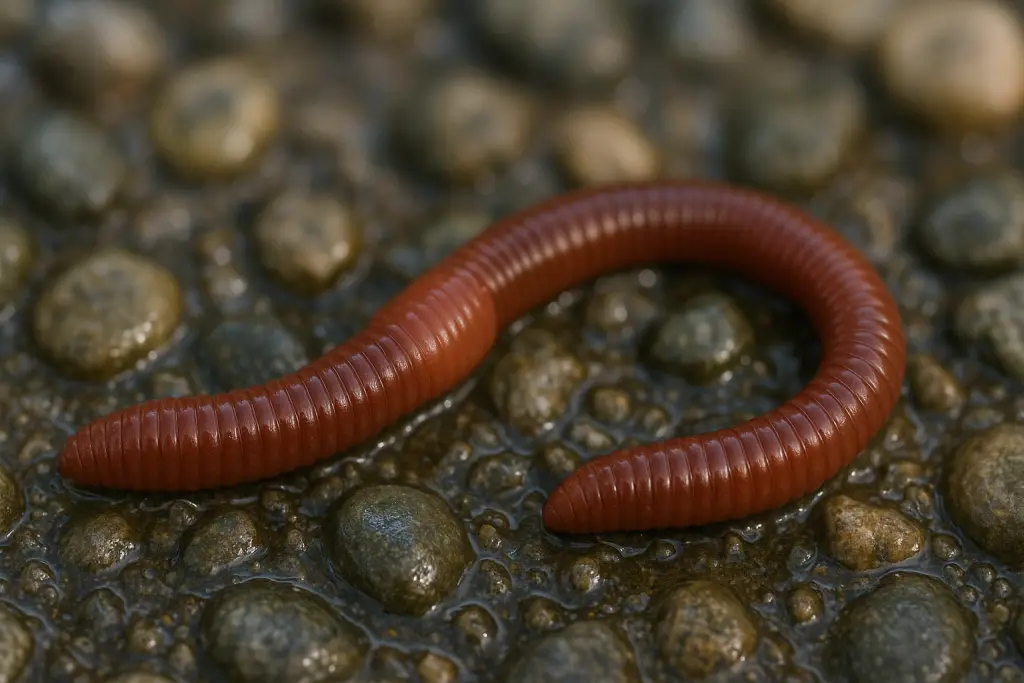
Earthworm
The most versatile natural bait. Almost every Quebec freshwater fish — trout, perch, bass, walleye, pike — eats it.
★★★★★
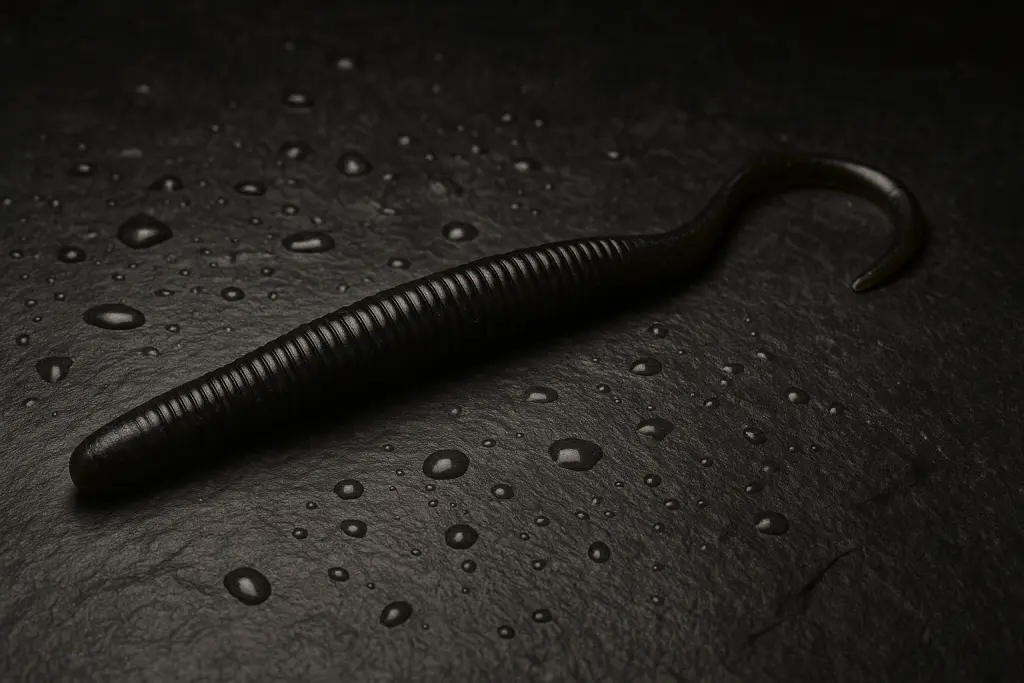
Soft worm
The soft-plastic worm — the cornerstone of bass finesse fishing. Senko, Trick Worm, Ribbon Tail.
★★★★★
Recommended gear
Recommended gear
For smallmouth bass fishing, a 6 to 7-foot rod with medium power and fast action is recommended. A light spinning or baitcasting reel with good line capacity is ideal. Use an 8 to 12 lb line, which offers a good balance between sensitivity and strength. Hook sizes 1 to 4 are appropriate, depending on the type of lure or bait used. A fluorocarbon leader can be useful in clear waters for its discretion.
Handling & release
Handling & release
Handling the smallmouth bass with care is essential to ensure its survival after release. Use a firm grip behind the head, avoiding touching the gills. If you want to take a photo, ensure the fish stays in the water as much as possible. For release, gently support the fish until it recovers and swims away on its own. Avoid releasing it in overly warm or poorly oxygenated waters.
Predators
Predators
In Quebec, predators of the smallmouth bass include other fish like the northern pike and muskellunge. Birds of prey, such as the osprey and heron, can also target young bass. Large bass have few predators, but fry and juveniles are more vulnerable.
Conservation & status
Conservation & status
The smallmouth bass is a well-managed species in Quebec, with size and bag limit regulations to ensure healthy populations. It is important to practice catch and release, especially for large specimens that contribute to reproduction. Anglers should be informed about local regulations that may vary by water body.
Surprising facts
Surprising facts
- ›The smallmouth bass is also called "smallmouth bass" in English.
- ›It is capable of jumping up to three feet out of the water to escape predators.
- ›Males guard the nest and eggs after spawning.
- ›Females can lay up to 20,000 eggs per season.
- ›It is sensitive to changes in water temperature.
- ›The smallmouth bass prefers rocky areas and structures.
- ›It is territorial during the spawning period.
- ›The smallmouth bass can live up to 12 years.
- ›It has a smaller jaw than that of the largemouth bass.
- ›It is a very reactive fish to well-animated lures.
- ›It is considered one of the best sport fish.
- ›The introduction of the smallmouth bass into new habitats can affect native species.
- ›It is frequently prized in sport fishing competitions.
- ›Crayfish make up an important part of its diet.
Frequently asked questions
Frequently asked questions
What is the best time of day to fish for smallmouth bass?+
What is the difference between the smallmouth bass and the largemouth bass?+
What is the average size of a smallmouth bass?+
What types of lures are most effective for smallmouth bass?+
Where is the smallmouth bass found in Quebec?+
Can you fish for smallmouth bass in winter?+
How do you properly handle a smallmouth bass?+
What is the weight record for smallmouth bass in Quebec?+
Why is the smallmouth bass popular among sport anglers?+
What is the lifespan of a smallmouth bass?+
What is the best technique for fishing smallmouth bass in summer?+
What are the natural predators of the smallmouth bass?+
What is the best type of line for fishing smallmouth bass?+
Is the smallmouth bass sensitive to fishing pressure?+
Is it possible to keep caught smallmouth bass?+
What is the best lure color for smallmouth bass in murky water?+
Member catches
No catches yet for this species. Be the first!
Have you caught largemouth bass?
Share your photo with fellow anglers — show off your catch!
Be the first to share your catch of this species.
Our picks
Gear for Largemouth Bass

Penn Wrath II 4000
Experience a fishing reel that combines lightweight design with outstanding durability, tailored for sea fishing enth…
61.28 $

FishPro 126P
Discover a comprehensive fishing lure kit designed to meet the needs of anglers of all levels. Whether you are a begi…
19.99 $

Reaction Tackle Blue Camo
Experience unparalleled fishing with Reaction Tackle's blue camo braided fishing line. Designed for serious anglers,…
20.09 $