Pêcheur Québec
Published on September 20, 20264 min read
Gear, choosing flies, species, techniques, where to go and regulations: everything you need to start fly fishing in Quebec without overspending or giving up.
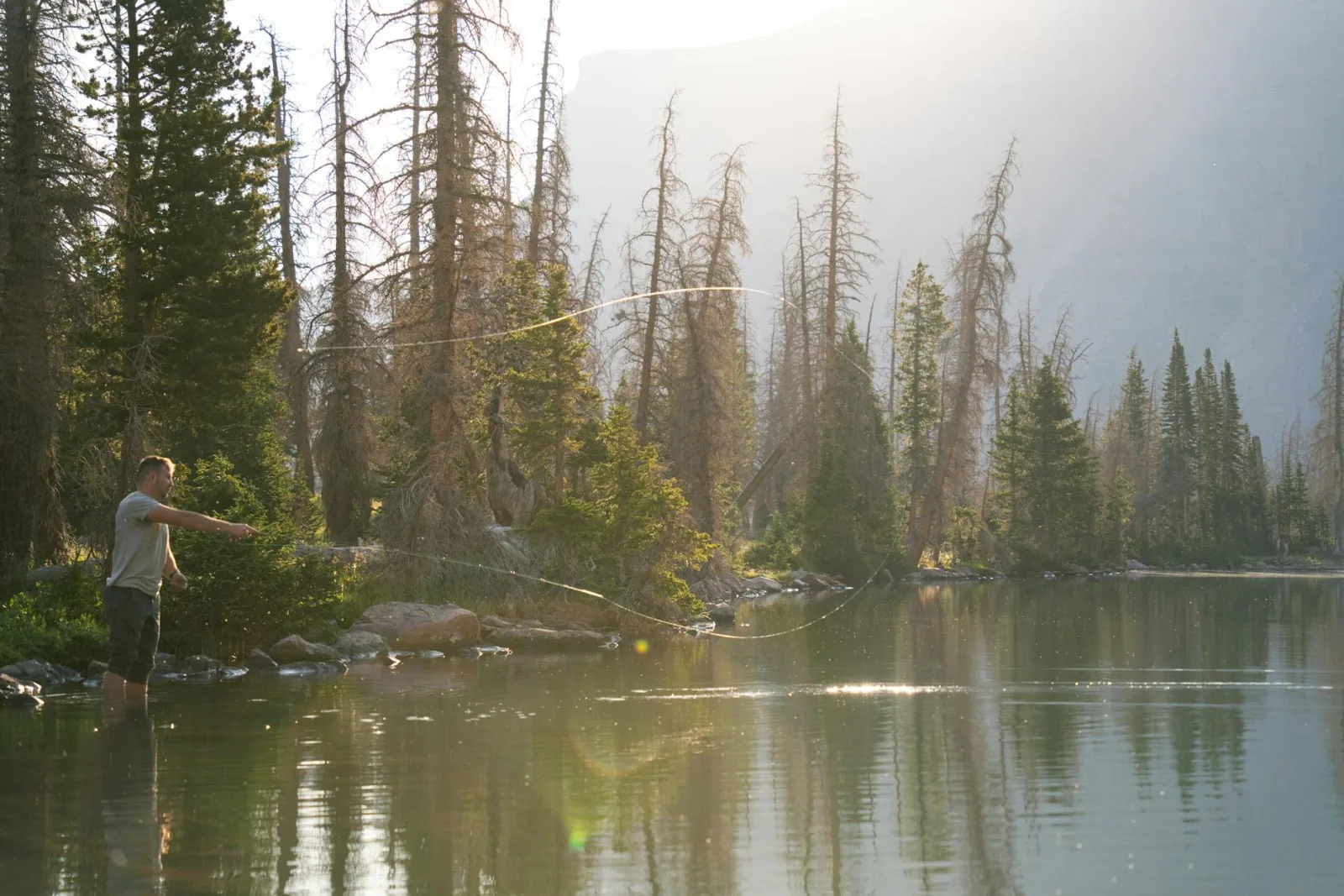
Fly fishing is more intimidating than it should be. People picture an impossible cast, ruinous gear and incomprehensible boxes of flies. The reality is simpler: a 5-weight outfit, a dozen well-chosen patterns, two knots, and you will catch brook trout on your first outing.
Here is what to buy, what to tie on, where to fish it in Quebec, and in what order to learn.
Key takeaway — In fly fishing, you are not casting the lure, you are casting the line. Everything else follows from that. Start with a 9-foot 5-weight outfit: it covers brook trout, bass and even a small pike.
Gear for a beginner
Five pieces, and nothing else at the start.
The rod. A 9-foot, 5-weight, medium-fast action. The universal standard for trout in rivers and lakes alike. Shorter (7-8 ft) for tight small streams, heavier (7-8 weight) for pike and salmon.
The reel. Mostly a counterweight and a line store. A decent drag is enough for trout; it becomes critical for Atlantic salmon, which empties a spool in seconds.
The line. This is what carries the cast. A floating WF5F line covers 90% of freshwater situations. Sinking lines come later, for summer lake work.
The leader. A 9-foot tapered leader in 4X or 5X, extended with tippet you replace as it shortens. This is the wear part: buy several.
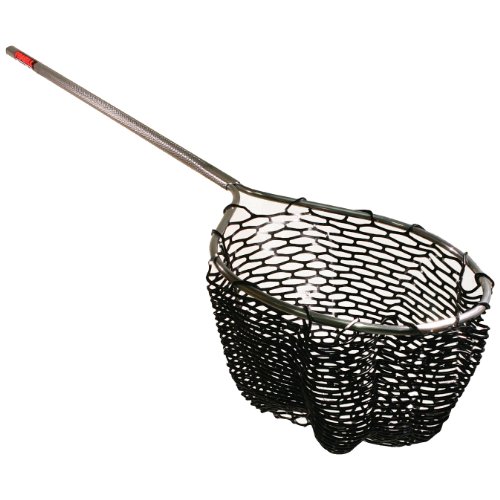
The rest. Forceps, nippers, dry-fly floatant, a few split shot, and a fine-mesh net if you release.
Budget $250 to $400 for a rod, reel and line that will last years. Our buyer's guides cover entry-level models.
Choosing flies: four families, not fifty
Flies fall into four categories. Understanding which to use beats owning three hundred.
Dry flies float on the surface and imitate the adult insect. The most spectacular fishing: you see the take. Must-haves: Adams, Elk Hair Caddis, Royal Wulff.
Nymphs drift below the surface and imitate the larva. These catch by far the most fish — most of a trout's diet happens underwater. Patterns: Pheasant Tail, Hare's Ear, Prince Nymph, beadhead.
Streamers imitate a baitfish and are stripped back in pulls. Deadly on big trout, bass and pike. Patterns: Woolly Bugger (black and olive), Muddler Minnow.
Salmon flies are their own category, larger and often colourful, tied for Atlantic salmon in rivers.
For a first box: six nymphs, four dries, two streamers, sizes 12 to 16 for trout.
Which species to target on the fly in Quebec
Brook trout — the beginner's species on the fly. Small lakes, streams and rivers everywhere in Quebec. Nymph or dry, size 12-16.
Brown and rainbow trout — warier, bigger, in rivers. Brown trout is the real test.
Atlantic salmon — the premier discipline, on the rivers of the Gaspé, the Côte-Nord and the Bas-Saint-Laurent. Separate regulations, a specific licence, often limited entry.
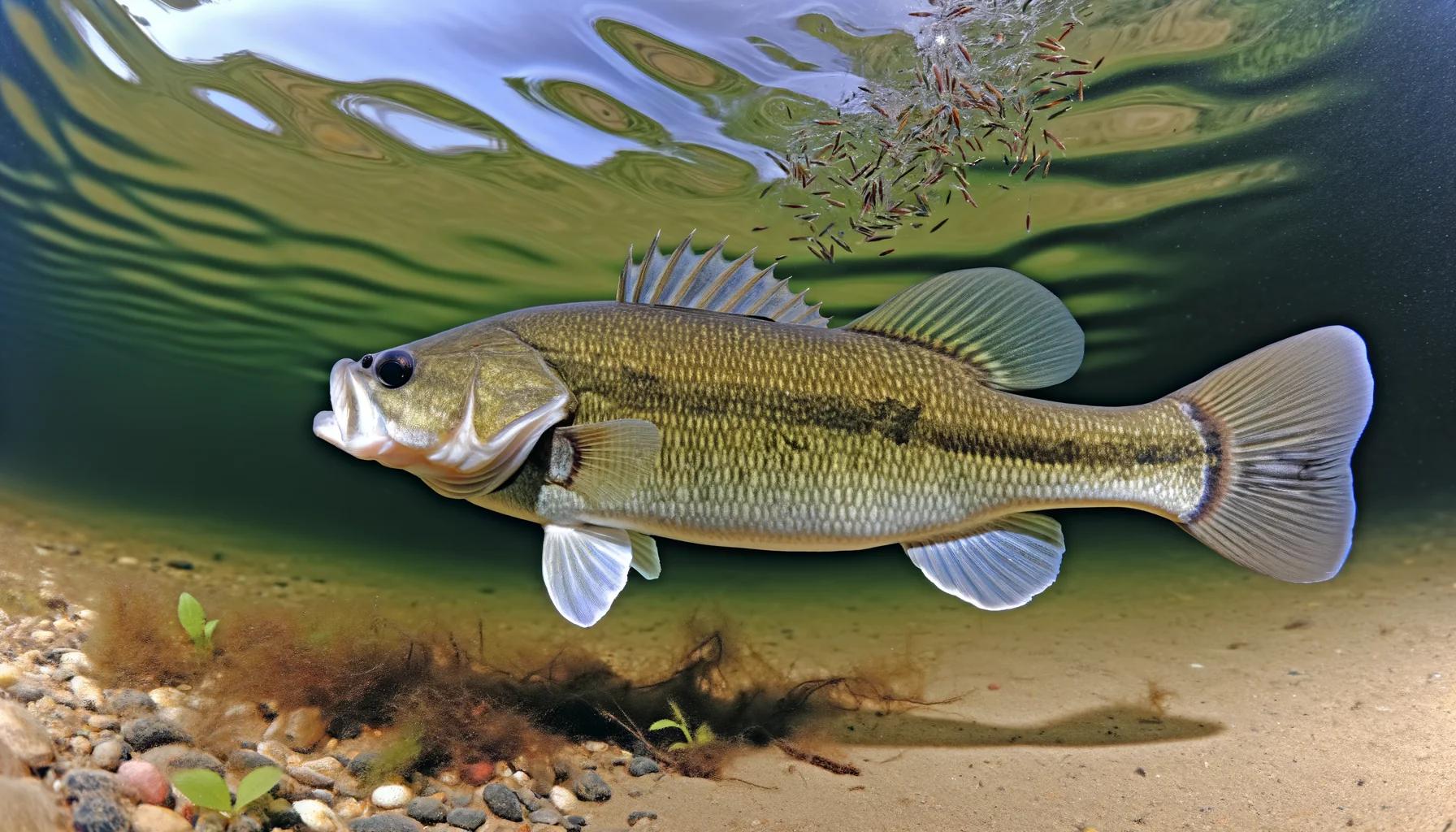
Smallmouth bass — underrated on the fly and enormously fun. Streamer or popper over rocky bottoms in summer.
Northern pike — an 8-weight, a strong leader and big streamers, in the weeds.
Species pages, with habitat and season, are in our species catalogue.
The three techniques to learn, in order
1. Tight-line nymphing. Cast upstream, drift with the current keeping contact, set on the slightest hesitation. It catches the most fish and is the easiest to learn. Start here.
2. The drag-free dry. Put the fly above the fish and let it drift without drag — that is the whole game. One unnatural movement and the trout refuses.
3. The streamer. Cast to the bank or across, strip back in irregular pulls. No finesse required, and it selects for big fish.
The cast itself is learned dry, on grass, with no fly on the end. Twenty minutes of false casting beats a day of tangles on the water.
Where to fly fish in Quebec
Quebec is exceptional ground, provided you pick the right water.
Trout rivers — the foundation. Everywhere, from the Laurentians to the Gaspé. Look for pools behind boulders and current seams.
Small brook trout lakes — the wildlife reserves of Mauricie and Capitale-Nationale limit their lakes to one group per day. The most reliable way to start, boat included.
Salmon rivers — Matane, Matapédia, Bonaventure, Sainte-Anne, Moisie. Reservations, quotas, often a draw. Our Atlantic salmon guide covers access.
Zecs — open access for a daily fee, with far less pressure than roadside public lakes.
To find a specific sector, filter by species on the interactive map: each page lists reported species and access type.
Regulations: what changes on the fly
Fly fishing has no separate general rules — but some sectors require artificial fly only, single hooks, or barbless hooks. Others are mandatory catch-and-release.
Atlantic salmon is the special case: a specific licence, rivers managed individually, with quotas and seasons set river by river.
As always: dates, limits and sizes depend on the zone and sometimes the water body. Open your zone's regulations before you go, and buy your fishing licence online.
Where to actually start
- Buy a 9-foot 5-weight outfit, rigged and ready.
- Build a box of twelve flies: six nymphs, four dries, two streamers.
- Learn two knots: leader-to-line and fly-to-tippet.
- Spend twenty minutes on grass casting without a fly.
- Go to a small stocked brook trout lake for your first outing — the highest success rate there is.
- Move to rivers once the cast is solid.
If you are new to fishing altogether, our beginner's guide covers the basics common to every technique.
?Frequently asked questions
What gear do you need to start fly fishing?
What is a 5-weight line?
Which flies should a beginner buy?
Which technique should you learn first?
What can you catch on the fly in Quebec?
Where should a beginner fly fish in Quebec?
Do you need a special licence to fly fish?
How long does it take to learn to cast?
Buyer’s guides